Our Blog

Blog
For Best News & Partner

Our Logistic News & Partner

[nextend_social_login provider="google"]
Maria Tineo

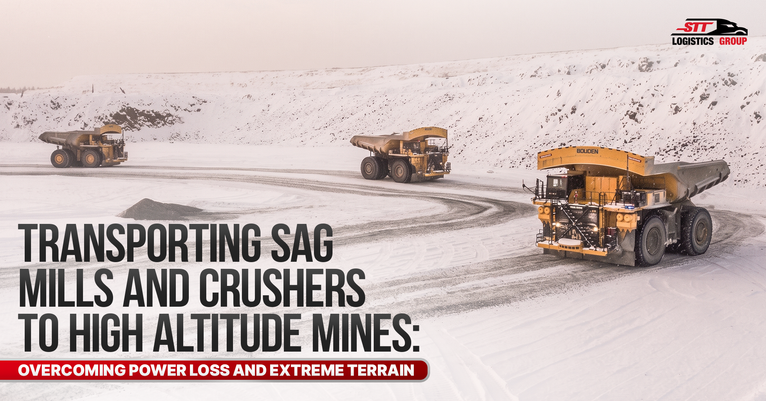
Transporting SAG Mills and Crushers to High Altitude Mines: Overcoming Power Loss and Extreme Terrain

Heavy mining operations require massive equipment, but transporting SAG mills and crushers to high altitude mines is one of the most complex challenges in modern logistics. Mine sites located high in the mountains demand precision planning, specialized heavy-haul configurations, and advanced engineering solutions. When logistics teams fail to account for steep gradients, narrow gravel roads, and atmospheric conditions, severe delays and safety risks inevitably occur. The Physical Constraints of High-Altitude Logistics Navigating narrow, unpaved mountain passes requires extraordinary maneuvering skills. Logistics operators often transport components
Read More »
Maria Tineo

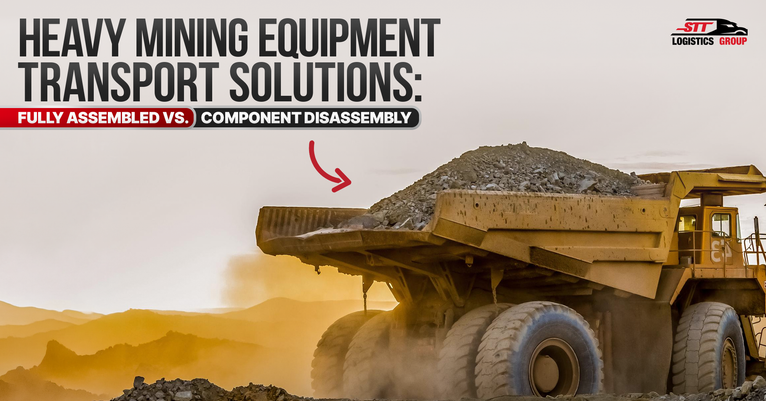
Heavy Mining Equipment Transport Solutions: Fully Assembled vs. Component Disassembly

Transporting massive hydraulic shovels and haul trucks presents one of the most complex challenges in global heavy-haul logistics. Moving these behemoths requires rigorous route planning, heavy-haul permits, and specialized trailering systems. Ultimately, logistics managers face a critical decision: should you haul heavy mining equipment fully assembled, or disassemble it into component parts (CKD/Knocked Down)? Choosing the right approach directly impacts transit schedules, transport costs, and operational downtime on site. The Assembled Approach: Speed vs. Heavy-Haul Bottlenecks Hauling fully or semi-assembled excavators and haul trucks saves

Read More »
Maria Tineo

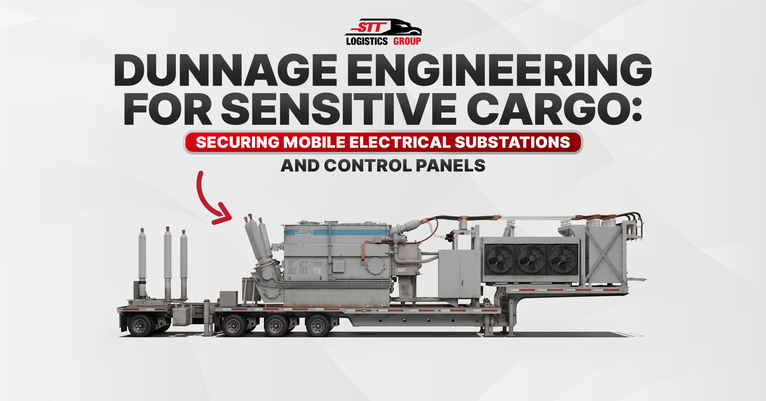
Dunnage Engineering for Sensitive Cargo: Securing Mobile Electrical Substations and Control Panels

Transporting high-value industrial assets requires specialized care, advanced equipment, and meticulous planning. Mobile electrical substations, precision control panels, and sensitive electronic equipment cannot tolerate extreme vibrations or sudden impacts during transit. Consequently, freight forwarders and logistics managers rely on dunnage engineering for sensitive cargo to guarantee zero-damage deliveries across global supply chains. At STT Logistics Group, we combine cutting-edge materials—such as expanded polystyrene (EPS), heavy-duty air bags, and rigid lashing systems—to deliver tailored blocking and bracing solutions. The Stakes: Protecting Sensitive Internal Calibrations Industrial power

Read More »
Maria Tineo

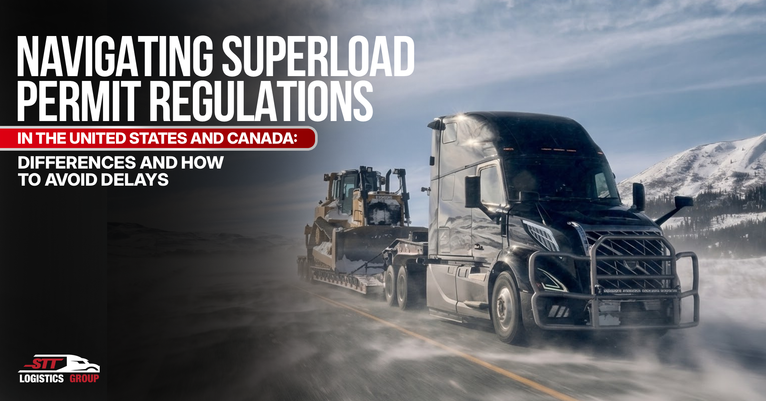
Navigating Superload Permit Regulations in the US and Canada: Key Differences and How to Avoid Costly Delays

Heavy haul operations require meticulous planning, especially when crossing state and provincial borders. A superload—defined as freight exceeding standard oversize/overweight limits in weight, height, width, or length—demands strict compliance with multi-jurisdictional rules. Understanding superload permit regulations in both the United States and Canada is essential to keeping projects on budget and on schedule. State vs. Provincial Differences in Superload Thresholds Different states and provinces establish their own parameters for what constitutes a superload. For instance, New York classifies freight weighing 200,000 lbs or more as

Read More »
Maria Tineo

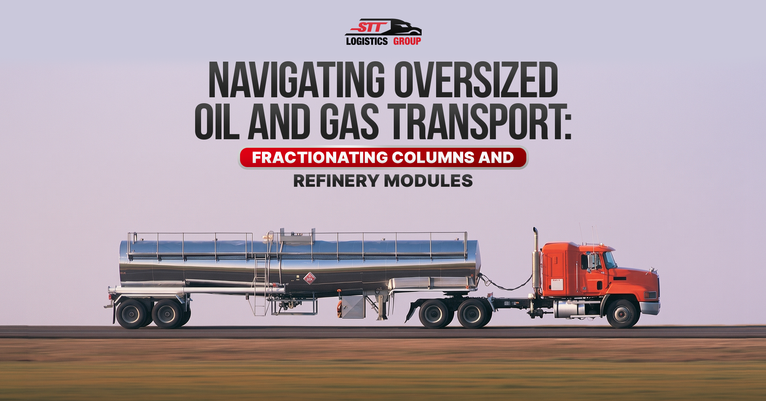
Navigating Oversized Oil and Gas Transport: Fractionating Columns and Refinery Modules

The energy sector operates on a scale where precision engineering meets immense heavy-haul challenges. When energy companies expand infrastructure or replace critical pressure vessels, they rely on specialized logistics to keep projects moving smoothly. Among the most challenging heavy-haul projects in North America is the oversized oil and gas transport of fractionating columns, massive pressure vessels, and prefabricated refinery modules. Moving giant industrial equipment from fabrication shops to remote oilfields demands meticulous execution. While modern manufacturing produces increasingly larger, high-efficiency equipment, shipping these structures requires

Read More »
Maria Tineo

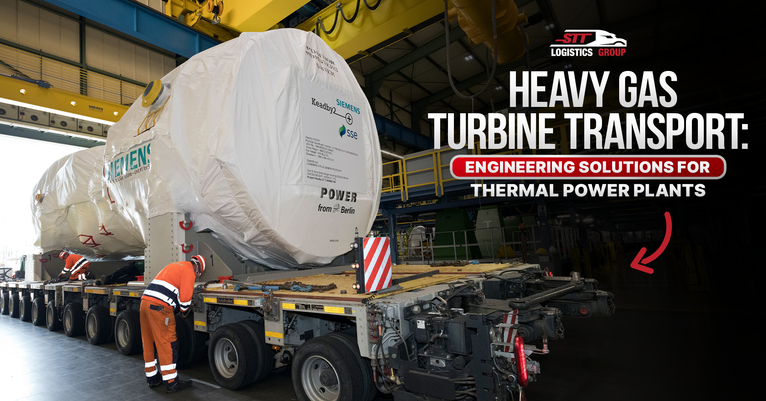
Heavy Gas Turbine Transport: Engineering Solutions for Thermal Power Plants

Moving massive power generation equipment requires precision engineering, robust planning, and flawless execution. When thermal power plants demand high-capacity energy solutions, heavy gas turbine transport becomes a critical operation. Handling monolithic modules weighing over 200 tons presents unique logistical challenges. However, specialized logistics experts turn these complex operations into safe, predictable routines. The Challenge of Monolithic Loads Weighing 200+ Tons Thermal power generation relies heavily on large-scale equipment, including heavy gas turbines, electrical generators, and heat recovery steam generators (HRSGs). Because engineers design these components

Read More »
Maria Tineo

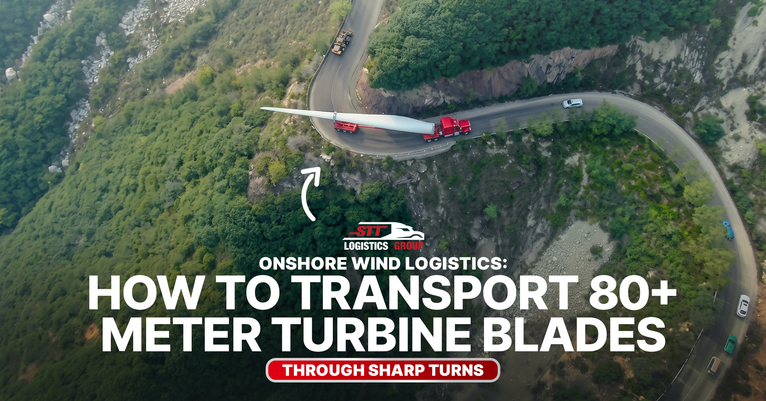
Onshore Wind Logistics: How to Transport 80+ Meter Turbine Blades Through Sharp Turns

The renewable energy sector is expanding rapidly, and wind turbines are growing larger to maximize energy efficiency. Modern turbine blades now stretch beyond 80 meters in length, presenting massive logistical challenges. Navigating these gargantuan components across tight corners, narrow mountain pass roads, and steep inclines requires specialized expertise in onshore wind logistics. Transporting mega-blades from ports or manufacturing plants to remote wind farms is no longer a simple haul. Heavy haul transport teams face severe topographical obstacles, sharp turning radiuses, and low-clearance bridges. However, engineering

Read More »
Maria Tineo

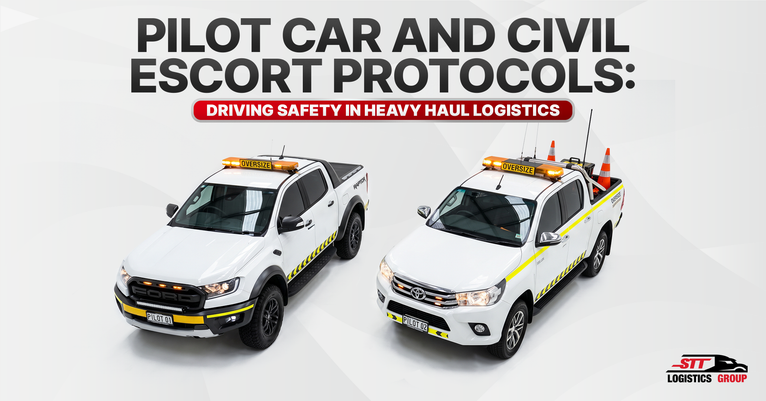
Pilot Car and Civil Escort Protocols: Driving Safety in Heavy Haul Logistics

Transporting oversized loads requires immense precision, specialized equipment, and unwavering attention to safety. When massive industrial machinery or structural components move across highway networks, standard driving rules are no longer sufficient. Consequently, pilot car and civil escort protocols serve as the bedrock of incident-free superload transit. According to a study published by the Federal Highway Administration (FHWA), effective pilot car operations significantly reduce risk factors in oversize/overweight (OS/OW) movements by pre-screening route hazards and warning surrounding traffic. By deploying lead and rear escort vehicles (P/EVs),

Read More »
Maria Tineo

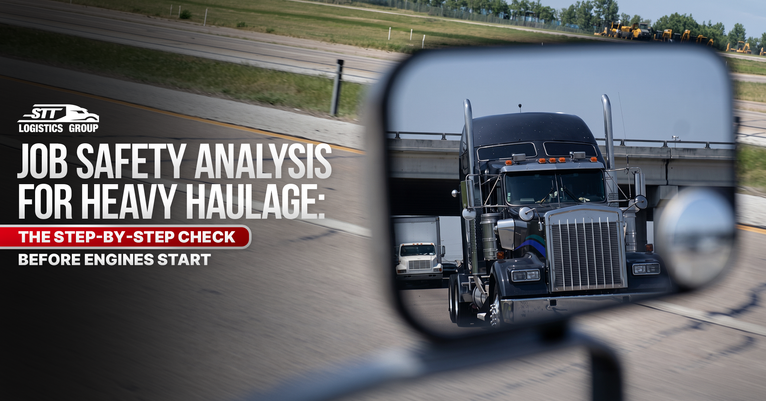
Job Safety Analysis for Heavy Haulage: The Step-by-Step Check Before Engines Start

Transporting superloads requires meticulous precision, absolute discipline, and zero room for error. Before a heavy haulage convoy turns the key, logistics teams must execute a rigorous Job Safety Analysis for heavy haulage (JSA) to identify hazards, secure critical routes, and ensure every team member operates under maximum safety standards. Beyond regulatory compliance, proactive risk management protects human life and high-value cargo. According to the Occupational Safety and Health Administration (OSHA), systematically analyzing job hazards before work begins significantly reduces workplace injuries, preventing costly equipment downtime

Read More »
Maria Tineo

Navigating Heavy Haul Transport Trends 2026: Q3 Recap and Q4 Freight Outlook

As the third quarter comes to a close, logistics managers and fleet operators face a rapidly changing environment. Navigating global supply chains requires continuous adaptation, especially when handling oversized machinery and specialized cargo. By evaluating recent industry developments, businesses can effectively optimize their supply chain strategy for the remainder of the year. Understanding current heavy haul transport trends 2026 helps shippers manage rising operational demands, prepare for seasonal weather shifts, and control transport expenses. Key Takeaways from Q3 During the third quarter, shippers experienced both

Read More »
Maria Tineo

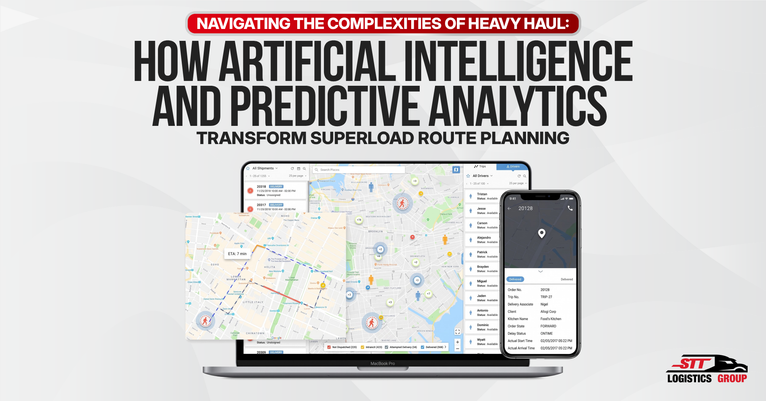
Navigating the Complexities of Heavy Haul: How AI and Predictive Analytics Transform Superload Route Planning

Transporting oversized equipment requires extraordinary precision. Moving heavy cargo across interstate corridors involves strict permits, bridge weight restrictions, and precise structural evaluations. Today, traditional route mapping tools are no longer sufficient for complex freight logistics. Top heavy-haul freight forwarders are leveraging predictive analytics for superload route planning to solve these challenges before trucks even hit the road. Superloads—shipments exceeding standard heavy-haul weight and size limits—cannot simply take the shortest highway route. A single unverified bridge, an unpredicted storm, or unexpected road construction can trap a

Read More »
Maria Tineo

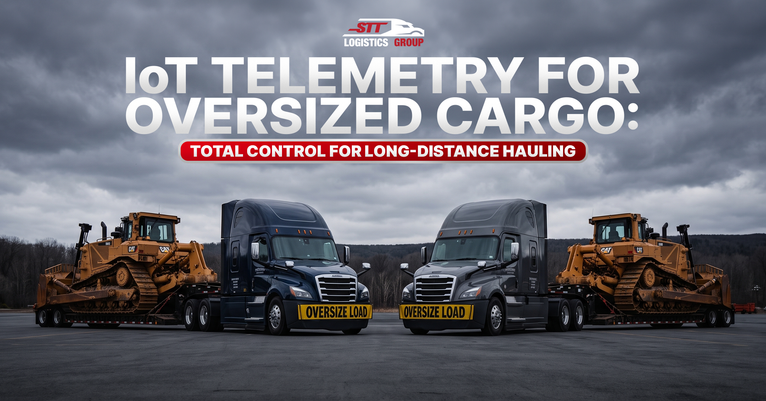
IoT Telemetry for Oversized Cargo: Total Control for Long-Distance Hauling

Transporting heavy equipment across thousands of miles presents massive logistical challenges. Heavy machinery, industrial components, and specialized equipment face unpredictable weather, rough terrain, and long transit times. For high-value loads, unexpected delays or equipment failure can cause major financial damage. To overcome these risks, STT Logistics Group relies on IoT telemetry for oversized cargo to deliver complete visibility, safety, and operational control during every shipment. The Power of Real-Time Data in Heavy Haul Logistics Uncertainty creates anxiety during heavy haul transportation. By utilizing IoT telemetry

Read More »
Maria Tineo

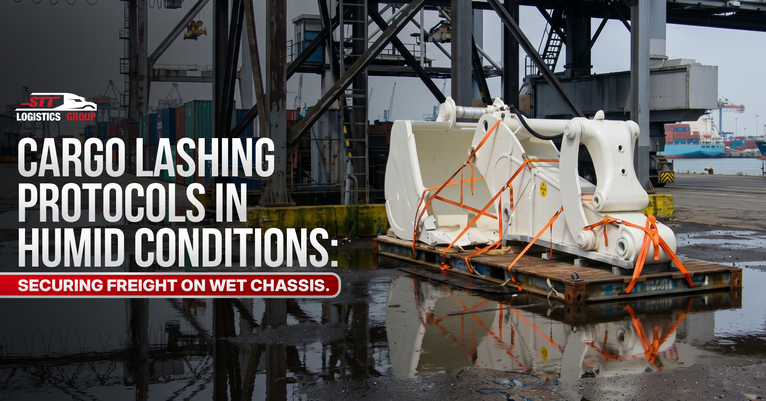
Cargo Lashing Protocols in Humid Conditions: Securing Freight on Wet Chassis

Humidity and chassis condensation post a severe, often underestimated threat to heavy haul transport. When moisture accumulates on flatbed or step-deck trailers, the friction between your load and the trailer deck drops dramatically. Understanding proper cargo lashing protocols in humid conditions keeps driver loads secure, protects equipment, and keeps highways safe. How Moisture Destroys Friction Friction is the primary defense keeping heavy cargo from shifting during transport. Drivers calculate securement needs using the coefficient of friction ($\mu$), which measures the resistance between two surfaces. On

Read More »
Maria Tineo

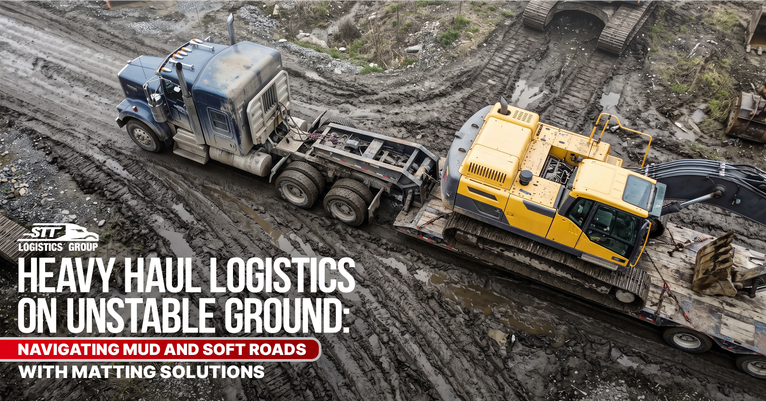
 Heavy Haul Logistics on Unstable Ground: Navigating Mud and Soft Roads with Matting Solutions

Autumn rains bring a familiar, costly challenge to heavy transport operations: unpaved access routes that rapidly transform into impassable mud traps. Moving high-tonnage industrial equipment, transformers, or heavy machinery over soft, saturated soil creates a massive risk of sinkage, vehicle rollover, and structural damage. Successfully navigating heavy haul logistics on unstable ground requires specialized equipment, rigorous route planning, and precise load distribution strategies. The Hidden Mechanics of Soil Softening When heavy rainfall saturates unpaved roads, soil particles lose cohesion and shear strength. As a result,

Read More »
Maria Tineo

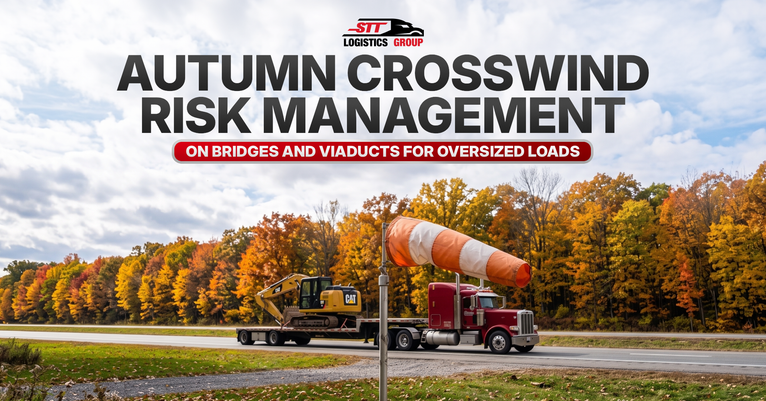
Autumn Crosswind Risk Management on Bridges and Viaducts for Oversized Loads

Transporting heavy haul cargo during the fall season presents unique structural and aerodynamic challenges. As seasonal weather shifts, transport engineers must prioritize autumn crosswind risk management on elevated structures like bridges and viaducts. When moving high-profile freight—such as residential modules or industrial storage tanks—wind forces can rapidly turn a routine haul into a high-risk operation. Critical Safety Thresholds and Protocol To maintain complete control of the transport convoy, safety managers enforce strict operational thresholds based on real-time anemometer readings: The necessity of rigorous autumn crosswind

Read More »
Maria Tineo

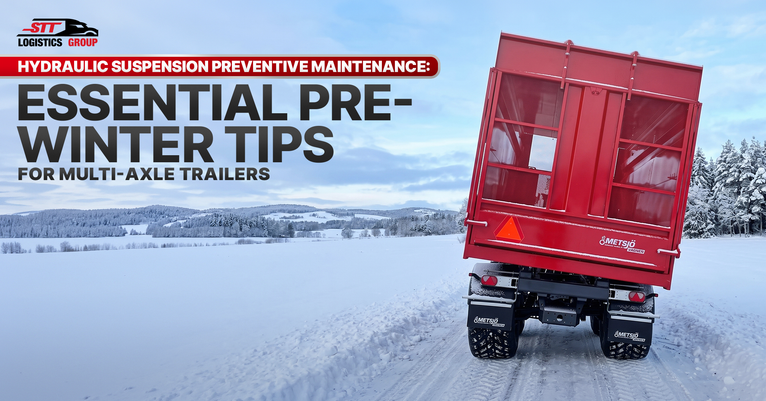
 Hydraulic Suspension Preventive Maintenance: Essential Pre-Winter Tips for Multi-Axle Trailers

As temperatures drop, heavy haul operations face unique operational challenges. Harsh winter conditions put tremendous strain on heavy equipment, especially multi-axle trailers designed to transport oversized loads. To avoid unexpected breakdowns and catastrophic mechanical failures during frozen months, implementing hydraulic suspension preventive maintenance before the cold season arrives is non-negotiable. Hydraulic systems are particularly vulnerable to thermal changes. When temperatures plummet, fluid viscosity increases, fluid flow slows down, and rubber components become brittle. According to the Transport Topics Heavy Duty Aftermarket Report, cold-weather breakdown events

Read More »
Maria Tineo

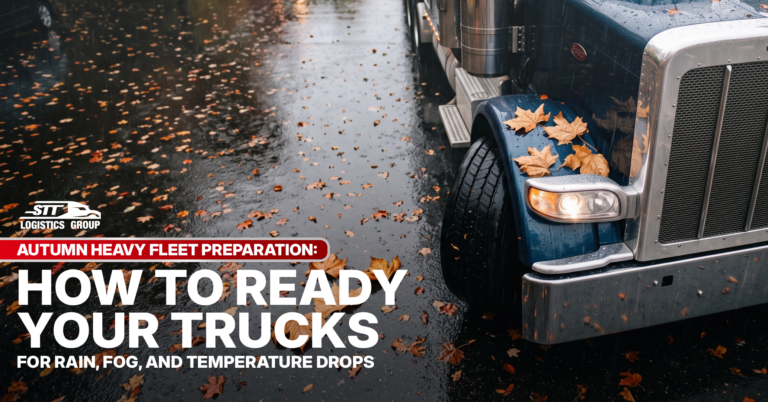
Autumn Heavy Fleet Preparation: How to Ready Your Trucks for Rain, Fog, and Temperature Drops

As autumn arrives with the equinox, seasonal shifts bring unpredictable weather conditions across transport corridors. Heavy-haul trucks and commercial fleets face sudden temperature drops, dense morning fog, and slick, wet roadways. Consequently, proactive autumn heavy fleet preparation is crucial for fleet managers who want to prevent costly downtime, ensure highway safety, and maintain uninterrupted supply chain schedules throughout the season. Essential Autumn Maintenance Steps for Commercial Fleets Preparing a heavy fleet for fall requires focused attention on critical mechanical systems that bear the brunt of

Read More »
Maria Tineo

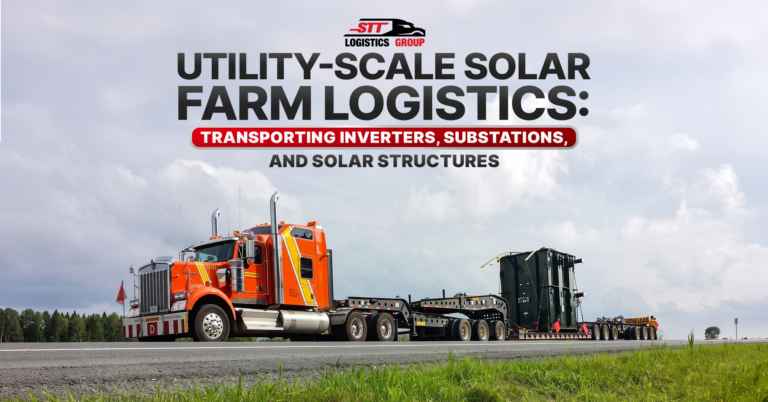
Utility-Scale Solar Farm Logistics: Transporting Inverters, Substations, and Solar Structures

Utility-scale solar projects are rapidly expanding across rural and desert landscapes. While wide-open spaces offer maximum sun exposure, they also present steep logistical challenges. Delivering thousands of solar components to unpaved, high-risk locations requires precision planning and specialized equipment. Successful developers rely on optimized utility-scale solar farm logistics to prevent delays, protect critical cargo, and keep clean energy projects on schedule. Navigating Remote Terrains and Unpaved Access Roads Solar developers frequently build utility-scale facilities on remote, undeveloped land. Because these sites lack paved highways, moving

Read More »
Maria Tineo

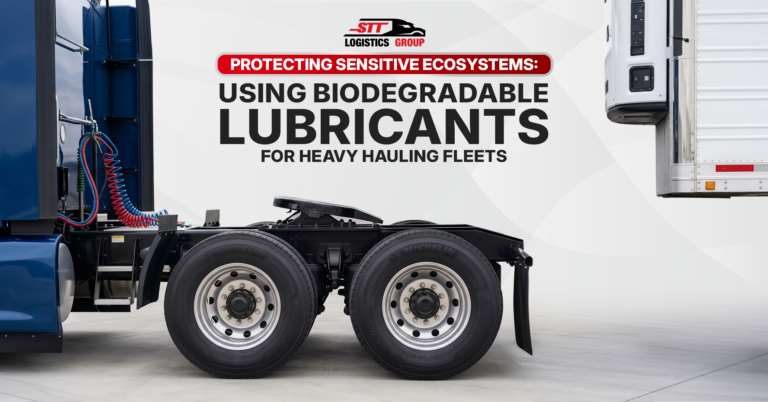
Protecting Sensitive Ecosystems: Using Biodegradable Lubricants for Heavy Hauling Fleets

Transporting massive equipment near natural reserves or sensitive watersheds presents unique operational challenges. While heavy hauling operations keep major industries moving, a single fluid leak near a protected area can result in devastating ecological damage and severe regulatory penalties. To mitigate these risks, forward-thinking logistics providers are upgrading their operations. By implementing biodegradable lubricants for heavy hauling, fleets can safeguard delicate natural habitats without sacrificing performance. The Environmental Impact of Fleet Operations Near Protected Zones Heavy machinery relies heavily on hydraulic fluids, engine oils, and

Read More »
Maria Tineo

Heavy Haul Environmental Compliance: A Director’s Guide to EPA & ISO 14001 Standards

Managing heavy haul logistics requires balancing heavy equipment transportation with stringent legal standards. Today, operations directors must prioritize sustainability alongside timely deliveries. Achieving total heavy haul environmental compliance protects your supply chain from costly delays, environmental penalties, and brand damage. Supply chain emissions represent a major focus for global climate initiatives. According to the International Energy Agency (IEA), global energy-related carbon dioxide emissions reached a record 37.4 billion metric tons in 2023, with the transport sector accounting for a significant portion of this output. To

Read More »
Maria Tineo

Industrial Recycling Logistics: Managing Retired Heavy Machinery and Metal Structures

Managing end-of-life industrial machinery requires more than standard transport solutions. When heavy equipment reaches the end of its operational lifecycle, companies must clear space while minimizing environmental impact. Consequently, industrial equipment recycling logistics has become a vital pillar for modern supply chain operations. Moving massive metallic structures—such as giant cranes, decommissioned boilers, or heavy production rigs—demands specialized heavy-haul transport, route planning, and rigorous compliance. STT Logistics Group manages every stage of this complex reverse logistics process. As a result, retired machinery moves safely from industrial

Read More »
Maria Tineo

Green Logistics in Mining: Strategies to Reduce Environmental Footprint in Remote Access

Mining and heavy industrial operations often require moving superloads across remote and ecologically sensitive areas. Constructing temporary service roads and access routes can lead to severe soil compaction, erosion, and temporary deforestation. Implementing green logistics in mining allows companies to balance high-capacity heavy haul transportation with strict environmental conservation standards. Traditional road building frequently strips topsoil and alters natural drainage pathways. Today, specialized logistics planning mitigates these issues through modern engineering and sustainable transport techniques. Sustainable Access Strategies for Heavy Convoys The economic and ecological

Read More »
Maria Tineo

Mastering Transformer Transport Vibration Control: Protecting High-Value Electrical Equipment in Transit

Moving power transformers is one of the most critical challenges in energy logistics. These massive units—often weighing hundreds of tons—are fragile pieces of machinery filled with intricate internal components, oil-insulated windings, and delicate porcelain bushings. During long-haul journeys, heavy equipment can easily suffer severe internal structural damage from road bumps and sudden shifts. For this reason, modern logistics teams rely on specialized techniques to ensure optimal transformer transport vibration control from start to finish. Logistics specialists achieve primary transformer transport vibration control by combining advanced

Read More »
Maria Tineo

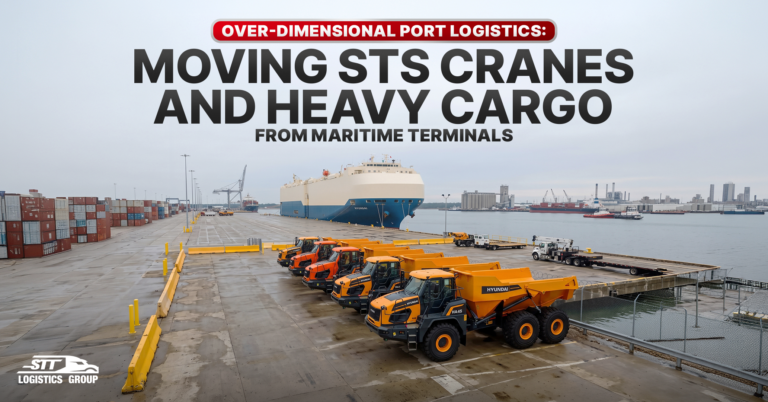
Over-Dimensional Port Logistics: Moving STS Cranes and Heavy Cargo from Maritime Terminals

Maritime trade drives the global economy, yet relocating giant port infrastructure presents massive operational challenges. Ship-to-Shore (STS) container gantry cranes stand as structural titans, often weighing thousands of tons and reaching over 200 feet high. Moving these massive units from vessel decks to inland destination sites requires absolute precision, engineering expertise, and specialized equipment. Successful over-dimensional port logistics ensures that global supply chains maintain momentum without costly port congestion or structural damage. Port terminals operate under tight schedules and demanding deadlines. When heavy project cargo

Read More »
Contact Form