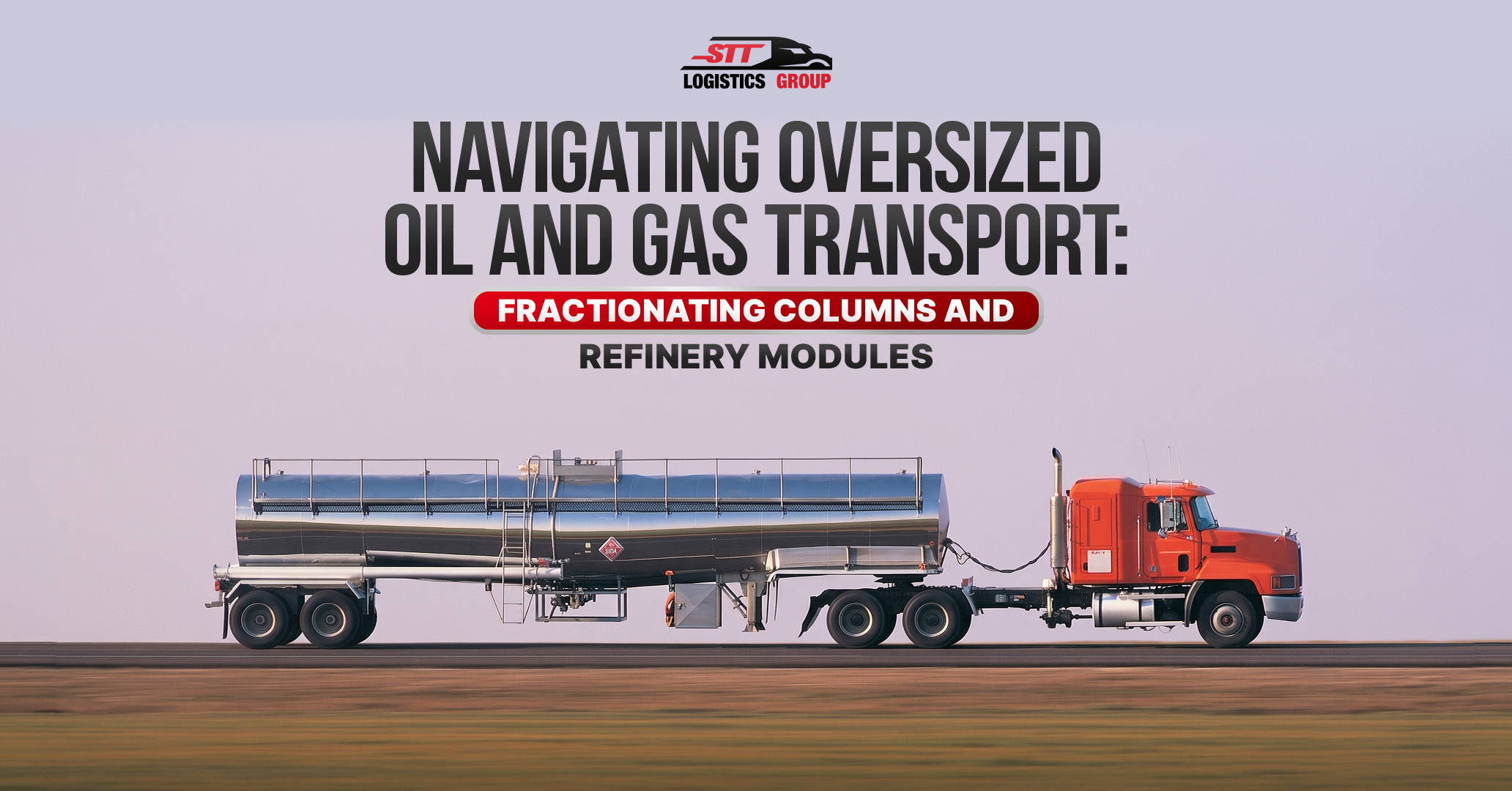

The energy sector operates on a scale where precision engineering meets immense heavy-haul challenges. When energy companies expand infrastructure or replace critical pressure vessels, they rely on specialized logistics to keep projects moving smoothly. Among the most challenging heavy-haul projects in North America is the oversized oil and gas transport of fractionating columns, massive pressure vessels, and prefabricated refinery modules.
Moving giant industrial equipment from fabrication shops to remote oilfields demands meticulous execution. While modern manufacturing produces increasingly larger, high-efficiency equipment, shipping these structures requires an intricate blend of route planning, heavy-haul technology, and specialized permitting.
From Fabrication Shops to the Oilfield
The lifecycle of refinery equipment begins inside high-precision engineering shops. Once fabrication is complete, these immense steel structures must travel hundreds or thousands of miles to reach their final destination.
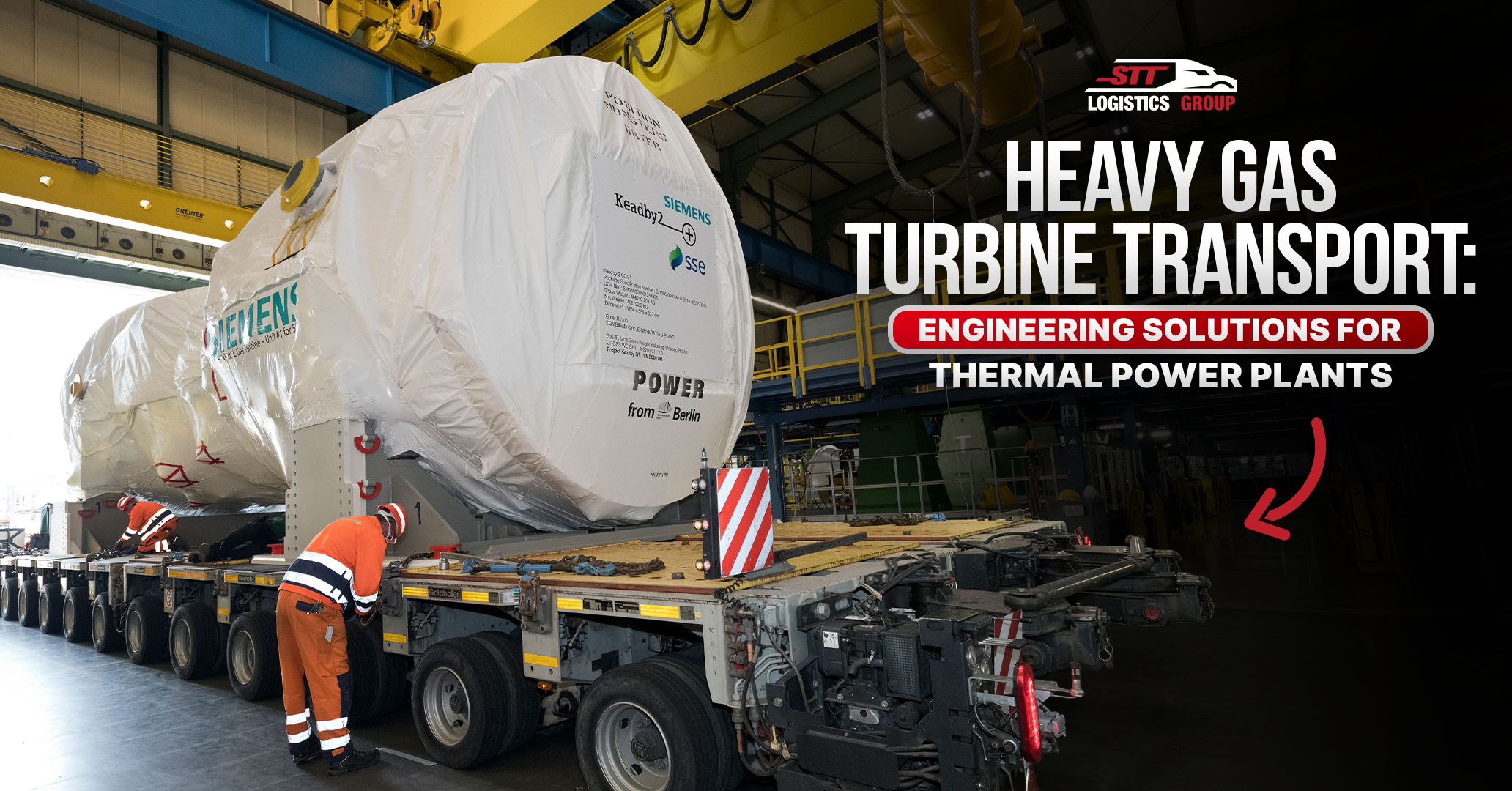
Transporting a fractionating column or refinery module is not as simple as loading a trailer. First, specialized multi-axle trailers—such as dual-lane transport systems or modular transporters (SPMTs)—are engineered to support and distribute extreme weight. Next, logistics teams evaluate infrastructure along the route. Bridges are analyzed for load capacity, turning radiuses are calculated, and overhead utility lines are surveyed to clear the path.
Overcoming Permitting and Regulatory Hurdles
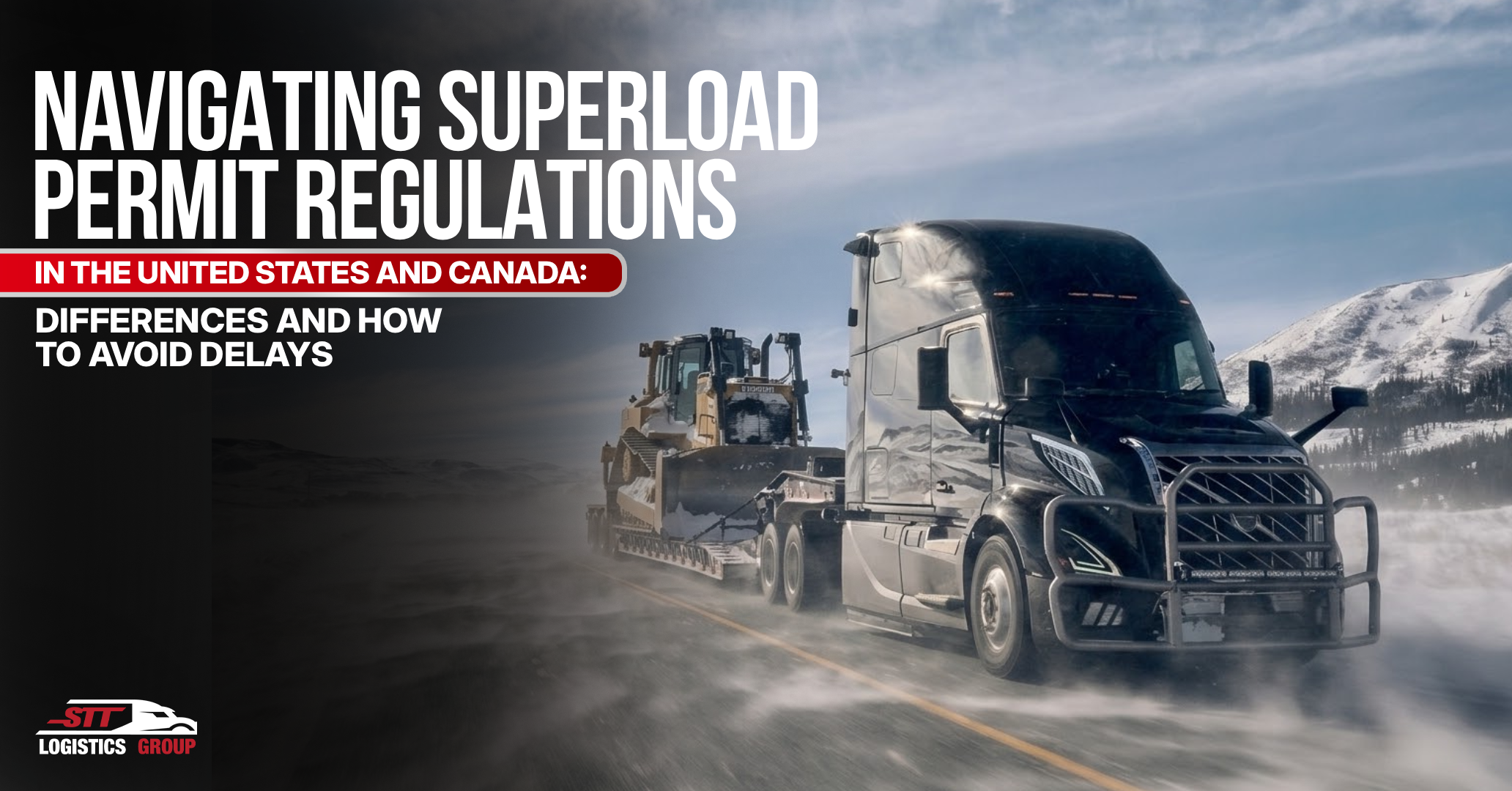
Heavy-haul logistics involves far more than physical transport; navigating regulatory compliance is critical. Large-diameter tanks, fractionating columns, and pressure vessels routinely exceed standard weight, height, and width limits set by state and federal authorities.
Consequently, superload permits must be secured well in advance from state departments of transportation. Local authorities and police escorts are coordinated to safely manage traffic flow, while utility crews are deployed to lift overhead wires along the route. Furthermore, environmental assessments are often required to ensure that rural access roads can withstand heavy axle loads without sustaining damage.
Without proper planning, regulatory delays can freeze operations and trigger severe budget overruns. According to a project management study published by the Project Management Institute (PMI), megaprojects in the energy and infrastructure sectors experience average cost overruns exceeding 20%, often driven by supply chain friction and logistical bottlenecks.
Achieving Logistics Excellence with STT Logistics Group
Logistics challenges are overcome when specialized expertise is deployed early in the project lifecycle. At STT Logistics Group, oversized oil and gas transport is handled with an unyielding commitment to safety, compliance, and precision.
From securing complex permits for large-diameter pressure vessels to managing police escorts and multi-state route surveys, every detail is meticulously managed by our specialized team. We bridge the gap between fabrication facilities and field installation sites, ensuring your high-value equipment arrives intact and strictly on schedule.
Ready to Streamline Your Heavy-Haul Operations?
Do not let logistics bottlenecks delay your energy project. Contact STT Logistics Group today to claim your FREE QUOTE and discover how our heavy-haul experts can streamline your supply chain.
Don’t forget to follow our journey on our new official page @sttlogisticsgroup to stay updated on our latest heavy-haul projects and logistics insights!