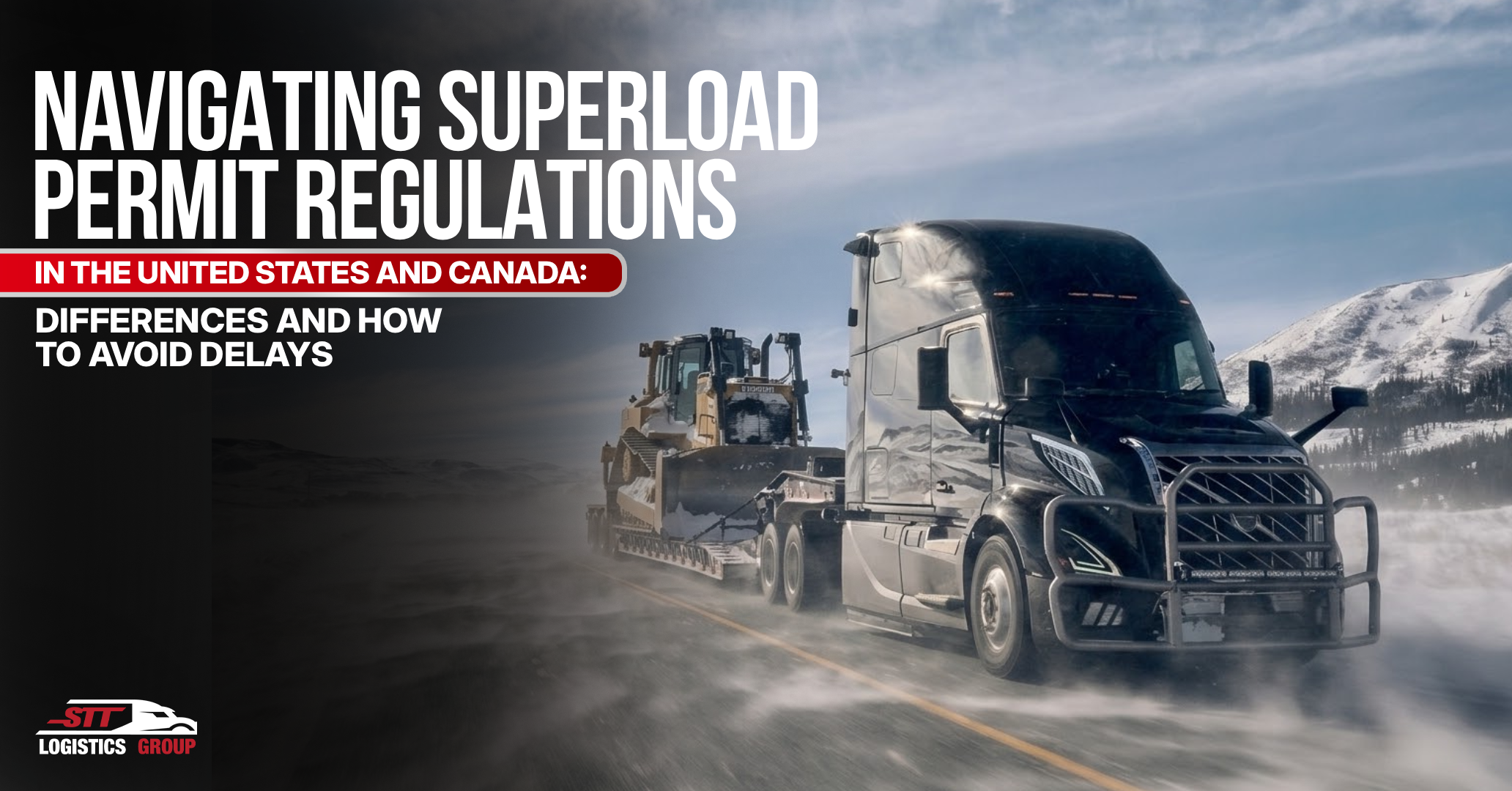

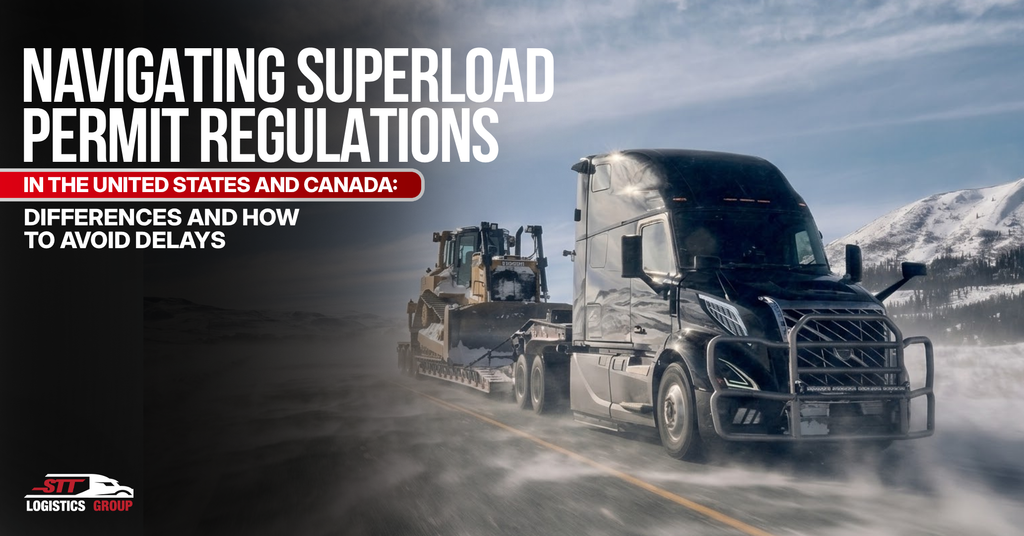
Heavy haul operations require meticulous planning, especially when crossing state and provincial borders. A superload—defined as freight exceeding standard oversize/overweight limits in weight, height, width, or length—demands strict compliance with multi-jurisdictional rules. Understanding superload permit regulations in both the United States and Canada is essential to keeping projects on budget and on schedule.
State vs. Provincial Differences in Superload Thresholds
Different states and provinces establish their own parameters for what constitutes a superload. For instance, New York classifies freight weighing 200,000 lbs or more as a superload, whereas neighboring Massachusetts applies this classification at 130,000 lbs. In Canada, provinces like Ontario and Alberta evaluate total axle load configurations and gross vehicle weight (GVW) using their own specialized thresholds.
Because regional transport authorities enforce distinct superload permit regulations, a multi-state or cross-border route requires custom applications for every jurisdiction along the path.
Bureaucratic Approval Timelines and Bridge Studies
Standard oversize permits are often approved automatically via state or provincial online portals. Conversely, superload applications trigger in-depth bureaucratic reviews that require significant lead time:
- Approval Timelines: While states such as Illinois or Arizona process permits within 2 to 4 business days, high-density regions like California or Massachusetts may require up to 30 days. Canadian provincial transport ministries typically require 10 to 15 business days for initial review.
- Bridge Impact Studies (Bridge Analysis): When gross weight exceeds specific local limits, civil engineers must perform automated structural stress calculations or custom bridge impact studies. These reviews confirm whether bridges along the route can safely bear the axle spacing and total tonnage without structural damage.
According to research published by the Federal Highway Administration (FHWA), complex freight movements involving specialized bridge engineering reviews and multi-jurisdictional routing often require up to 30 days of lead time. Missing or inaccurate technical data during this application phase can quickly double processing times.
How to Prevent Delays and Avoid Expired Permits
Permit delays ripple through the supply chain, increasing equipment standby costs and risking route expiration. You can keep your heavy haul project moving forward by taking proactive steps:
- Submit Engineering Details Early: Provide accurate axle spacings, tire counts, precise dimensions, and gross weight calculations well in advance.
- Account for Seasonal and Curfew Restrictions: Spring thaw restrictions (frost laws) in Northern US states and Canadian provinces temporarily reduce allowable axle weights, while urban centers enforce strict night or weekend transit curfews.
- Align Pilot Car and Escort Logistics: Escort vehicles, bucket trucks for utility line lifts, and police escorts must be coordinated so they coincide exactly with your permit validity windows.
Proper alignment with current superload permit regulations ensures smooth transit, eliminates unexpected downtime, and protects your bottom line.
Partner with STT Logistics Group
Do not let bureaucratic delays stall your heavy haul shipments. Contact STT Logistics Group today to request your free quote and let our team manage your cross-border permitting, route surveys, and specialized transport coordination.
Follow us on our new official social media page: @sttlogisticsgroup