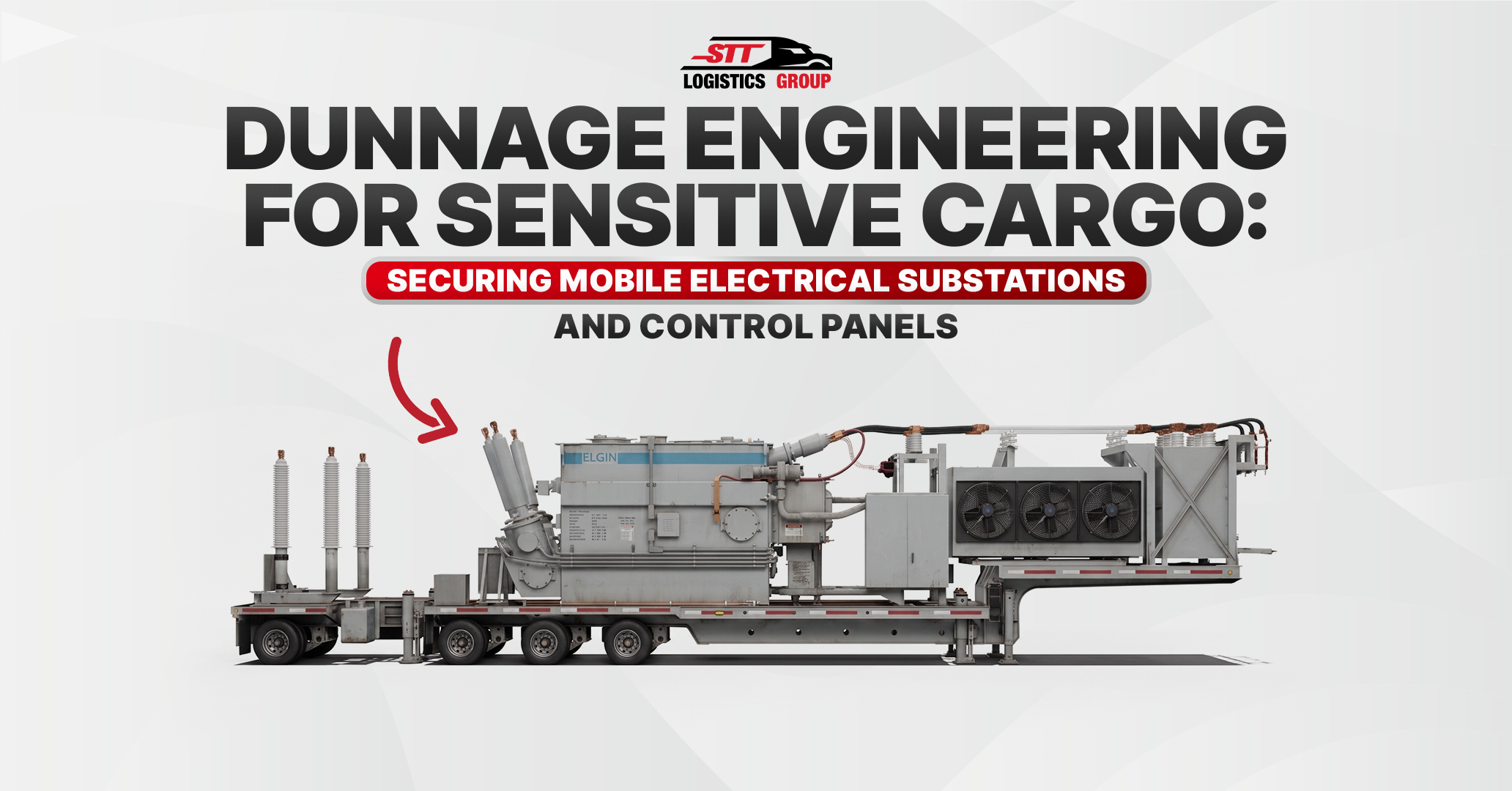

Moving power transformers is one of the most critical challenges in energy logistics. These massive units—often weighing hundreds of tons—are fragile pieces of machinery filled with intricate internal components, oil-insulated windings, and delicate porcelain bushings. During long-haul journeys, heavy equipment can easily suffer severe internal structural damage from road bumps and sudden shifts. For this reason, modern logistics teams rely on specialized techniques to ensure optimal transformer transport vibration control from start to finish.
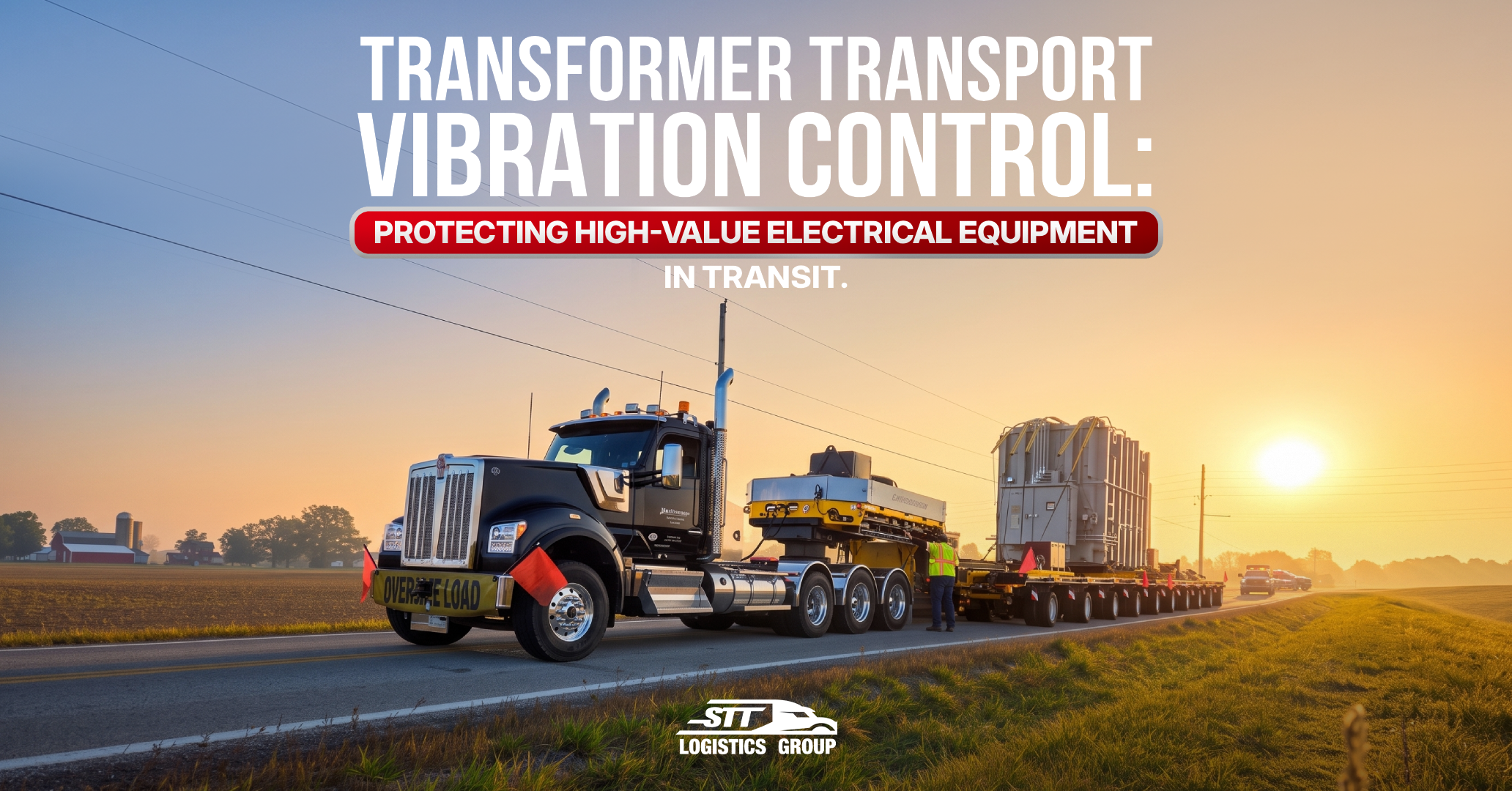
Logistics specialists achieve primary transformer transport vibration control by combining advanced heavy-haul trailers with modern suspension systems. Multi-axle hydraulic platform trailers and air-ride suspension configurations absorb high-amplitude road shocks before they reach the cargo. These systems continuously adjust pressure across individual axle lines, which distributes the load evenly over uneven terrain. Consequently, road irregularities are dampened effectively, preventing harmful kinetic energy from transferring directly into the core components of the transformer.
Furthermore, dynamic monitoring equipment tracks real-time motion throughout the entire journey. Operations teams install multi-axis impact data loggers directly onto the transformer housing before departure. These sensors continuously measure g-force acceleration, vibration frequency, tilt angle, and temperature variations. If a severe shock occurs along the route, the monitoring system logs the precise timestamp, location, and severity of the event. Consequently, engineers can evaluate internal stresses immediately upon arrival at the substation or port.
Vibration and kinetic shocks during transit pose a genuine threat to grid reliability. According to research published by the IEEE Xplore Digital Library, transport-induced vibrations and mechanical impacts frequently cause internal coil displacements, winding deformities, and insulation degradation inside power transformers. Implementing strict transformer transport vibration control and continuously tracking data prevents catastrophic premature failures long before the unit is energized.
Ultimately, successful heavy logistics requires a precise blend of specialized trailer technology, real-time tracking, and expert route engineering. By combining hydraulic suspension design with impact monitoring, critical energy infrastructure is delivered safely to its final destination without compromising structural integrity.
Are you planning your next heavy-haul power or energy logistics project? Contact STT Logistics Group today to request your free quote and experience seamless, secure transport solutions tailored to your needs. Don’t forget to follow our new official page at @sttlogisticsgroup to stay updated on our latest heavy-haul projects and industry insights!