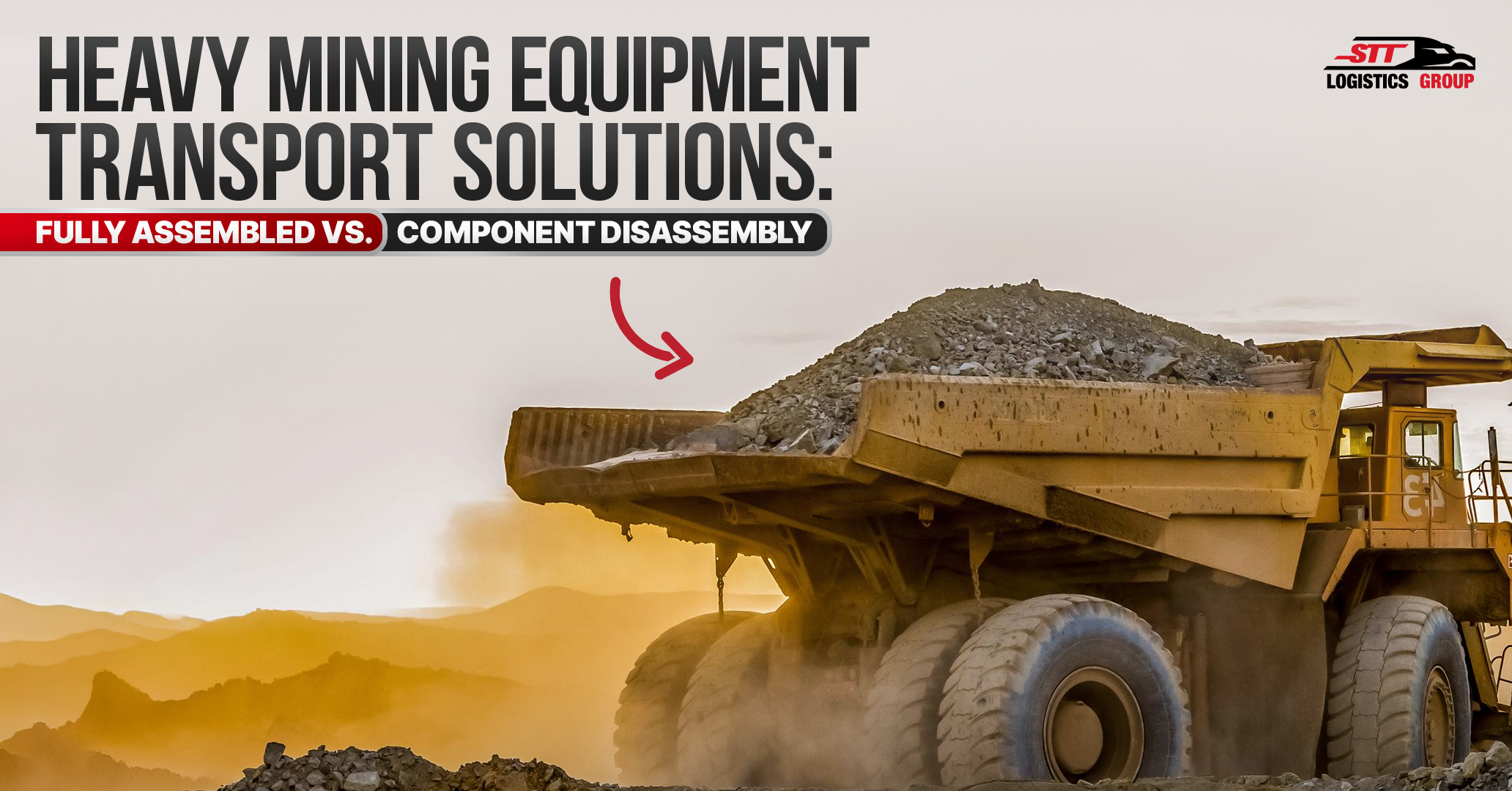
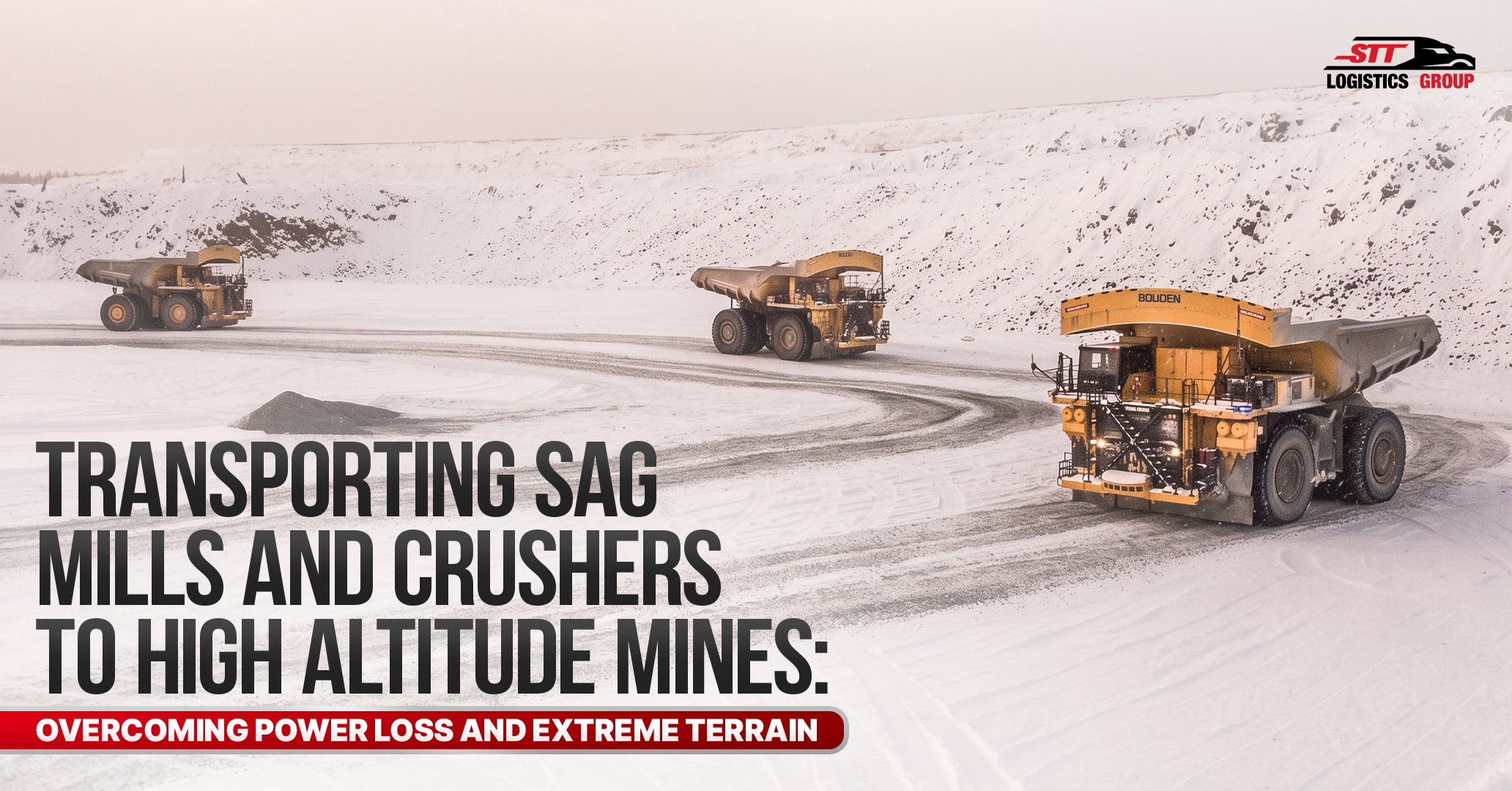

Heavy mining operations require massive equipment, but transporting SAG mills and crushers to high altitude mines is one of the most complex challenges in modern logistics. Mine sites located high in the mountains demand precision planning, specialized heavy-haul configurations, and advanced engineering solutions. When logistics teams fail to account for steep gradients, narrow gravel roads, and atmospheric conditions, severe delays and safety risks inevitably occur.
The Physical Constraints of High-Altitude Logistics
Navigating narrow, unpaved mountain passes requires extraordinary maneuvering skills. Logistics operators often transport components that weigh hundreds of tons over steep inclines exceeding 10% to 12% gradients. Standard road safety protocols are insufficient on unpaved gravel, where traction control becomes a constant struggle for heavy-haul trucks.
Furthermore, hairpin turns and tight cliffside passes force transport crews to utilize modular hydraulic platform trailers (SPMTs). These specialized trailers distribute weight evenly across multiple axles, which protects vulnerable mountain bridges and prevents road collapse under massive loads.
Understanding Engine Power Loss in Extreme Altitudes
Altitude directly impacts heavy truck engine performance due to thinner air and reduced atmospheric pressure. Naturally aspirated diesel engines lose approximately 3% of their power for every 1,000 feet (305 meters) above sea level. Turbocharged engines mitigate some of this loss, yet heat dissipation becomes a major bottleneck on long, steep climbs.
According to research from the National Renewable Energy Laboratory (NREL), ambient air density drops significantly at high elevations, which impairs engine combustion efficiency and severely reduces cooling capabilities for heavy-duty machinery.
When heavy transport trucks climb to altitudes between 3,000 and 5,000 meters above sea level:
- Horsepower drops drastically: A 600-horsepower tractor unit may only output 450 to 480 usable horsepower at peak elevations.
- Cooling systems overheat: Engines generate excess thermal stress while climbing steep inclines under reduced air cooling.
- Traction drops: Unpaved gravel roads offer minimal grip, causing drive wheels to slip during high-torque climbs.
To counteract these operational limitations, multi-truck pushing and pulling configurations are deployed. Specialized heavy-duty push trucks are positioned behind the main haulers to provide supplementary torque, ensuring continuous momentum without overheating individual engines.
Engineering Safety and Strategic Route Surveys
Detailed route surveys must be conducted prior to moving critical mining assets like SAG mill shells or gyratory crushers. Transport engineering teams evaluate every bridge capacity, overhead obstacle, and turning radius along the route.
Additionally, contingency protocols are integrated into every phase of the haul. Emergency runaway ramps, ground-support escort units, and real-time weather monitoring systems are positioned strategically to handle sudden snowstorms or landslides common in alpine environments.
Partner with the Experts in Heavy Mining Transport
Delivering heavy machinery to remote, high-altitude mining camps leaves no room for error. At STT Logistics Group, our specialized logistics team designs custom heavy-haul solutions tailored to the world’s most demanding terrains.
Are you preparing your next major mining project? Contact STT Logistics Group today to get your free quote and secure your supply chain with proven high-altitude transport experts. Don’t forget to follow our official page @sttlogisticsgroup to stay updated on our latest heavy-haul operations!