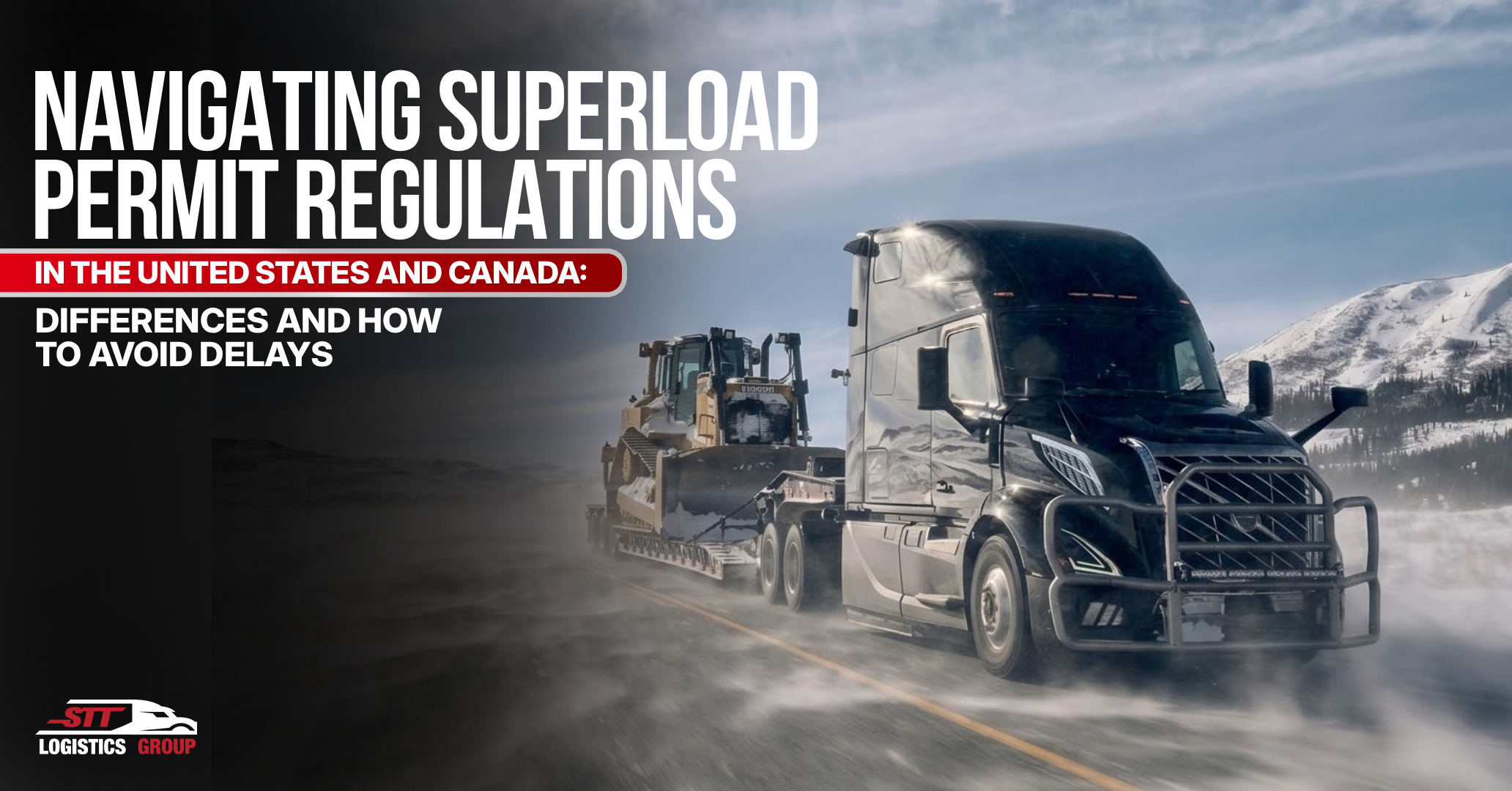


As temperatures drop, heavy haul operations face unique operational challenges. Harsh winter conditions put tremendous strain on heavy equipment, especially multi-axle trailers designed to transport oversized loads. To avoid unexpected breakdowns and catastrophic mechanical failures during frozen months, implementing hydraulic suspension preventive maintenance before the cold season arrives is non-negotiable.
Hydraulic systems are particularly vulnerable to thermal changes. When temperatures plummet, fluid viscosity increases, fluid flow slows down, and rubber components become brittle. According to the Transport Topics Heavy Duty Aftermarket Report, cold-weather breakdown events increase fleet operating costs by over 15% annually due to preventable component failures and emergency roadside repairs. Therefore, taking proactive measures today will safeguard both your cargo and your bottom line.
Inspecting Fluids and Hydraulic Seals
First and foremost, inspect your hydraulic fluid quality and levels. Cold weather thickens hydraulic oil, which causes severe pump cavitation and delayed system response. Old or contaminated fluid must be flushed and replaced with a low-viscosity, winter-grade hydraulic fluid. Simultaneously, technicians should carefully inspect all hydraulic seals, O-rings, and hoses. Because freezing temperatures cause rubber seals to contract and harden, micro-cracks often lead to sudden fluid leaks under high pressure. Replacing worn seals in autumn prevents costly fluid loss on the road.
Servicing Exposed Linkage and Articulation Systems
In addition to fluid management, exposed articulation systems require thorough lubrication and mechanical alignment checks. Multi-axle trailers rely on complex pivot points, equalizer beams, and steering linkages to distribute heavy weight evenly across all axles. Road salt, moisture, and ice quickly penetrate ungreased joints, accelerating corrosion and causing moving parts to freeze. For this reason, high-temperature, water-resistant synthetic grease should be liberally applied to all exposed pivot pins and articulation joints before the first frost.
Furthermore, hydraulic leveling systems must be pressure-tested to ensure even load distribution. If one cylinder suffers from pressure drops caused by cold-weather contraction, the entire trailer frame experiences dangerous torsional stress. By testing relief valves and balancing hydraulic circuits now, fleet managers ensure smooth, level transport even on icy terrain.
Prepare Your Fleet Today
Winterizing your heavy haul equipment is not just routine service; it is an investment in safety and reliability. By prioritizing fluid checks, seal replacements, and linkage lubrication, you protect your fleet against cold-weather downtime.
Don’t let frozen hydraulic systems halt your heavy haul operations this season! Contact STT Logistics Group today to get your free quote and schedule your pre-winter trailer inspection. Also, make sure to follow our brand-new page on Instagram @sttlogisticsgroup for more expert logistics tips and heavy haul insights!