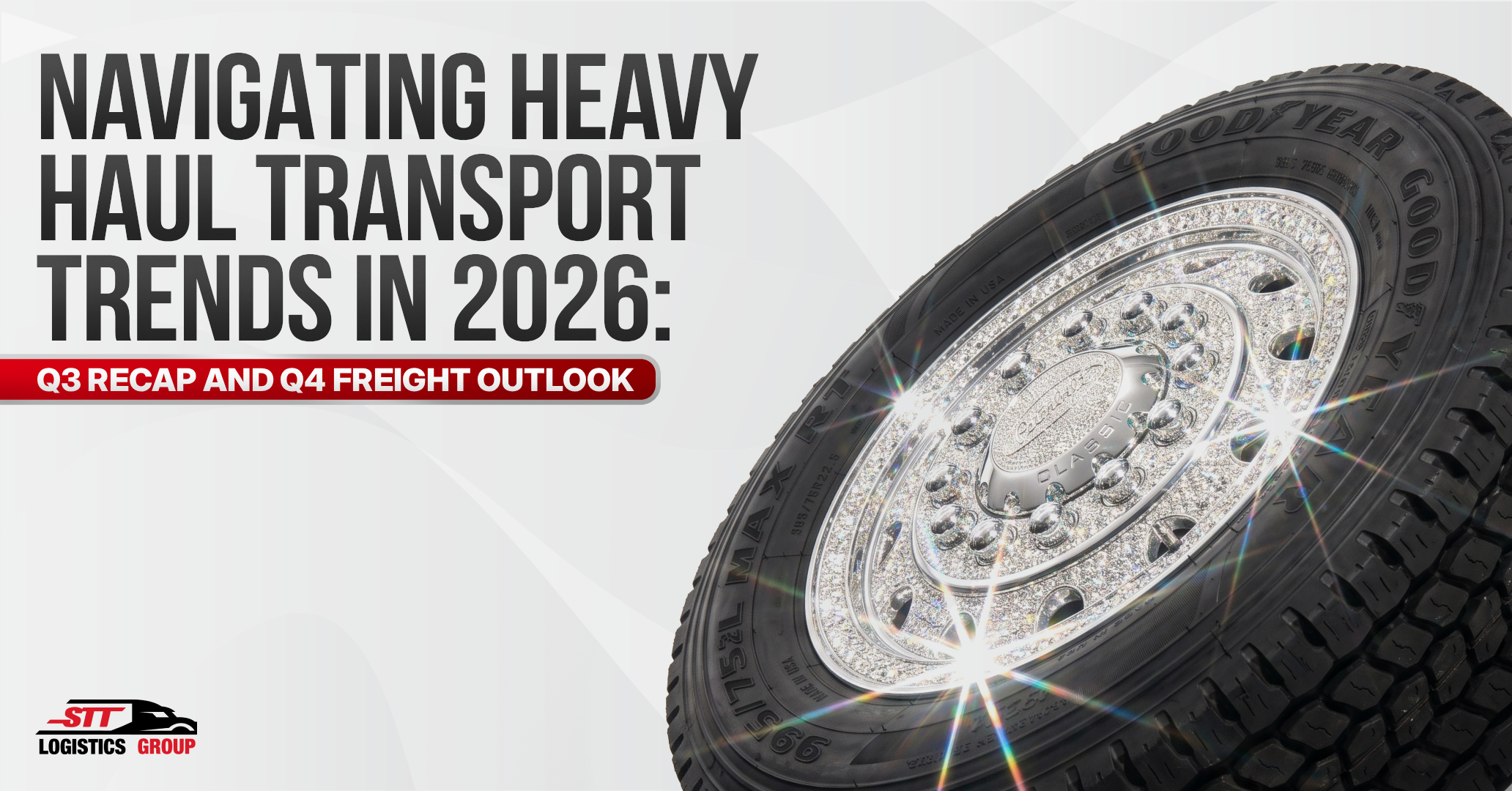

As the third quarter comes to a close, logistics managers and fleet operators face a rapidly changing environment. Navigating global supply chains requires continuous adaptation, especially when handling oversized machinery and specialized cargo. By evaluating recent industry developments, businesses can effectively optimize their supply chain strategy for the remainder of the year. Understanding current heavy haul transport trends 2026 helps shippers manage rising operational demands, prepare for seasonal weather shifts, and control transport expenses.
Key Takeaways from Q3
During the third quarter, shippers experienced both operational efficiency gains and unexpected cost pressure. Supply chain bottlenecks eased in certain corridors, yet fuel price fluctuations and capacity constraints continued to impact specialized logistics. Furthermore, fleet managers increasingly relied on digital tracking technologies to streamline route management and heavy machinery shipping.
Additionally, industry reports highlight the growing volume of industrial freight across North America. According to the American Trucking Associations, primary freight shipments are projected to reach 14.2 billion tons annually by 2034, driven by ongoing infrastructure investments and domestic manufacturing growth. Consequently, high demand for heavy equipment transport requires businesses to secure reliable carrier capacity well in advance.
Freight Cost Projections for Q4
As we approach the final months of the year, several economic factors will influence freight rates:
- Capacity Constraints: High demand during the holiday season tightens specialized flatbed and step-deck trailer availability.
- Fuel Adjustments: Seasonal shifts in diesel prices will directly impact overall rate structures.
- Urban and Regional Congestion: Increased retail freight volumes often lead to delays on major highways, raising time-sensitive freight charges.
Therefore, logistics managers should lock in carrier commitments early to prevent last-minute rate hikes and ensure timely delivery.
Essential Winter Preparation Checklist
Severe winter weather creates significant hazards for heavy haul operations. Shippers must prepare specialized cargo and transport routes for freezing temperatures, snow, and ice.
- Inspect Equipment and Cargo Ties: Transport teams must verify all chains, straps, and tarps to protect machinery against harsh road conditions.
- Plan Weather-Contingent Routes: Permits and specialized transport routes can be delayed by sudden winter storms, so flexible routing is essential.
- Schedule Maintenance Pre-Emptively: Fleet operators must check tire treads, battery health, and anti-freeze levels prior to dispatch.
Optimize Your Logistics Strategy with STT Logistics Group
Navigating complex heavy haul transport trends 2026 does not have to be overwhelming. At STT Logistics Group, our dedicated team delivers seamless specialized transport solutions tailored to your specific fleet requirements.
Are you ready to streamline your Q4 freight strategy? Contact us today to get your free quote and experience hassle-free heavy equipment transport! Make sure to follow our brand-new page at @sttlogisticsgroup to stay updated on industry insights, transport tips, and fleet updates.