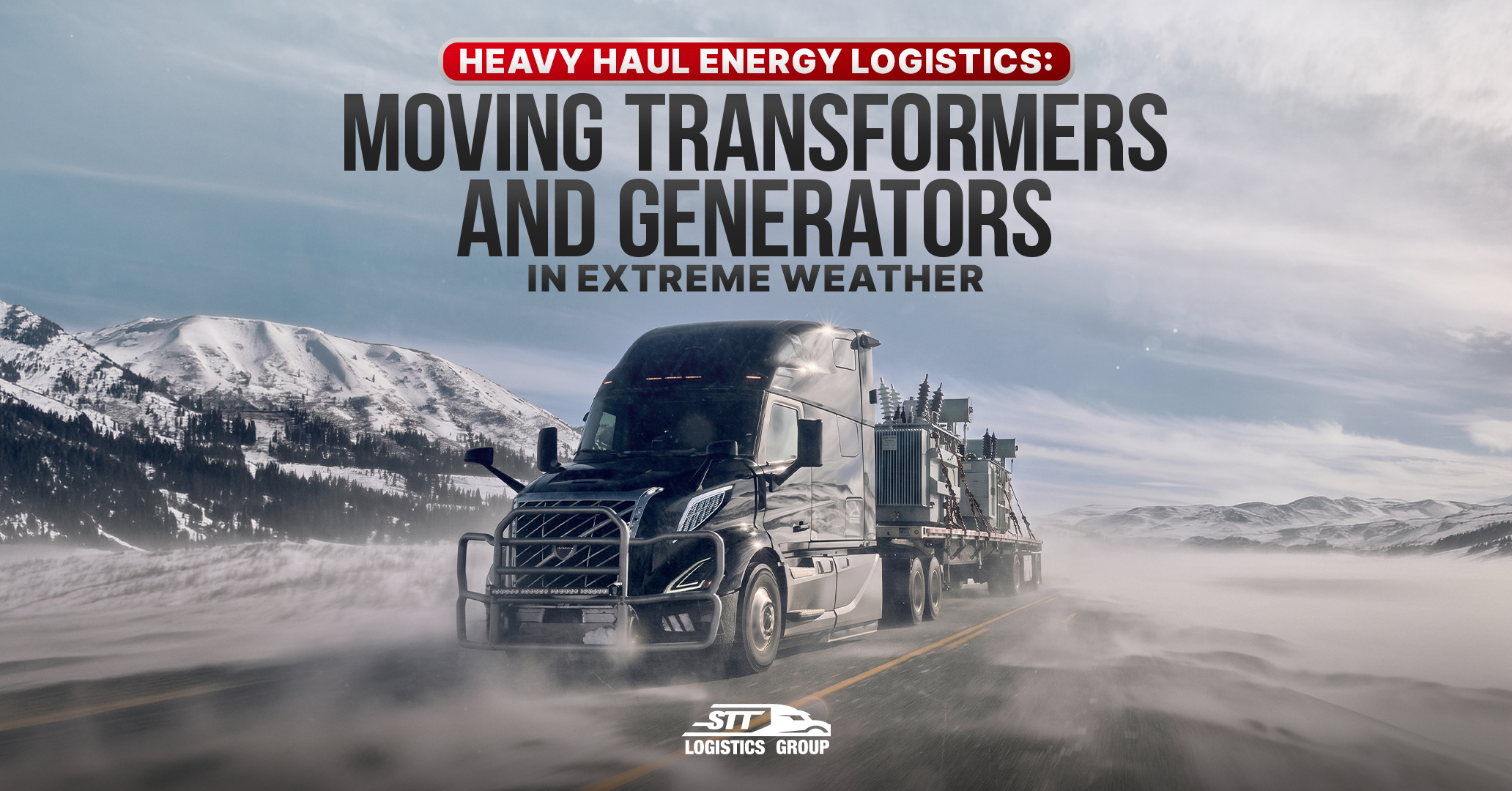

When the grid depends on you, failure is not an option. For the energy sector, transporting massive power transformers and generators isn’t just a standard shipping job—it is a high-stakes mission. These multi-ton pieces of critical infrastructure must travel across vast distances, often facing unpredictable and severe environments.
Mastering heavy haul energy logistics under extreme weather conditions requires precision, specialized equipment, and flawless execution. Here is how top-tier logistics providers keep the power moving, no matter what the thermometer says.
The Massive Scale of Energy Cargo
Power transformers and electrical generators are the heart of the electrical grid, but their sheer size makes them a logistical challenge. These assets frequently qualify as superloads, weighing hundreds of thousands of pounds and requiring specialized multi-axle trailers.
Because of their immense weight, meticulous route planning must be conducted weeks in advance. Engineers carefully analyze bridge capacities, utility line clearances, and turning radiuses to ensure a safe passage. However, even the most perfect route can be instantly compromised when extreme weather strikes.
Battling the Elements: Heat, Ice, and Rain
Weather extremes introduce severe risks to heavy haul energy logistics. Logistics teams must adapt to various climate challenges to protect both the cargo and the transport crew:
- Extreme Heat: Scorching summer temperatures don’t just exhaust drivers; they also threaten the mechanical integrity of the transport vehicles. Severe heat degrades tire rubber rapidly and strains truck engines. Furthermore, extreme heat can soften asphalt, meaning heavy trailers risk damaging public roads or getting stuck.
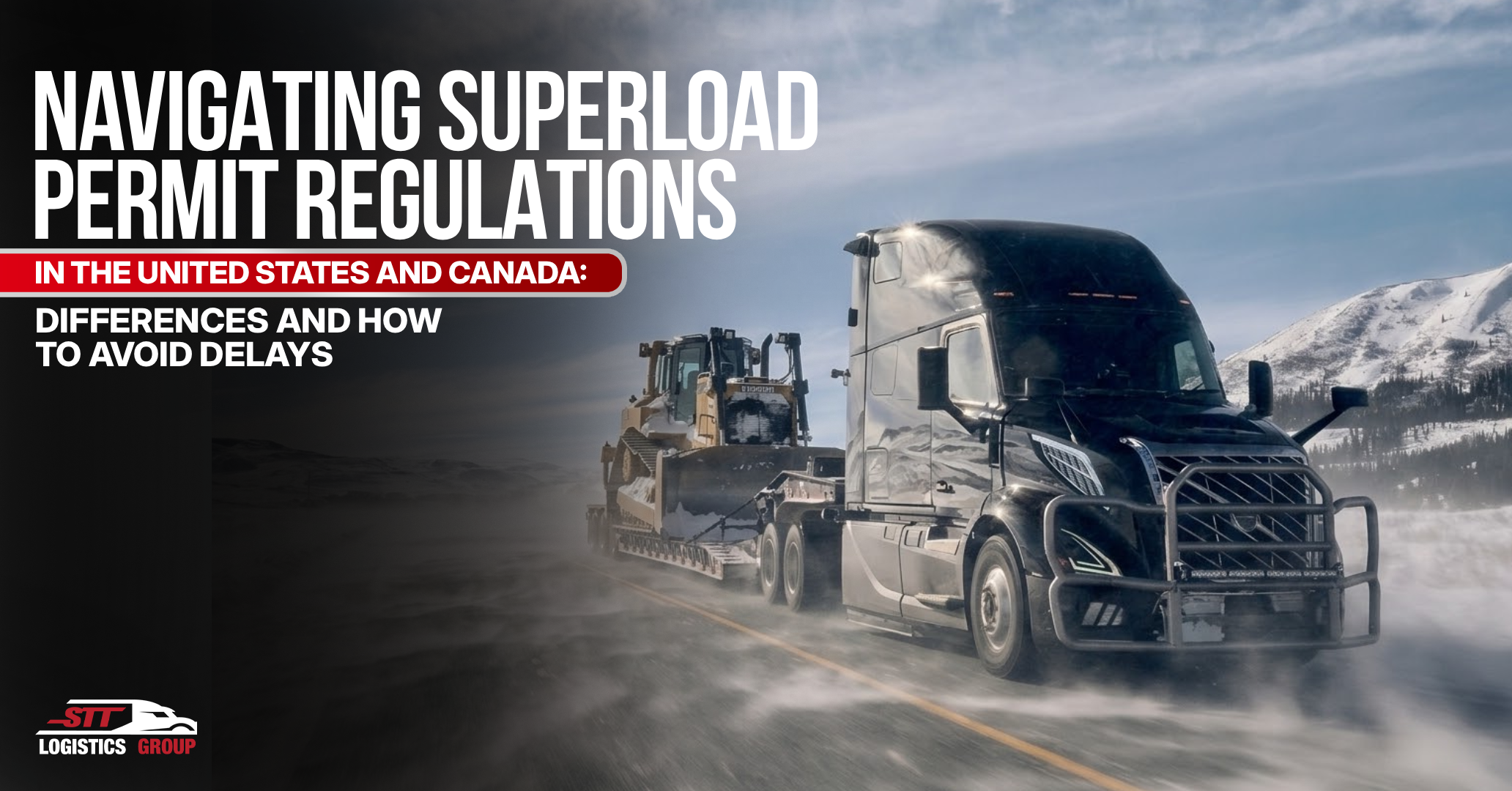
- Freezing Ice and Snow: Winter storms create treacherous road conditions. Ice drastically reduces traction for heavy transport configurations, making steep inclines or sharp declines incredibly dangerous.
- Torrential Rain and Flooding: Heavy downpours compromise road shoulders and cause flash floods, which can completely wash out a pre-planned route.
To mitigate these risks, specialized cooling systems are utilized for transport engines during summer heatwaves. Conversely, during winter operations, routes are continuously scouted for black ice, and advanced braking systems are deployed to maintain control.
Why Precision Planning is Non-Negotiable
A successful project relies heavily on real-time data and regulatory compliance. According to a study on weather-related disruptions by the Federal Highway Administration (FHWA), weather-related delays cost the U.S. trucking industry billions of dollars annually, with adverse weather acting as a primary factor in traffic congestion and route deviations.
To combat this, leading logistics providers implement dynamic routing. If a sudden blizzard or flash flood blocks the primary path, alternative routes are immediately calculated. Permits must also be constantly updated, as local municipalities frequently restrict heavy haul movements during active weather alerts.
Power Up Your Next Project with STT Logistics Group
Navigating the complexities of heavy haul energy logistics requires an experienced partner who anticipates every storm. At STT Logistics Group, we combine cutting-edge technology, specialized equipment, and industry expertise to deliver your critical energy assets safely and on time—regardless of the weather.
Don’t let extreme conditions stall your project. Contact STT Logistics Group today to get your free quote! Stay updated on our latest heavy haul journeys and industry insights by following our brand-new page on Instagram: @sttlogisticsgroup!