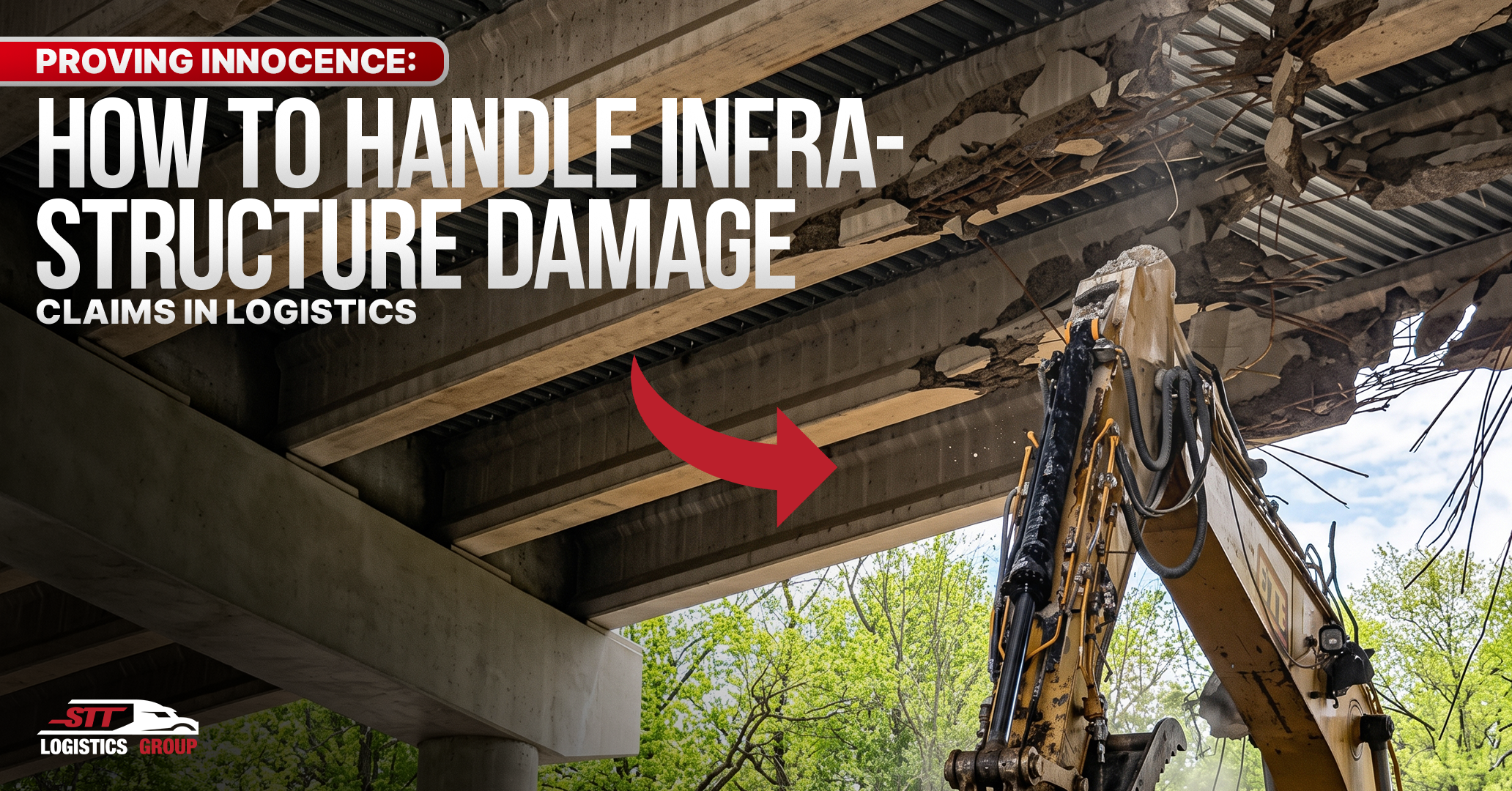

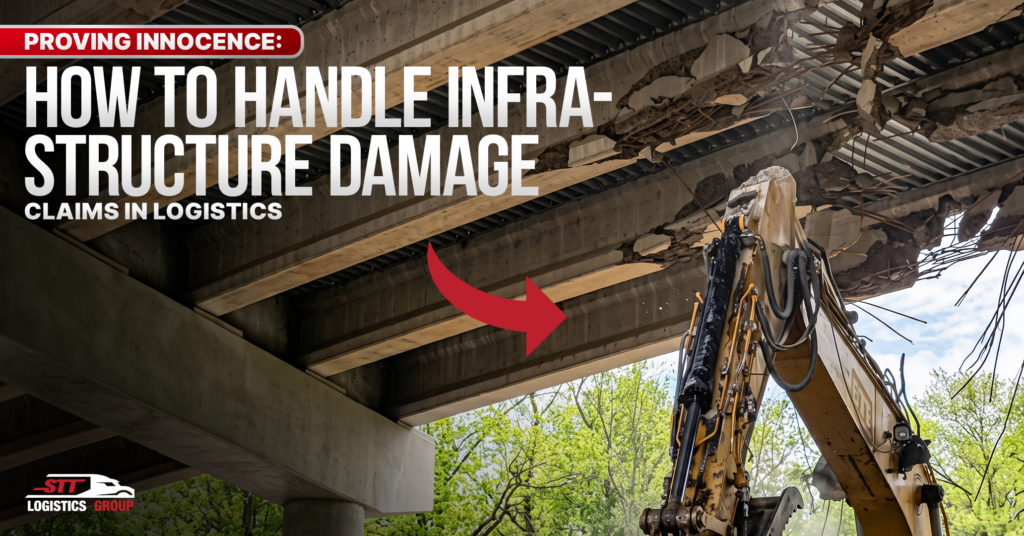
As heavy haul and specialized transport operations expand, heavy transport companies frequently face intense scrutiny from municipal authorities. On any given route, a sudden cracked pavement notice or a damaged utility line claim can instantly halt your operations. Therefore, mastering the nuances of infrastructure damage claims in logistics is no longer just a legal precaution—it is an absolute operational necessity.
When an incident occurs, blame is often reflexively placed on the largest vehicle on the road. However, you can successfully dispute these costly allegations. By combining rigorous technical evidence with solid legal documentation, your fleet can prove its innocence and avoid devastating liabilities.
The True Cost of Infrastructure Claims
Infrastructure disputes are rarely simple, and they can quickly become financial nightmares. Local governments are increasingly aggressive about recovering repair costs from commercial carriers.
Industry Insight: According to a comprehensive study by the American Transportation Research Institute (ATRI), operational costs and legal liabilities in the trucking industry have risen sharply, making proactive risk mitigation essential for survival.
When your company is targeted by infrastructure damage claims in logistics, a single unproven accusation can result in tens of thousands of dollars in fines, skyrocketing insurance premiums, and severe reputational harm.
Step 1: Building the Technical Defense (Before the Wheels Turn)
Defending your fleet against infrastructure damage claims in logistics actually begins long before your truck ever hits the pavement.
- Conduct Route Surveys: Detailed, date-stamped video footage of the planned route must be recorded by your permitting team before transport begins. If a pothole or cracked curb already exists, you need proof that it was there before your truck arrived.
- Leverage Telematics and GPS Data: Modern telematics systems track exact vehicle positioning, speed, and axle weight distribution. Consequently, this data can be used to prove your truck was not even near the alleged damage site at the reported time.
- Utilize High-Resolution Dashcams: Continuous outward-facing cameras provide undeniable visual evidence of the exact moment your vehicle passed the infrastructure in question.
Step 2: Crafting the Legal Documentation
If a claim is formally filed against your company, a structured legal response must be executed immediately.
First, a formal “Letter of Protest” should be drafted by your legal team and submitted to the claiming authority. In this document, you must officially reject the claim while citing your pre-route surveys. Second, you must secure certified engineering reports if the municipality claims your weight caused structural failure. Frequently, public roads are already degraded due to poor municipal maintenance, meaning your legal defense can successfully argue that pre-existing wear-and-tear was the true culprit.
Balance Your Strategy, Protect Your Fleet
Ultimately, protecting your business requires a balanced approach. While technical data is gathered by your field teams, legal strategies are simultaneously shaped by your executives. By integrating these two pillars, infrastructure damage claims in logistics can be systematically dismantled, saving your company time, money, and stress.
Protect Your Route Today!
Don’t let unfair allegations stall your business momentum. At STT Logistics Group, we handle the complexities of heavy haul permitting, route planning, and compliance so your cargo moves safely and legally.
Contact us today to claim your FREE QUOTE! For more industry insights, compliance tips, and heavy haul updates, make sure to follow our brand-new page on social media: @sttlogisticsgroup