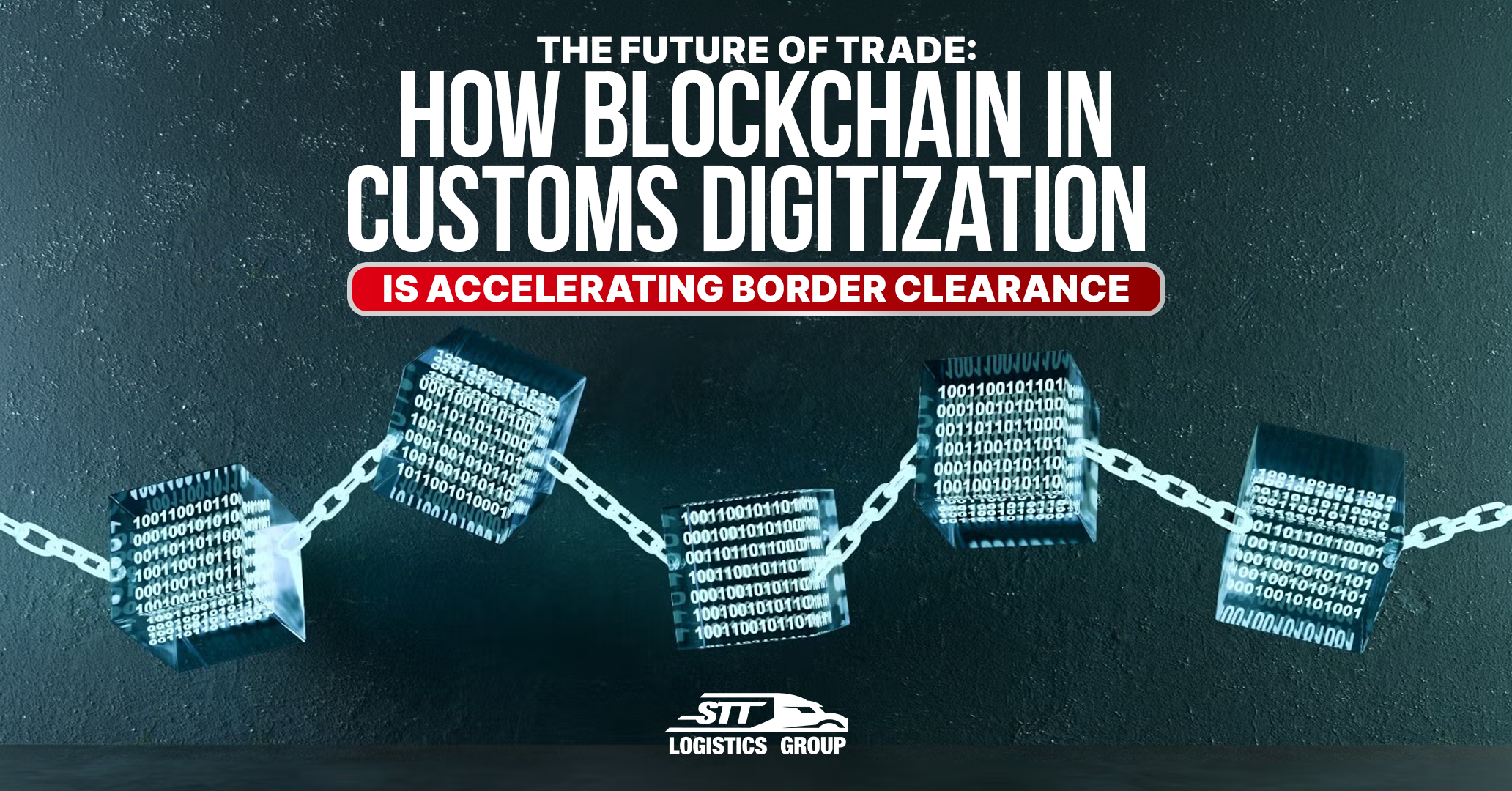

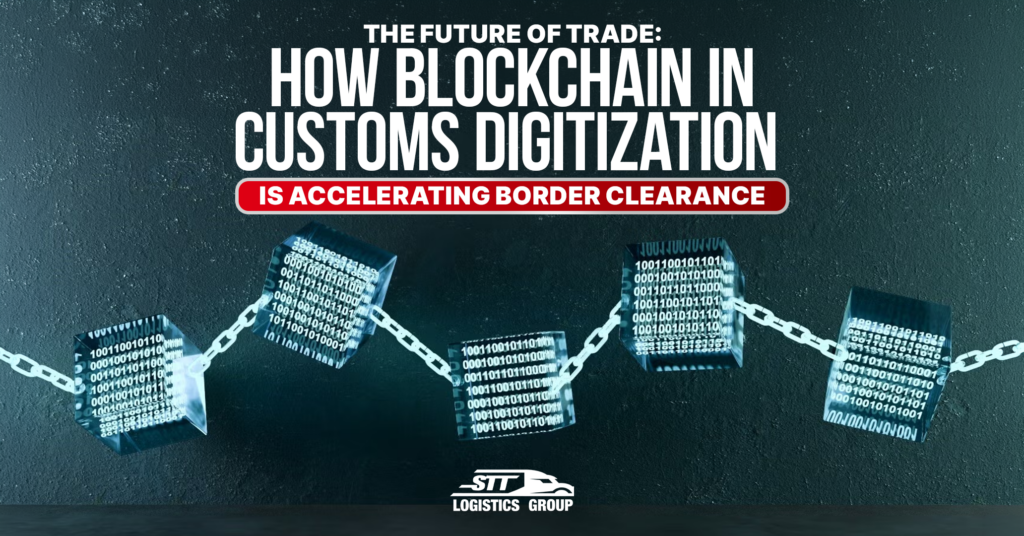
In the fast-paced world of global logistics, speed and security are the two pillars of success. However, traditional paper-based processes often create bottlenecks at international borders. Fortunately, blockchain in customs digitization is emerging as a transformative solution, streamlining how goods move across frontiers.
How Blockchain is Changing the Game
Blockchain technology acts as a decentralized, immutable ledger. In simple terms, once data is entered, it cannot be altered without consensus from all parties involved. Consequently, this creates an environment of radical transparency.
Active Voice: STT Logistics Group actively integrates these digital shifts to provide clients with real-time updates and faster transit times.
Passive Voice: Border delays are significantly reduced by this technology, as manual document verification is replaced by automated digital validation.
Real-World Impact and Statistics
The shift toward a digital border is not just a theoretical concept; it is a global movement backed by hard data. According to the World Trade Organization (WTO), the full implementation of digital trade facilitation measures—including blockchain-backed systems—could reduce global trade costs by an average of 14.3%.
You can read the full report on how digital transformation impacts global trade here: WTO – World Trade Report.
Why Your Supply Chain Needs This Innovation
Because blockchain in customs digitization ensures that every participant (carriers, customs agents, and port authorities) views the same “single version of the truth,” the risk of fraud is minimized. Moreover, the automation of “Smart Contracts” allows for duties and taxes to be calculated and paid instantly.
- Increased Speed: Clearance that used to take days can now be completed in hours.
- Enhanced Security: Data encryption prevents unauthorized tampering.
- Cost Efficiency: Administrative overhead is lowered through the elimination of physical paperwork.
In conclusion, the logistics industry is standing at the threshold of a new era. While the transition requires initial investment, the long-term benefits of blockchain in customs digitization are undeniable for any business looking to stay competitive in 2026.
Ready to Streamline Your Shipments?
Don’t let outdated paperwork hold your business back. At STT Logistics Group, we bridge the gap between complex regulations and seamless delivery.
Contact us today for your FREE QUOTE!
Follow us on our brand-new page for daily industry insights: @sttlogisticsgroup