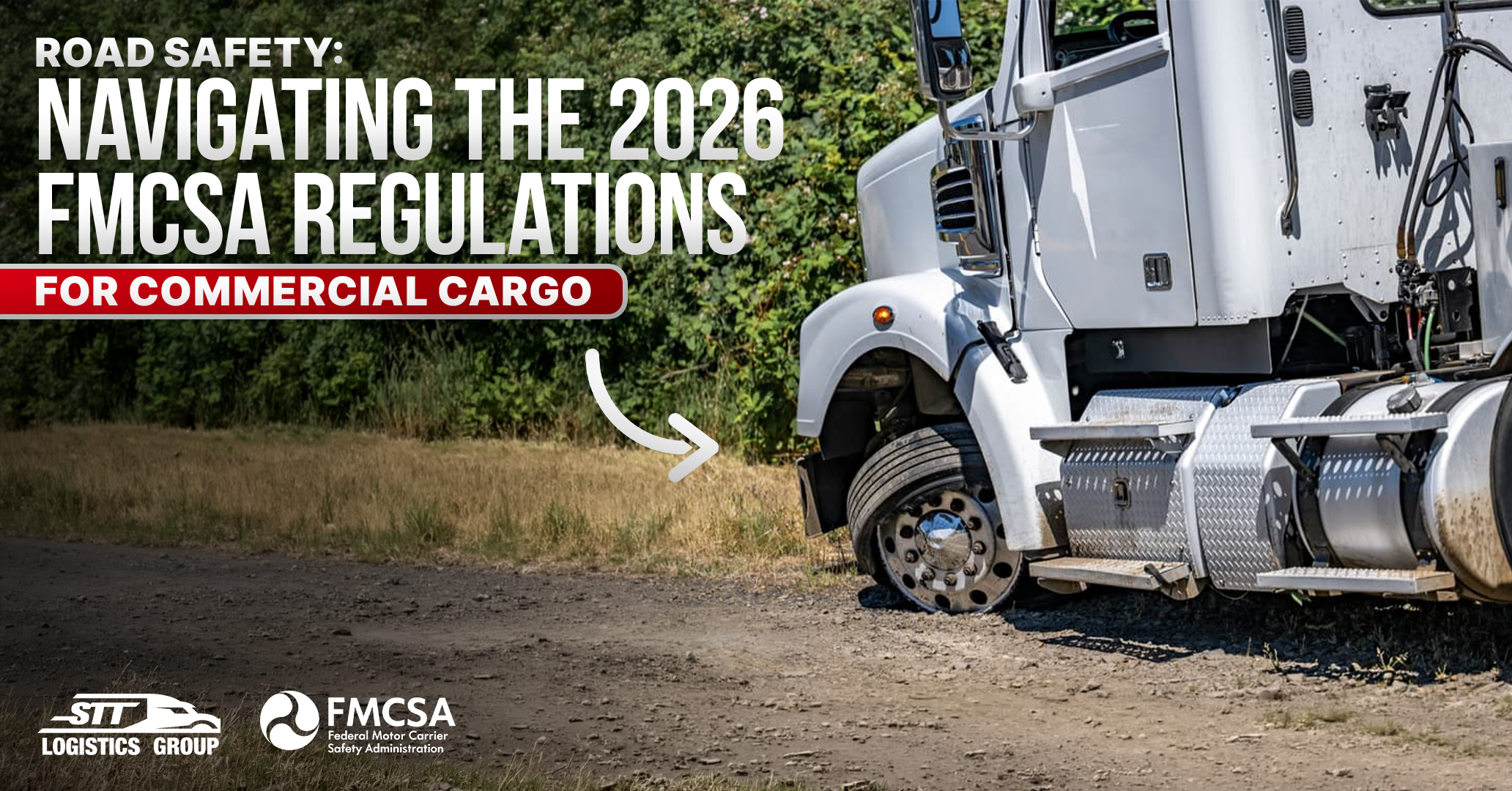

The landscape of the American trucking industry is shifting rapidly as we move further into the year. For owner-operators and fleet managers alike, staying compliant is no longer just about paperwork—it is about survival in a highly regulated market. The 2026 FMCSA regulations have introduced pivotal changes designed to enhance road safety and streamline driver oversight. While these updates might seem daunting, they are essential for maintaining a secure and efficient supply chain.
Major Shifts in Licensing and Eligibility
One of the most significant updates this year concerns the “Final Rule” on non-domiciled Commercial Driver’s Licenses (CDLs). As of March 16, 2026, eligibility for these licenses has been strictly narrowed. Previously, a wider range of work-authorized non-citizens could obtain a CDL; however, the 2026 FMCSA regulations now limit issuance primarily to specific visa holders, such as those under H-2A, H-2B, or E-2 status.
Moreover, a dramatic change in documentation has been implemented. Employment Authorization Documents (EADs) are no longer accepted as standalone proof for a CDL. Drivers must now present unexpired foreign passports along with specific I-94 forms. This shift ensures that every driver behind the wheel of a heavy vehicle has undergone rigorous federal vetting.
Digital Transformation: Medical and Inspection Records
Safety is being reinforced through technology. The days of carrying paper Medical Examiner’s Certificates (MECs) are officially over. Under the 2026 FMCSA regulations, all medical certifications must be verified electronically through the National Registry II system. Consequently, motor carriers are required to check a driver’s physical qualification status directly via their Motor Vehicle Record (MVR).
In addition to medical filing, the FMCSA has intensified its focus on “pencil whipping”—the practice of faking pre-trip inspections. New mandates require electronic Driver Vehicle Inspection Reports (DVIRs) that use digital signatures and time-stamped logs. These tools are used by authorities to cross-reference ELD data, ensuring that maintenance is actually performed rather than just reported.
The Impact on the Industry
The stakes for compliance have never been higher. According to a recent study by the U.S. Chamber of Commerce, the mean award for truck crash litigation reached $27.5 million for cases analyzed leading into this period (Source: Winter-Dent). Because “nuclear verdicts” are becoming more common, the 2026 FMCSA regulations serve as a vital shield for carriers. By following these stricter guidelines, companies can significantly reduce their liability and improve their safety scores.
How STT Logistics Group Can Help
Navigating these complex legal waters is easier when you have a dedicated partner. At STT Logistics Group, we keep your cargo moving while ensuring every load meets the highest safety standards. Whether you are a driver looking for reliable dispatch or a shipper needing secure transport, we stay updated on all 2026 FMCSA regulations so you don’t have to.
Ready to streamline your logistics?
Contact us today for your FREE QUOTE!
Don’t forget to follow our journey and get real-time industry updates on our new page: @sttlogisticsgroup