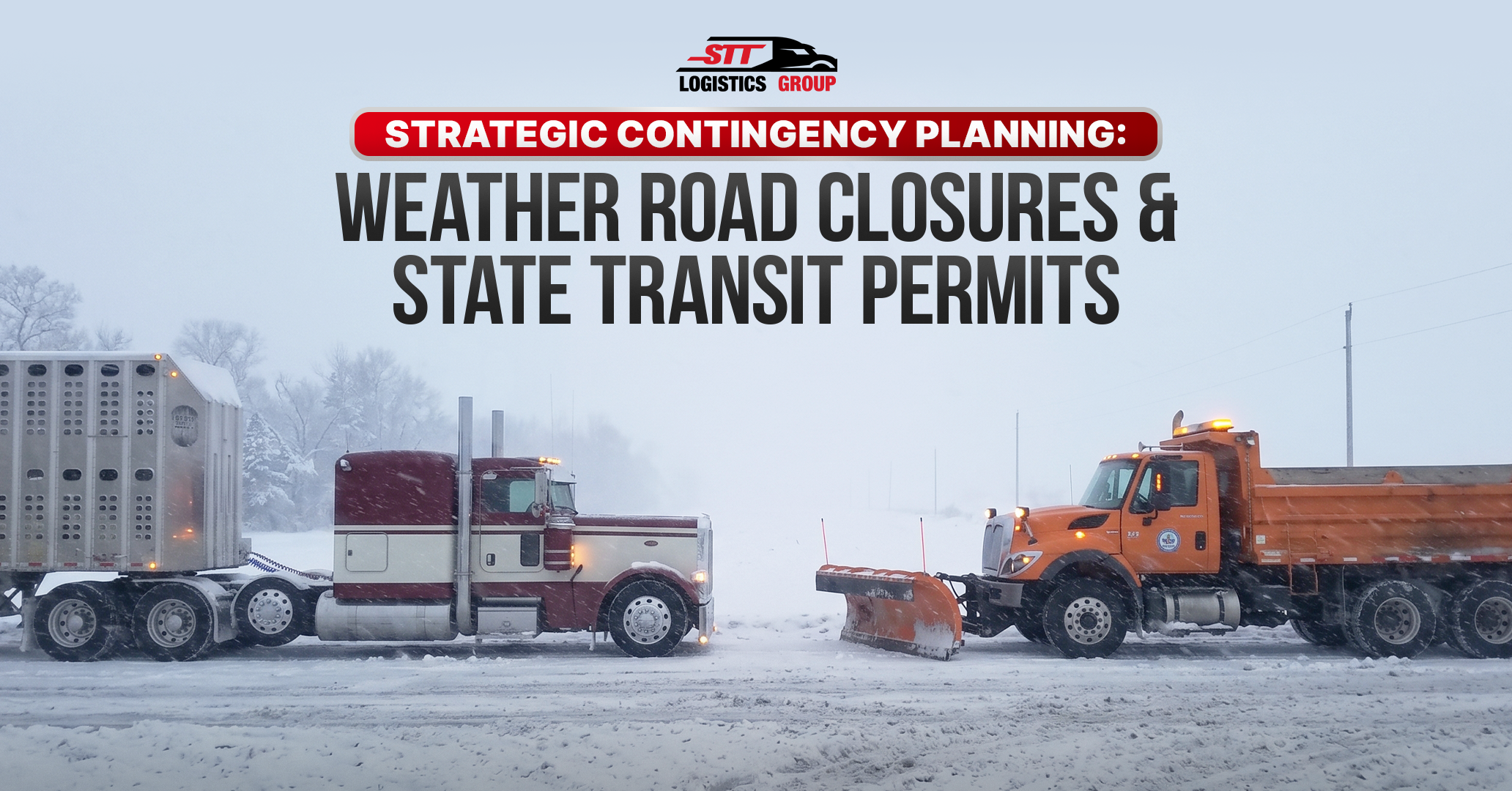
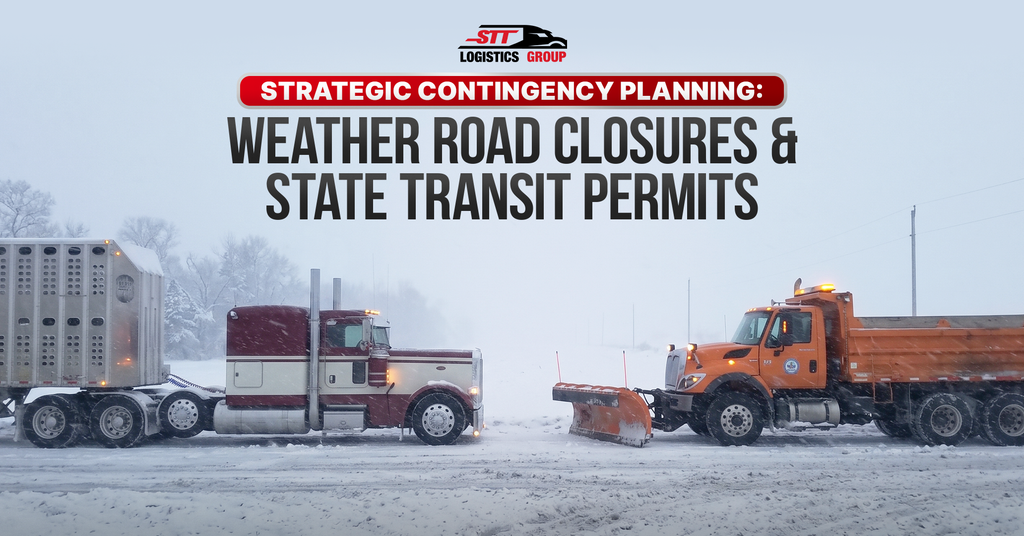
Extreme weather events constantly threaten the transportation industry, creating severe delays that derail supply chain schedules. Severe storms, flooding, and winter freezes frequently cause unexpected road closures across critical freight corridors. Heavy haul shipments face distinct operational hurdles during these disruptions because standard trucks can easily re-route, but oversized loads cannot simply pivot onto local roads. Oversized transport relies on strict, state-issued permits that restrict transit strictly to pre-approved roads, bridges, and schedules.
STT Logistics Group manages emergency detours with specialized planning to ensure your cargo moves continuously without violating state permit compliance.
The High Cost of Unplanned Route Delays
Adverse weather events force unexpected highway closures every year, stranding commercial transport and inflating operational costs. According to research published by the Federal Highway Administration (FHWA), weather-related delays cost the freight industry between $8 billion and $9 billion annually in lost productivity and operational friction.
For oversized or superload freight, these delays compound rapidly. When an unmapped weather event blocks a designated heavy haul corridor, trucks are held in place. Unauthorized detours can result in severe state fines, immediate permit revocations, or structural damage to unrated infrastructure.
How STT Logistics Group Manages Emergency Detours
Developing reliable alternate heavy haul routes requires proactive risk mitigation rather than reactive decision-making. STT Logistics Group mitigates transit delays while maintaining full regulatory compliance through a structured framework:
1. Advanced Route Surveying and Dynamic Monitoring
Potential bottlenecks, low-clearance bridges, and weight-restricted roads are identified long before a rig moves. Our dispatch teams continuously monitor real-time weather forecasts and Department of Transportation (DOT) traffic feeds. Alternate corridors are surveyed during the initial planning phase to prepare functional Plan B options.
2. Fast-Track State Permit Amendments
A major challenge when adjusting a route is that state DOTs mandate precise travel paths for oversized loads. Moving a shipment onto an unapproved road creates immediate legal liability. When weather blocks a path, our compliance specialists communicate directly with state permit offices to fast-track official amendments, securing legitimate alternate heavy haul routes before drivers attempt a detour.
3. Escort and Pilot Car Coordination
Altering a route changes the logistical requirements of the entire escort team. Bridge formulas, overhead clearance clearances, and lane widths must be re-analyzed on the new segment. Our safety coordinators realign lead and rear pilot cars, local police escorts, and bucket trucks to mirror the adjusted transit plan instantly.
4. Direct Driver Communication Protocols
Unplanned route adjustments are communicated to drivers through secure, real-time fleet tracking systems. Clear directions prevent drivers from making unauthorized turns or idling dangerously on highway shoulders during active weather disruptions.
Proactive Planning Keeps Cargo Moving
Securing successful deliveries despite severe weather depends on preparation. By pairing state-level compliance expertise with real-time route management, STT Logistics Group guarantees that emergency detours remain safe, legal, and efficient.
Contact our logistics specialists today to request a free quote on your next heavy haul shipment:
- Get your free quote: sttlogisticsgroup.com
- Follow our new page: Join our community on Instagram and LinkedIn at @sttlogisticsgroup for industry insights, route updates, and heavy haul solutions!