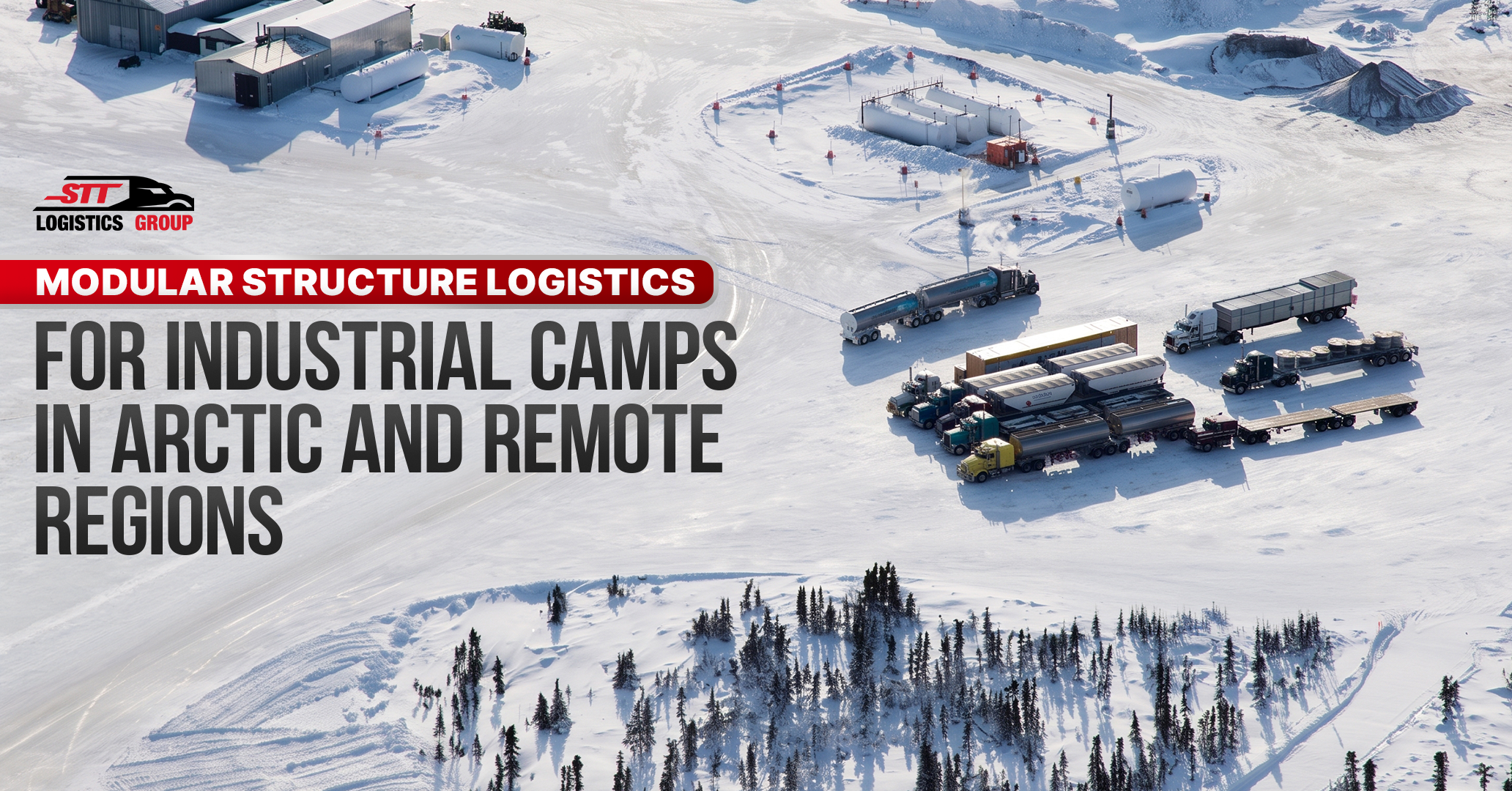

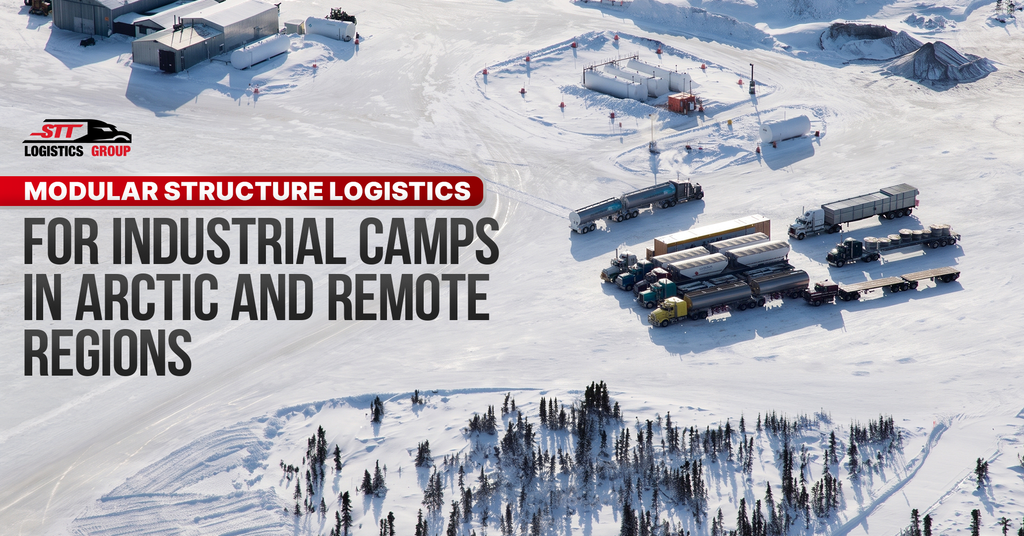
Deploying base camps for construction and engineering personnel in extreme climates presents severe operational challenges. Sub-zero temperatures, unpredictable weather, and frozen terrain can quickly derail projects if transportation is not managed properly. Navigating these harsh environments demands precision, specialized equipment, and detailed planning. When companies choose modular structure logistics, they ensure that workforce accommodations arrive safely and on time, no matter how remote the destination.
Modular structures are ideal for remote camp mobilization because they offer scalable, prefabricated housing and office solutions. However, transporting these large, delicate units across icy corridors requires strict technical planning. For instance, route surveys must be conducted months in advance to identify low-clearance bridges, unstable ice roads, and dangerous grade changes. Oversized transport vehicles are then modified with reinforced suspension systems and thermal insulation to protect sensitive cargo from extreme thermal shock. While weather disruptions cannot be completely prevented, risks are minimized through real-time GPS tracking and dedicated support teams.
Cold-weather operations require strategic timing and specialized execution. According to industry analysis from the Global Supply Chain Institute, supply chain disruption risks increase by up to 30% during winter months due to weather delays, equipment failure, and restricted transit windows. Because of these factors, heavy machinery and transport trucks must undergo cold-weather conditioning to prevent hydraulic fluid freezing and mechanical breakdown. Furthermore, specialized permits for overweight and oversized loads are secured early by logistics experts to avoid costly delays at regional checkpoints.
Execution on the ground relies heavily on balanced field operations. Specialized flatbed trailers and off-road heavy haulers carry the modular units over frozen ice roads. Once the components reach the remote site, trained installation crews unload and assemble the camp modules using heavy-duty mobile cranes. Because every piece is prefabricated, site assembly is completed in days rather than months. As a result, critical housing and operational facilities are made fully functional before severe Arctic blizzards can compromise safety.
Navigating remote environments requires an experienced partner who understands the high stakes of extreme-climate transport. At STT Logistics Group, we deliver end-to-end solutions tailored to your unique project demands, ensuring your remote personnel stay safe, sheltered, and operational.
Ready to mobilize your next remote project without the headache?
Contact STT Logistics Group today to get your FREE QUOTE!
Don’t forget to follow our journey and stay updated with the latest heavy haul insights by following our new page: @sttlogisticsgroup.