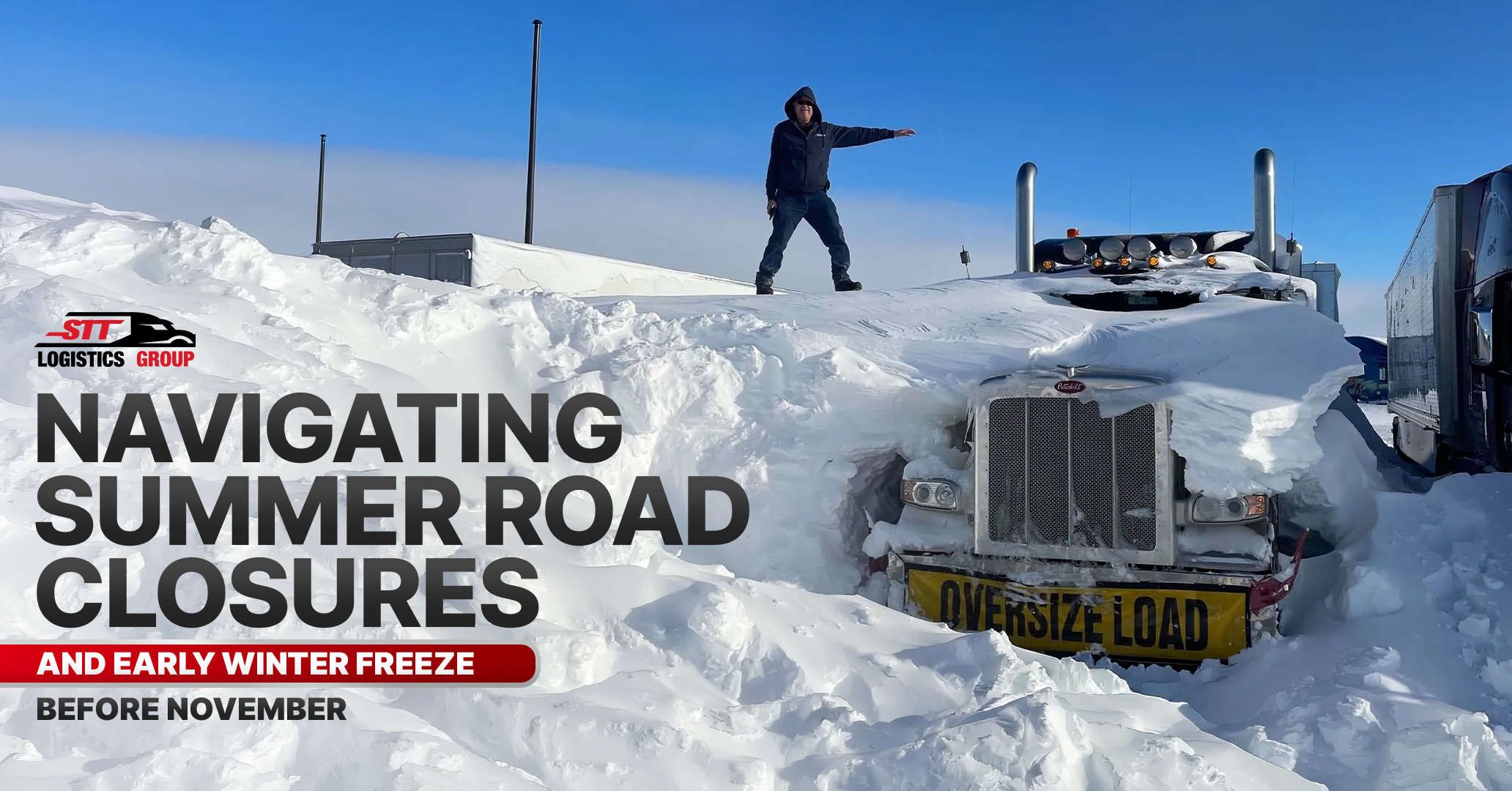
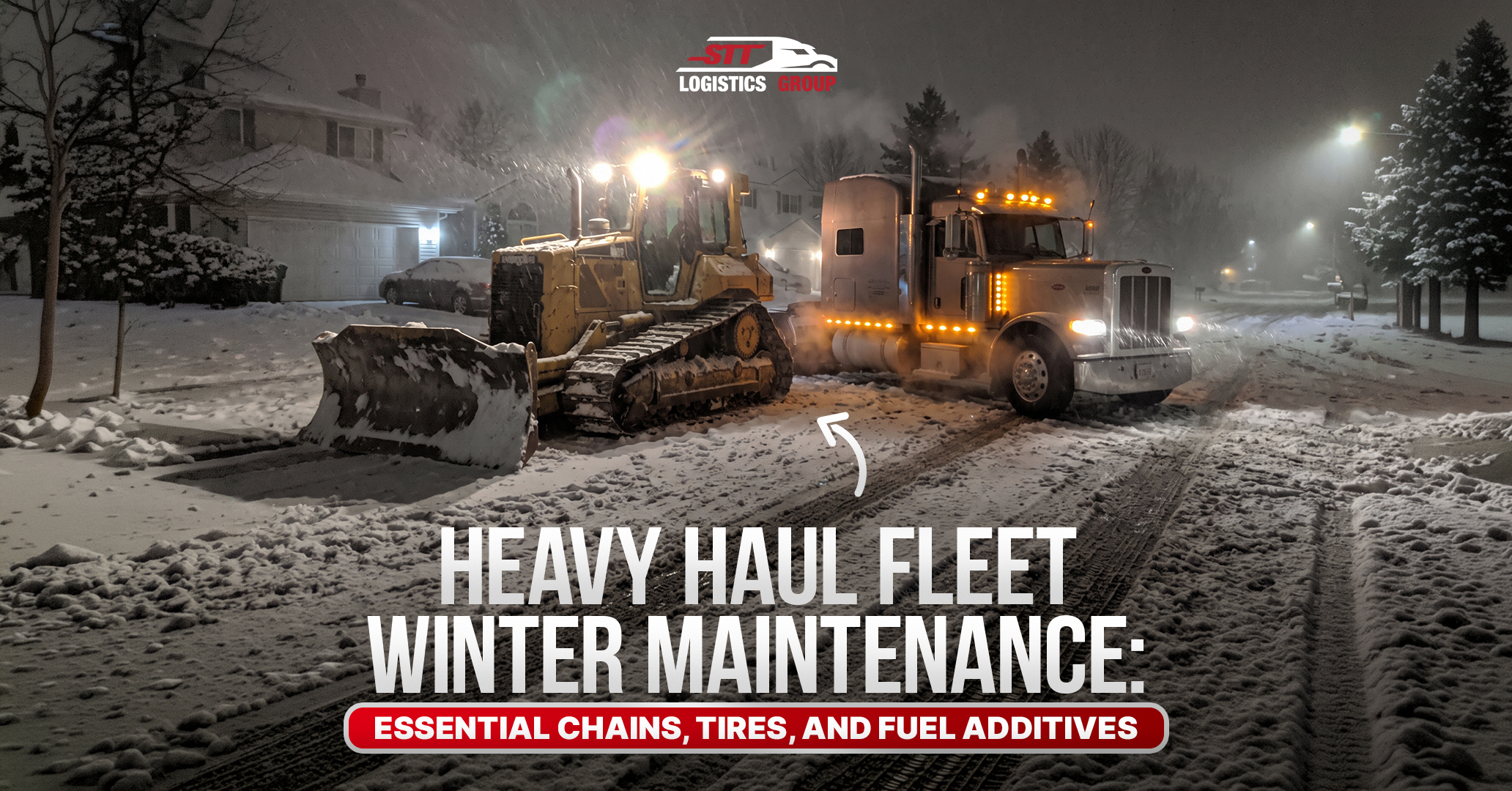

Operating a heavy-haul transport business during severe weather requires meticulous planning and rigorous equipment preparation. When temperature levels drop below freezing, severe operational challenges quickly emerge for heavy-duty commercial vehicles. Fleet managers must implement a proactive heavy haul fleet winter maintenance strategy to safeguard equipment, maintain route schedules, and ensure driver safety across hazardous terrain.
Understanding how severe cold affects both fuel delivery systems and road traction allows operators to prevent costly breakdowns before trucks leave the yard.
1. Preventing Diesel Fuel Gelling: Chemical and Mechanical Defense
Cold weather severely compromises diesel fuel integrity. Standard No. 2 diesel contains naturally occurring paraffin wax. While this wax provides optimal energy density during warm conditions, cold temperatures cause the paraffin to crystallize and solidify—a process known as fuel gelling.
Understanding Wax Appearance and Plugging Points
Two critical temperature thresholds govern fuel performance during cold-weather operations:
- Cloud Point: The temperature at which paraffin wax begins to precipitate out of the solution, creating a cloudy appearance in the fuel tank.
- Cold Filter Plugging Point (CFPP): The lowest temperature at which diesel fuel passes through a vehicle’s primary fuel filter without clogging the media.
When fuel drops below its CFPP, wax crystals quickly starve the engine of fuel, causing immediate power loss or engine shutdown.
Anti-Gel Additive Selection and Dosing Protocols
To prevent fuel gelling, fleet operators rely on anti-gel fuel additives. These specialized chemical treatments do not melt wax; rather, they modify the shape and size of paraffin crystals as they form, keeping them small enough to pass safely through fuel filters.
Crucial Tip: Anti-gel additives must be introduced into the tank before the fuel temperature drops below its cloud point. Treating fuel that has already gelled requires emergency de-icers or heating equipment, leading to unnecessary downtime.
According to a study published by the American Transportation Research Institute (ATRI), severe winter weather and truck parking/maintenance issues significantly drive up carrier operational costs, making preventative winterization essential for maintaining profitability.
2. Traction Preparation on Icy Incline Grades
While chemical additives protect internal fuel systems, mechanical traction equipment protects heavy haul rigs on frozen mountain passes and steep inclines. A loaded heavy-haul transport vehicle demands maximum tire grip to maintain momentum and control.
Winter Tires vs. Snow Chains: When to Deploy
Winter-rated commercial tires utilize specialized rubber compounds engineered to remain flexible in sub-zero temperatures. Deep tread grooves and aggressive siping clear slush and enhance ice traction.
However, when negotiating steep mountain grades covered in hard-packed snow or sheet ice, winter tires alone are insufficient. Heavy-duty tire chains become mandatory safety equipment.
Installation Best Practices for Heavy Haul Configurations
Improperly fitted tire chains can damage air lines, brake chambers, and bodywork, while failing to provide necessary traction.
- Inspect Chain Condition: Verify that cross-links, side chains, and fasteners show no severe wear or cracks prior to deployment.
- Verify Fitment: Fit chains tightly over the drive tires, using cam tighteners or rubber adjusters to eliminate excess slack.
- Follow Local Chain Laws: Many state transportation departments enforce strict chain laws on mountain corridors. Failing to chain up results in heavy fines and dangerous jackknife risks.
Secure Your Heavy Haul Fleet Operations Today
Winter conditions test every aspect of your transport logistics. By combining proactive fuel treatment protocols with proper traction preparation, your fleet will maintain high delivery standards regardless of the weather.
Are you looking for reliable, professional heavy haul logistics support for your next transport project? Contact STT Logistics Group today to get your Free Quote and discover how our specialized services keep freight moving safely year-round.
Don’t forget to follow our new official page at @sttlogisticsgroup for industry updates, fleet tips, and logistics insights!