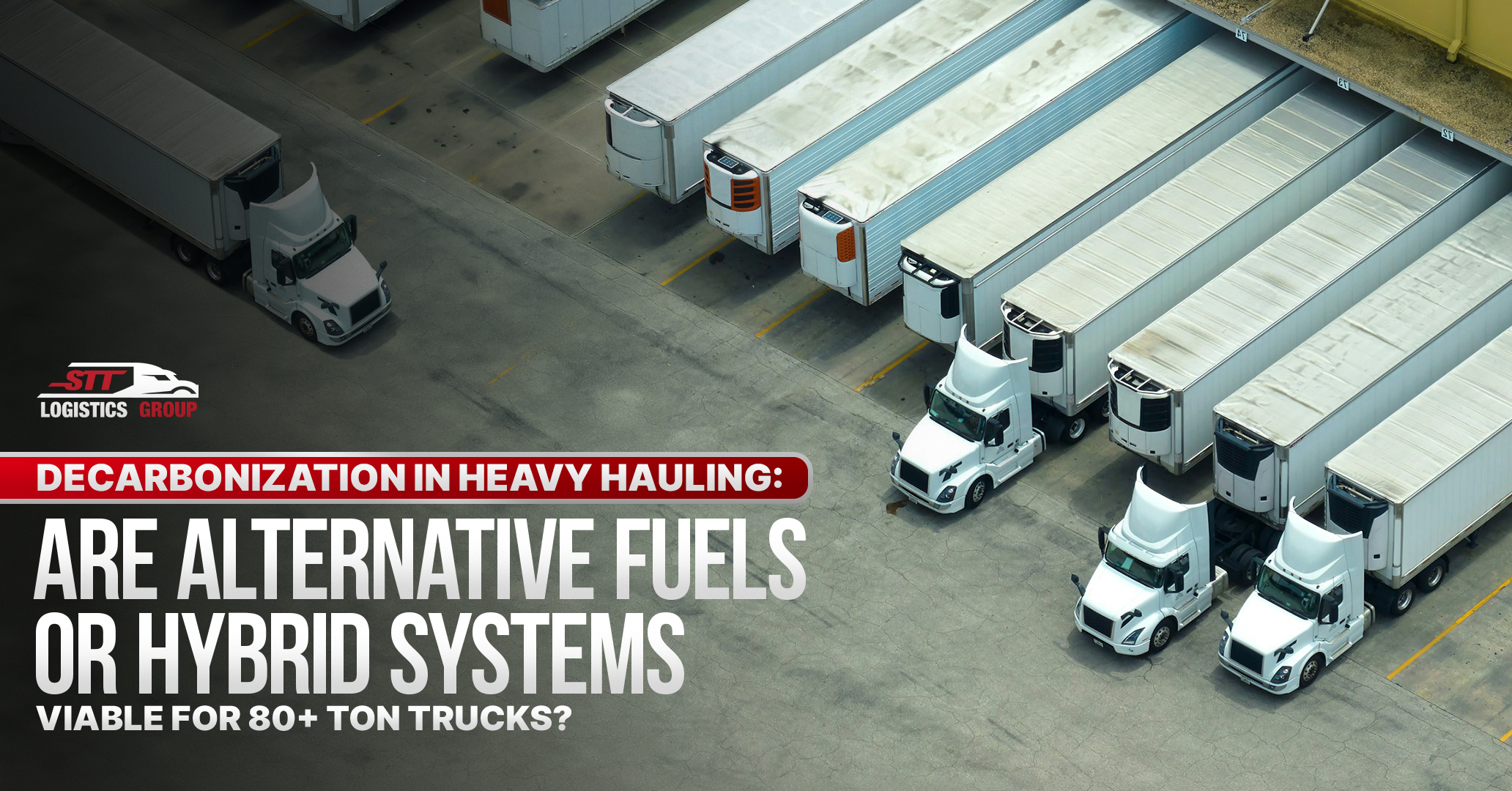

The global logistics industry is facing a massive shift, and sustainability is no longer just a buzzword. Fleet managers everywhere are pressured to reduce emissions. However, when it comes to extreme loads, the challenge becomes significantly harder. Decarbonization in heavy hauling—specifically for tractortrucks moving over 80 tons—presents unique engineering and logistical hurdles.
Can we actually rely on alternative fuels or hybrid systems to pull these massive loads, or is the technology still a distant dream? Let’s dive into the current reality of sustainable heavy transport.
The Reality of Moving 80+ Tons
Heavy-duty trucks require an immense amount of torque and sustained energy to move oversized cargo. While battery-electric vehicles (BEVs) work wonderfully for last-mile delivery, they often struggle with extreme weight.
- The Weight Penalty: To move 80+ tons over long distances, an electric truck requires a massive battery. Consequently, the weight of the battery itself reduces the payload capacity of the trailer.
- Infrastructure Gaps: High-powered megawatt charging stations are still rare. Therefore, long-haul heavy haulers cannot rely solely on pure electric power today.
Because of these limitations, alternative solutions are being aggressively tested by the industry.
Alternative Fuels: Hydrogen and Biofuels
Alternative fuels are currently viewed as one of the most promising pathways for decarbonization in heavy hauling. Among them, Hydrogen Fuel Cell Electric Vehicles (FCEVs) and Renewable Diesel (HVO) are leading the charge.
- Hydrogen Fuel Cells: Hydrogen offers a high energy density and fast refueling times, which closely mimic traditional diesel operations. As a result, heavy loads can be pulled over long distances without the massive weight penalty of standard batteries.
- Renewable Diesel (HVO): This is a “drop-in” fuel, meaning it can be used in existing diesel engines without modifications. It reduces greenhouse gas emissions by up to 90%, making it an excellent immediate solution.
According to a comprehensive study by the International Energy Agency (IEA), trucks and buses account for over one-third of global transport CO2 emissions, despite making up only a small fraction of the vehicles on the road. The IEA emphasizes that achieving net-zero requires a rapid deployment of both zero-emission powertrains and low-carbon fuels for heavy-standing operations.
Are Hybrid Systems the Sweet Spot?
While pure electric might not be ready for 80+ tons, hybrid systems are bridging the gap effectively. Hybrid tractortrucks combine a traditional internal combustion engine with an electric motor.
During uphill climbs or initial acceleration—when the truck demands maximum torque—the electric motor assists the engine. Conversely, during braking, energy is recaptured and stored. This balance ensures that fuel consumption is drastically reduced while the truck maintains the raw power needed to haul heavy freight.
Ultimately, hybrid systems offer a realistic, legally compliant, and immediate step toward decarbonization in heavy hauling without sacrificing operational reliability.
The Bottom Line
Is total decarbonization in heavy hauling viable today for 80+ ton loads? The short answer is: we are getting there, but it takes a hybrid approach. While pure electric trucks aren’t quite ready for the heaviest loads, a combination of hybrid systems, hydrogen research, and renewable biofuels is actively paving the way forward.
At STT Logistics Group, we keep our eyes on the future of freight so your cargo moves efficiently, safely, and sustainably.
Ready to Move Your Heavy Freight?
Don’t let logistics challenges slow you down. Contact STT Logistics Group today to speak with our heavy haul experts and get your Free Quote!
Also, make sure to stay connected with us! Follow our brand-new page on Instagram/LinkedIn at @sttlogisticsgroup for the latest industry insights, fleet updates, and logistics tips.