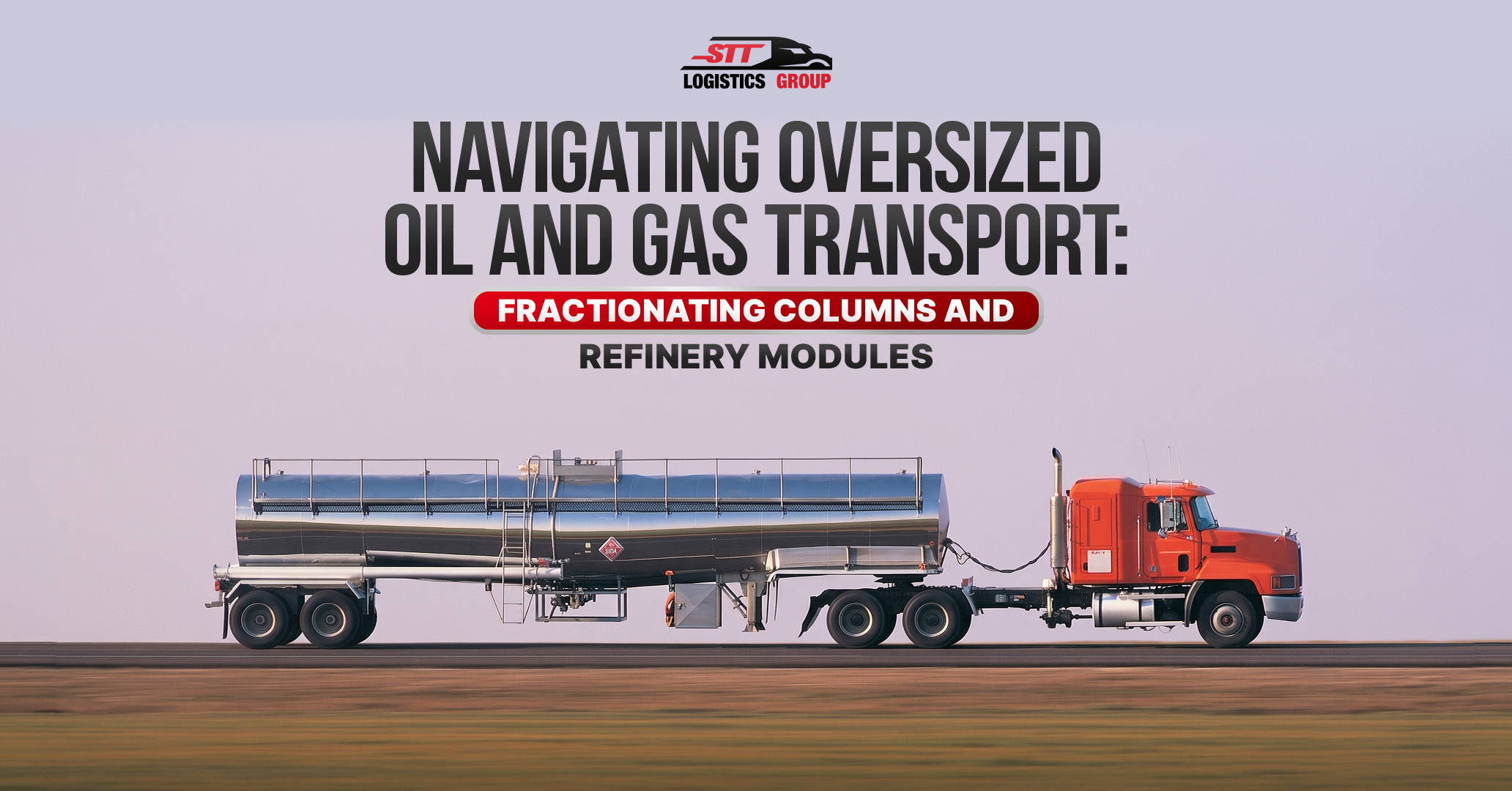


Photo by Yunus Susanto on Vecteezy: A luxury yacht on a beach on a tropical island
Transporting a boat is a whole different ballgame from standard freight. While it’s easy to imagine a vessel gliding over the river or ocean, the moment it leaves the water, it becomes oversized, delicate, and full of challenges. From modest fishing boats to 50-foot yachts, marine cargo demands more than horsepower—it takes the right trailers, protective equipment, and logistics expertise to get the job done safely.
At STT Logistics Group, we specialize in oversized transportation for boats, yachts, and marine equipment. Our team provides end-to-end solutions for moving high-value vessels securely both across state lines and international borders. Through careful route planning, specialized trailers, and protective support systems, we help clients avoid “rocking the boat” with costly damage, delays, and compliance issues.
Let’s look more closely at how STT keeps your marine cargo moving—securely and efficiently.
The Challenges of Moving Boats on Land
Transporting boats over land introduces risks that simply don’t exist on the water. The very design features that make vessels seaworthy—their sleek, beautifully shaped hulls, their sensitive components, their extended keels—become vulnerabilities when faced with the perils of the road.
- Narrow roads
- Low bridges
- Rough or uneven terrain
These hazards, combined with oversized dimensions that often exceed legal road limits, make moving boats a complex operation. Permits, escorts, and specialized routing are usually required to comply with state or cross-border regulations. Without meticulous planning, transport delays and costly fines are common.
Structural damage is another major concern. A poorly supported hull or unsecured keel can flex under the stress of highway transport, causing cracks, cosmetic damage, or hidden weaknesses. Weather exposure adds further risk—rain, dust, or debris during transit can compromise high-value finishes or sensitive electronics.
In short, successful boat transportation is reliant on a customized logistics plan that protects your asset at every stage. At STT, that means deploying tailored equipment, route surveys, and expert handling to safeguard your vessel—no shortcuts, no surprises.
Planning, Permits & Oversized Load Compliance
Since every vessel and every haul is different, STT conducts detailed pre-transport surveys to assess clearance restrictions, road conditions, and vessel specifications. Based on this, we select the optimal equipment combination to keep your marine asset protected throughout the journey.
Boat transportation often qualifies as an oversized load—and that brings with it strict regulatory requirements. Exceed permitted dimensions or overlook safety protocols, and you risk fines, delays, or roadside shutdowns.
At STT Logistics Group, oversized load compliance is built into our process from day one. Our team handles permits, escorts, and routing to ensure smooth, legal transport for even the most challenging marine shipments—it really is “all hands on deck” when it comes to working together to achieve a safe transit.
Typical oversized thresholds include:
– Width: Over 2.6 meters (8 ft 6 in)
– Height: Over 4.25 meters (13 ft 11 in)
– Length: Over 12 meters (39 ft 4 in)
– Gross Vehicle Weight: Over 66,000 kg (145,505 lbs)
For vessels exceeding these limits, STT coordinates:
✔️ Route surveys to identify clearance challenges
✔️ Escort vehicles with height poles and visual warnings
✔️ Permit applications across state lines or international borders
✔️ Real-time updates to manage delays or route adjustments
Our focus is preventing avoidable issues, which may crop up at border crossings, weigh stations, low-clearance areas, or when winding down narrow rural roads.

Photo by Adam Widmer on Vecteezy: A colorful fishing boat—do you need to transport a vessel like this?
Essential Equipment & Protection for Safe Boat Transport
Without the right equipment, vessels being moved by road risk structural damage, transport delays, or compliance violations. At STT Logistics Group, we put a lot of effort into matching every vessel to a purpose-built transport solution. This ensures protection, stability, and legal compliance from start to finish.
The equipment we use depends on factors such as vessel type, size, weight distribution, and route conditions. We use adjustable and extendable trailers to achieve safe and efficient boat transportation. Here are some examples:
| Equipment Type | Best For |
| Flatbed Trailers | Smaller boats, personal watercraft, fishing skiffs |
| Extendable Trailers | Longer vessels exceeding standard trailer limits |
| Drop-Deck Trailers | Tall vessels requiring reduced transport height to clear obstacles |
| Multi-Axle Trailers | Heavy, oversized vessels requiring distributed load to avoid road damage |
| Custom Cradles & Supports | Even weight distribution to prevent hull flexing or damage |
| Vibration Dampening Systems | Protecting sensitive components from road shock and vibration |
Beyond trailers and cradles, we employ additional safety measures tailored to marine cargo. These include:
✔️ Adjustable keel supports for sailboats
✔️ Soft-touch cradle padding to protect gelcoat finishes
✔️ Industrial-grade tie-downs preventing movement during transit
✔️ Weather-resistant covers shielding vessels from debris and road conditions
Our teams combine advanced securing techniques with purpose-built protective systems to safeguard marine cargo, from small recreational boats to multi-million-dollar yachts. We handle marine cargo with the same care as the manufacturers who built it. The aim is for your vessel to arrive ready for the water—not the repair shop!
International Boat Shipping: Moving Your Boat Like it’s Our Own
Transporting boats across borders or oceans requires logistics far beyond standard road moves. STT Logistics Group provides international boat shipping solutions designed to protect your vessel at every stage of the journey.
For overseas transport, we utilize:
✔️ Flat-rack container shipping: Ideal for oversized boats that won’t fit in standard containers. Flat racks allow for secure bracing while ensuring compliance with international shipping standards.
✔️ Roll-on/Roll-off (RORO) integration: For vessels that can be transported on their own trailers or custom supports. STT coordinates seamless RORO handoff, minimizing handling risks during port operations.
✔️ Custom shipping cradles: Engineered for ocean transport, these cradle systems stabilize the boat’s structure, protecting sensitive components and finishes from movement or vibration en route.
✔️ Marine-grade protective wrapping: Shields exposed surfaces from salt spray, moisture, and debris during vessel transit or port layovers.
Knowing how to deal with global shipping lanes, port requirements, and customs regulations requires precision planning. STT manages every detail—whether your vessel is moving from the U.S. to Europe, the Caribbean, or further afield.
We provide tailored international solutions so that your boat arrives safely at its destination.
What Impacts Boat Transport Costs?
The cost of transporting a boat varies based on several factors. Understanding these can help you plan your logistics budget and avoid unexpected expenses.
Key factors include:
- Vessel size and weight: Naturally, larger or heavier boats require specialized trailers, more permits, and often escort vehicles.
So transporting a 45-foot yacht with an extended keel isn’t the same as hauling a small fishing skiff—it demands extendable trailers and multi-axle setups, plus support systems designed to handle the load safely. - Route distance: Longer hauls will increase what you pay out for fuel, labor, and equipment costs.
Moving your vessel 100 miles down the highway is one thing, but relocating it from Florida to the Pacific Northwest? That involves complex routing and overnight driver teams which—you guessed it—significantly higher operational costs.
- Permits and escorts: Oversized dimensions trigger additional compliance expenses, especially for those cross-border moves.
A sailboat exceeding legal height limits may require escort vehicles with height poles and flashing warnings—not to mention the stack of permits needed to navigate state lines or country borders legally.
- Access challenges: Remote pickup or delivery locations can require additional planning or equipment.
If your boat’s stored at a secluded marina, down narrow roads or rough terrain, we may need specialized trailers, smaller support vehicles, or even crane services to safely extract and load your precious cargo.
- Weather protection: Services like shrink-wrapping or custom covers may be recommended to protect finishes or sensitive components.
High-end yachts with delicate gelcoats or exposed electronics often benefit from full protective wrapping to shield them from road debris, dust, and unpredictable weather conditions during transit. - International requirements: Ocean shipping, customs clearance, and port fees add to overall costs for global transport.
Sending your boat overseas involves documentation, cradle engineering for sea conditions, and dealing with customs protocols at both departure and arrival ports.
At STT, we always provide comprehensive and transparent quotes tailored to your vessel and journey, so there are no surprises along the way.
Common Mistakes to Avoid in Marine Transport
Here are some of the most common mistakes that can lead to delays, damage, or costly repairs:
🚩 Inadequate securing: Poor tie-downs or cradle placement can result in structural strain, hull flexing, or cosmetic damage.
🚩 Ignoring route restrictions: Low bridges, narrow roads, or uneven terrain can turn into logistical nightmares without proper planning.
🚩 Choosing inexperienced carriers: Not all transport providers understand the intricacies of marine cargo—especially oversized loads.
🚩 Skipping protective measures: Unwrapped boats are vulnerable to weather, road debris, and vibration damage.
| Real-World Example by STT Logistics A recent STT project demonstrates how preparation and precision keep marine cargo moving—regardless of complexity. The team was tasked with transporting a high-value boat over 2,000 miles, from Lewisville, Texas to Lake Tapps, Washington. With a tight delivery window and long-distance routing, flawless execution was critical. STT coordinated every detail, beginning with shrink-wrapping the vessel to protect it from road debris and weather exposure. Our team arranged for specialized securement on a flatbed trailer, ensuring even weight distribution and structural protection across the lengthy haul. Despite scheduling constraints, STT’s dispatchers and driver team collaborated to meet the client’s timeline—successfully completing an after-hours delivery at the final destination. The result? On-time, damage-free arrival with the customer’s schedule intact. For oversized boat moves across North America, STT’s focus on responsibility and reliability ensures every vessel is delivered safely—ready for the water. |
Let’s Make Sure It’s All Plain Sailing for Your Boat Transportation!
Ready to move your vessel? Our team provides tailored solutions for boats, yachts, and marine equipment—whether by land or sea.