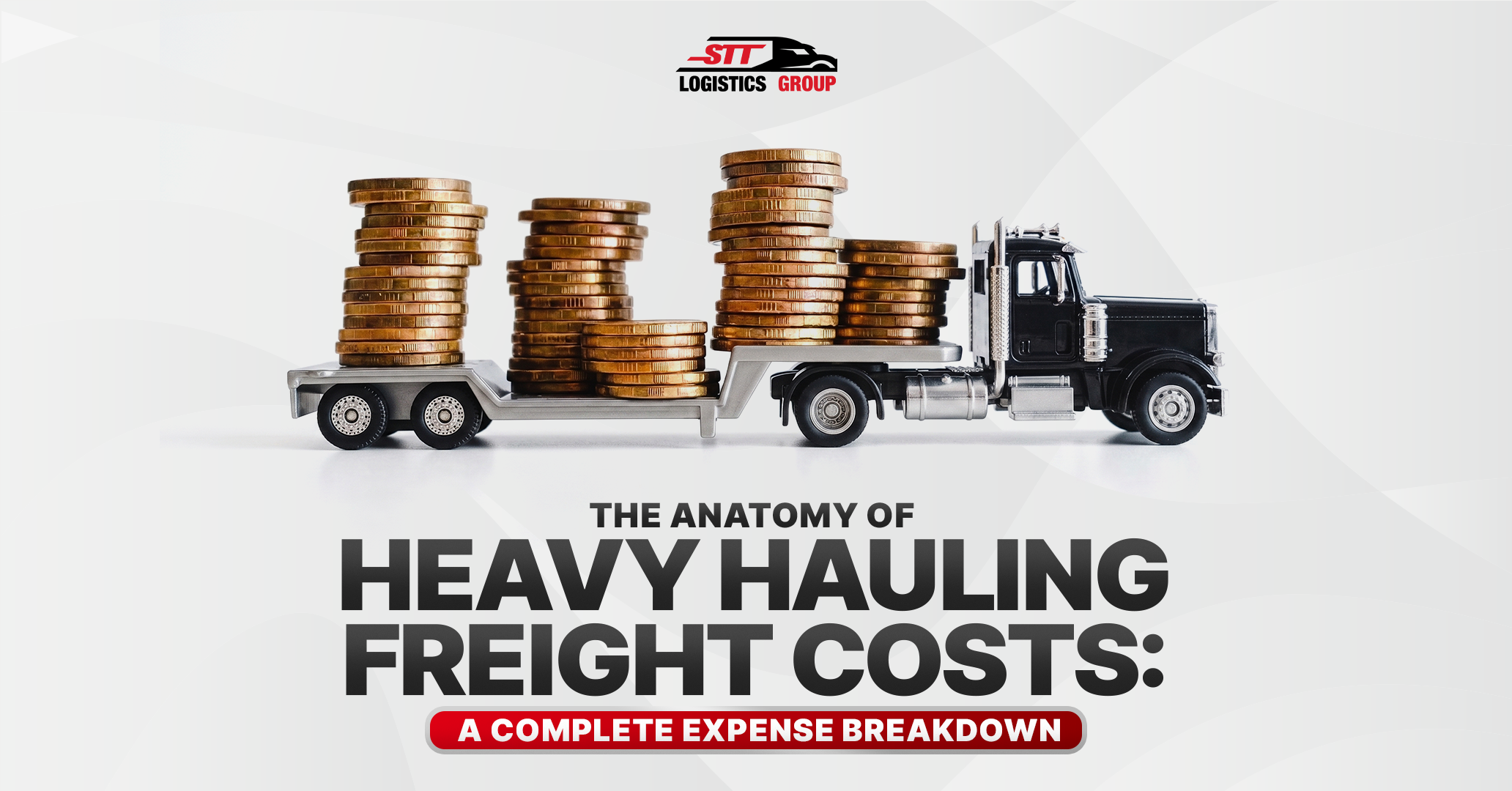

Transporting oversized or super-heavy loads requires meticulous planning, precise execution, and an understanding of specialized transportation pricing. When managing massive machinery or industrial equipment, structuring heavy hauling freight costs correctly protects your project budget from unexpected expenses.
To help you navigate these complex logistics, we have broken down the primary components that determine your total heavy haul investment.
1. Fuel Consumption & Route Efficiency
Heavy haul transport vehicles pull extreme weights, which dramatically increases diesel consumption compared to standard dry van or flatbed shipping.
- Fuel efficiency drops significantly as axle weights rise.
- Drivers often must follow state-mandated, indirect routes to bypass low bridges or weight-restricted roads, adding extra miles to the trip.
While fuel prices fluctuate constantly, route optimization directly minimizes unnecessary mileage and overall fuel burn.
2. Escort Vehicles & Pilot Cars
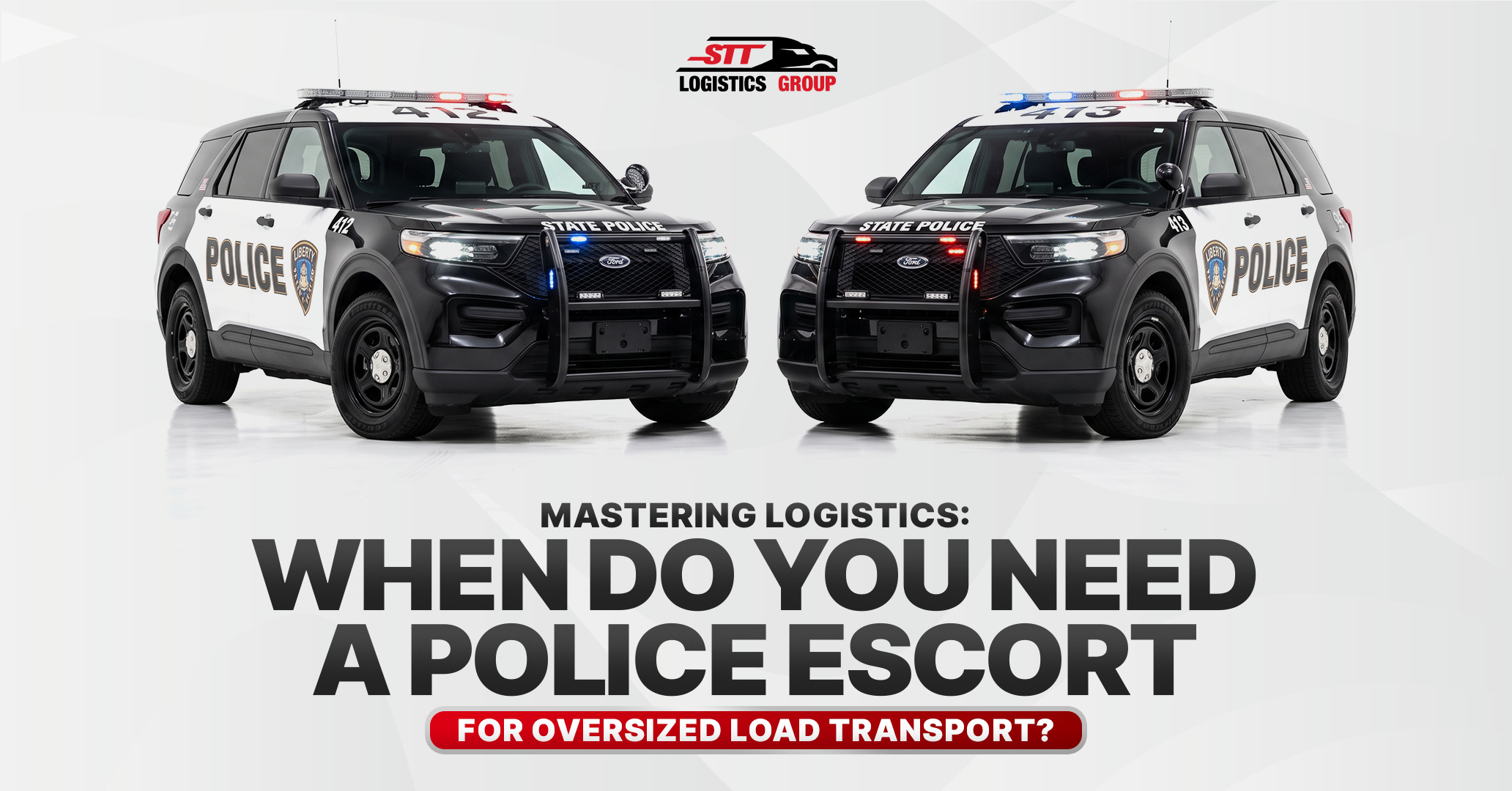
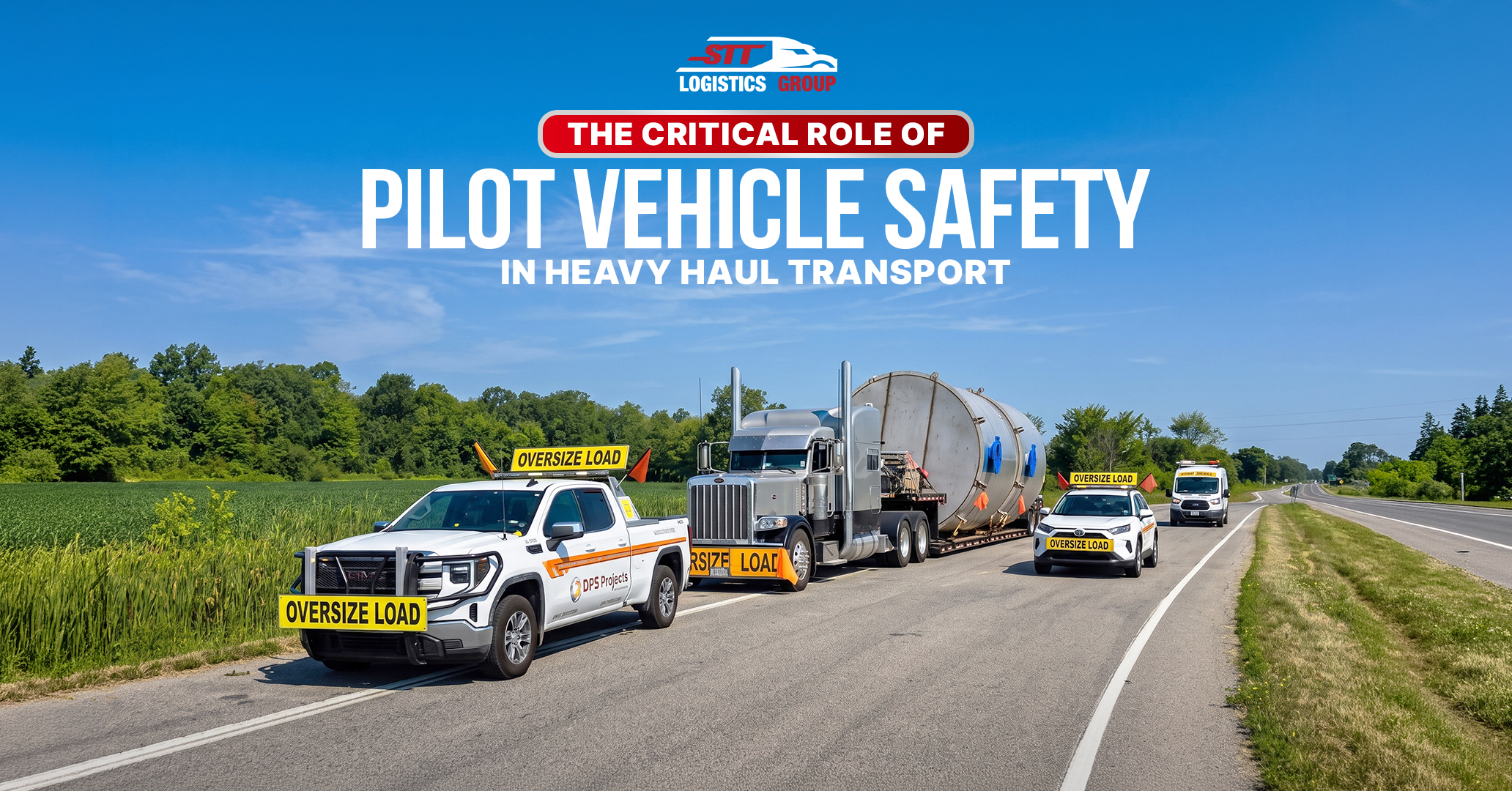
Safety guidelines require escort vehicles (pilot cars) to accompany oversized loads across almost all jurisdictions.
- Front Escorts: Warn oncoming traffic, check height clearance, and navigate tight intersections.
- Rear Escorts: Monitor traffic trailing behind the load and ensure safe lane changes.
Depending on the length, width, or height of your shipment, state regulations may require one, two, or even continuous police escorts. According to industry analyses, specialized transit requirements like escort services, route surveys, and police details can represent anywhere from 15% to 30% of total heavy haul transportation expenses, making early route verification essential.
3. State Permits & Escort Regulations
You cannot move an oversized load on public highways without valid permits. Permit fees are assessed on a state-by-state basis and are calculated based on:
- Total dimensions (Width, Height, Length)
- Gross vehicle weight (GVW) and axle distribution
- Total distance traveled within state lines
Because every state maintains unique weight limits and curfew rules (such as prohibiting movement during weekend hours or nighttime), delays can accumulate rapidly if permits are not secured well in advance.
4. Specialized Equipment & Trailer Selection
Matching the right trailer configuration to your cargo is critical for safety and compliance. Heavy haul shipping relies heavily on specialized trailers:
- RGNs (Removable Gooseneck): Ideal for drive-on heavy equipment.
- Step Deck / Drop Deck Trailers: Used to lower the overall height of taller cargo.
- Multi-Axle Multi-Trailer Systems: Engineered to distribute extreme weight across many points.
Because specialized trailers require higher capital investment and regular maintenance, their usage rate is reflected in the base rate of your quote.
Get a Free Quote with STT Logistics Group Today
Managing heavy haul logistics doesn’t have to be overwhelming. When you partner with experienced freight specialists, transparent pricing and compliant routes are guaranteed from start to finish.
Ready to transport your oversized load safely and efficiently? Contact STT Logistics Group today for your free quote!
Don’t forget to follow our new official page @sttlogisticsgroup to stay updated on industry insights, transport tips, and real-time project highlights!