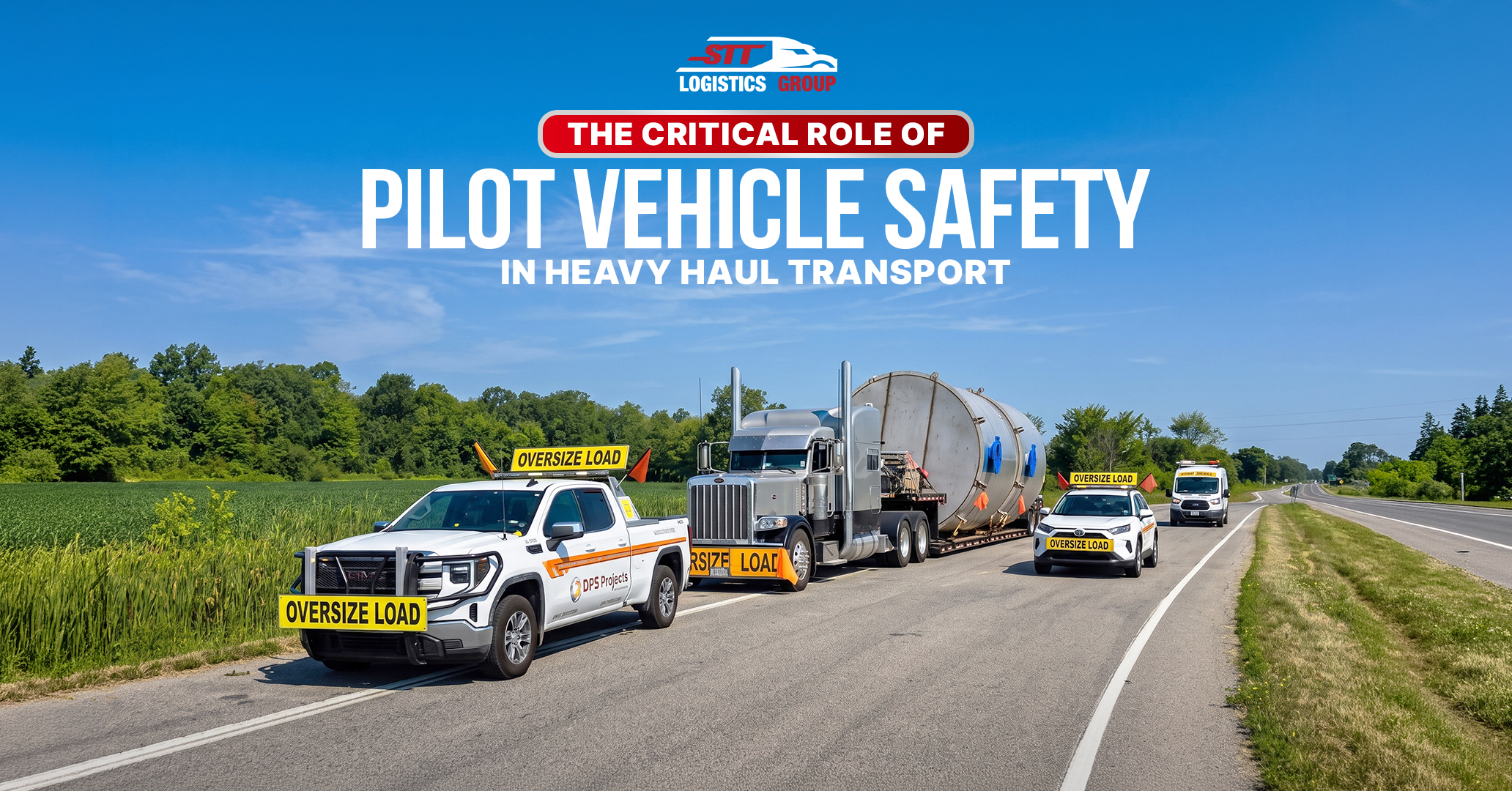


Transporting oversized loads requires meticulous planning, precision, and specialized equipment. Beyond the massive truck and trailer, another essential player ensures the mission runs smoothly: the escort truck. Understanding pilot vehicle safety in heavy haul operations reveals how these escort teams protect truck drivers, surrounding motorists, and valuable cargo on public highways.
Pilot vehicles serve as the eyes and ears of an oversized transport team. They spot hazards early, guide giant trucks through tight spaces, and alert drivers to changing road conditions.
Radio Coordination: The Communication Lifeline
Clear communication keeps heavy haul operations safe and controlled. Escort drivers use CB radios and dedicated frequencies to maintain constant contact with the truck driver.
While the heavy haul driver focuses on controlling a vehicle that can weigh over 100,000 pounds, the front escort scout ahead. The escort driver reports upcoming bridge clearances, tight turns, lane closures, or sudden traffic slowdowns. Meanwhile, the rear pilot vehicle monitors trailing traffic and prevents unsafe passing maneuvers. Effective radio coordination eliminates guesswork, ensuring smooth lane changes and timely stops before potential hazards turn into accidents.
Stopping Distances: Respecting the Laws of Physics
A standard passenger car traveling at 65 mph requires about 300 feet to stop completely. In contrast, a fully loaded heavy haul truck can require over 520 feet to come to a complete stop—nearly the length of two football fields.
Because stopping distances expand drastically with extreme weight, pilot vehicle safety in heavy haul relies heavily on maintaining proper buffer zones.
According to data compiled by the Federal Highway Administration (FHWA), oversized load escorts reduce highway incidents by creating crucial visual and physical buffers between heavy freight and general traffic.
Pilot vehicles positioning themselves far enough ahead allow the truck driver ample time to react. If a hazard appears on the highway, the lead escort alerts the team immediately, allowing the heavy transport to slow down gradually rather than making a dangerous hard brake.
High-Visibility Warning Signals and Lighting
Warning signals provide immediate cues to surrounding motorists, encouraging them to yield and proceed with caution. Pilot vehicles use several visual tools:
- Amber Strobe Lights: High-intensity LED lightbars mounted on the roof provide 360-degree visibility, alerting traffic from miles away.
- “OVERSIZED LOAD” Banners: Heavy-duty, high-visibility banners clearly mark both the front and rear escort vehicles.
- Safety Flags: Bright red or orange flags placed at the extreme corners of the vehicle signal width boundaries to oncoming drivers.
- Height Poles: Lead pilot vehicles use calibrated vertical poles to physically test overhead clearance under bridges and power lines before the load reaches them.
By combining bright visual warnings with strategic positioning, pilot vehicles significantly lower risk factors on busy transport corridors.
Partnering with the Experts in Heavy Haul
Executing a safe heavy haul operation demands expertise, compliance, and seamless execution. At STT Logistics Group, pilot vehicle safety in heavy haul is built directly into every transport route we manage.
Ready to transport your heavy equipment safely and efficiently across the country?
Contact STT Logistics Group Today to Get Your Free Quote!
Don’t forget to follow our brand-new official social media page @sttlogisticsgroup for industry insights, project updates, and heavy haul tips!