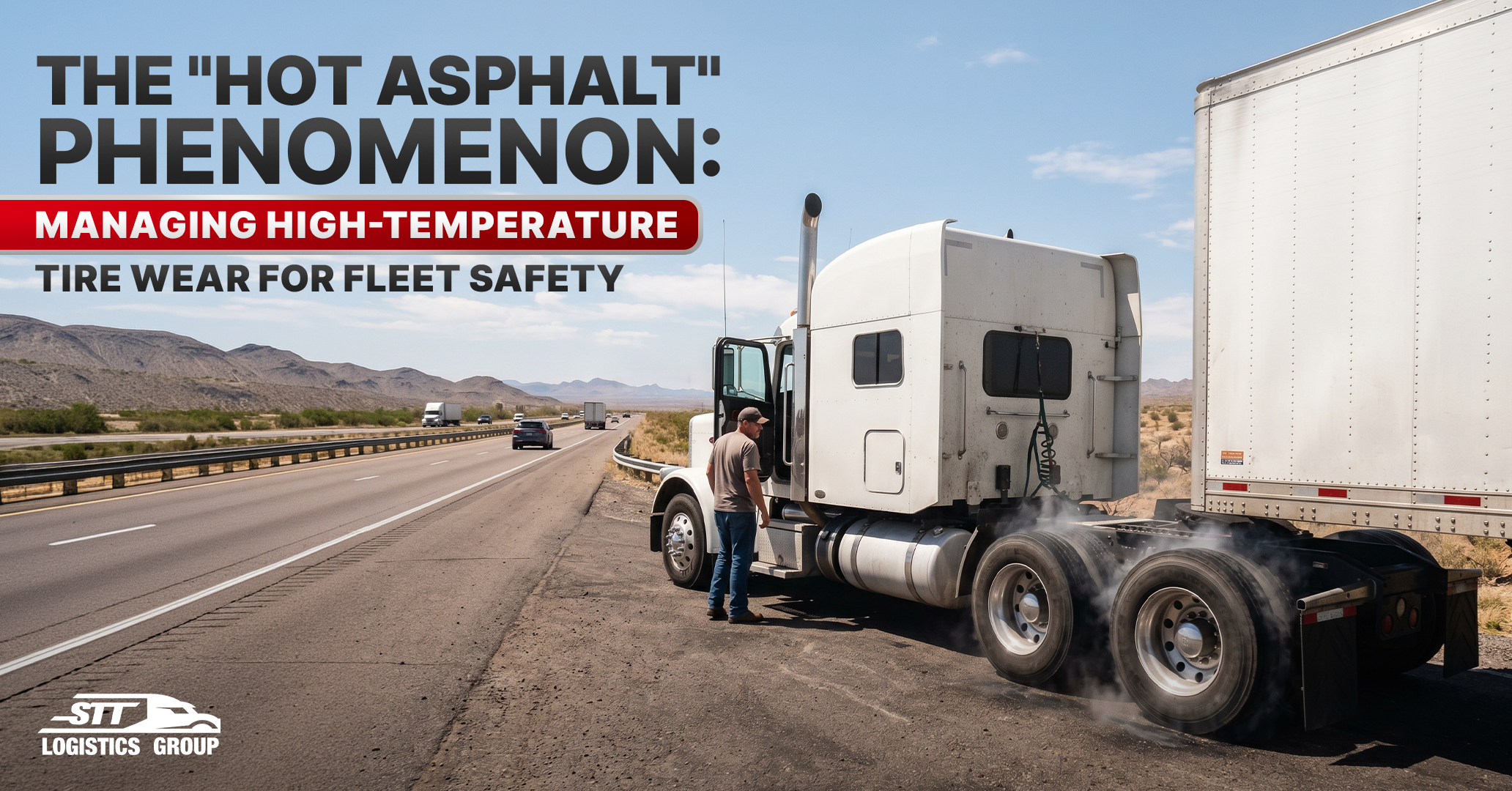

In the world of heavy-duty logistics, the road is more than just a path—it is a high-friction environment that changes with the weather. As summer temperatures soar, fleet managers face a silent but costly enemy: high-temperature tire wear. When the pavement absorbs solar radiation, the “Hot Asphalt” phenomenon begins, turning standard routes into abrasive surfaces that can compromise both your bottom line and your drivers’ safety.
The Science Behind the Heat
How exactly does heat destroy rubber? To understand this, we must look at the chemical composition of tires. Tires are engineered to operate within specific thermal ranges. However, prolonged exposure to scorching roads causes the rubber compounds to soften excessively.
Active Voice: Extreme heat accelerates the breakdown of the tire’s structural integrity.
Passive Voice: The internal bonds of the rubber are weakened by consistent thermal stress, leading to faster tread loss.
Consequently, this heat doesn’t just stay on the surface. It builds up internally, especially if the tires are under-inflated. This internal heat buildup is the primary cause of “blowouts,” which pose a significant risk to fleet safety.
The Impact on Fleet Safety and Costs
According to a study by the National Highway Traffic Safety Administration (NHTSA), tire-related crashes are a significant concern, and heat is a major catalyst. Research indicates that tire aging and degradation are significantly accelerated in warmer climates. You can review their comprehensive data on tire safety and failure rates at the NHTSA Official Website.
The effects of high-temperature tire wear include:
- Increased Braking Distance: Softened rubber may reduce the effective grip during emergency maneuvers.
- Irregular Wear Patterns: Heat causes uneven expansion, leading to cupping or “feathering” of the tread.
- Higher Fuel Consumption: Increased rolling resistance from overheated tires forces the engine to work harder.
Proactive Maintenance Strategies
Fortunately, your fleet can combat the effects of hot asphalt by implementing a rigorous maintenance schedule.
First, pressure checks must be performed when the tires are “cold” (before the trip starts). While it might be tempting to bleed air out of a hot tire because the pressure seems high, this is a mistake. Furthermore, drivers should be encouraged to conduct visual inspections at every rest stop to look for “heat checking” or small cracks in the sidewall.
Active Voice: Our team at STT Logistics Group recommends using nitrogen inflation for long-haul routes.
Passive Voice: Stable tire pressures are maintained more effectively by nitrogen because it migrates through tire rubber slower than oxygen.
Optimize Your Fleet Today
Don’t let the summer heat melt away your profits. At STT Logistics Group, we prioritize safety and efficiency in every mile we cover. Whether you need specialized hauling or expert logistics advice, we are here to move your business forward safely.
Contact us today to get your [FREE QUOTE] and ensure your cargo is in expert hands.
Follow us on our new page for more industry insights: @sttlogisticsgroup