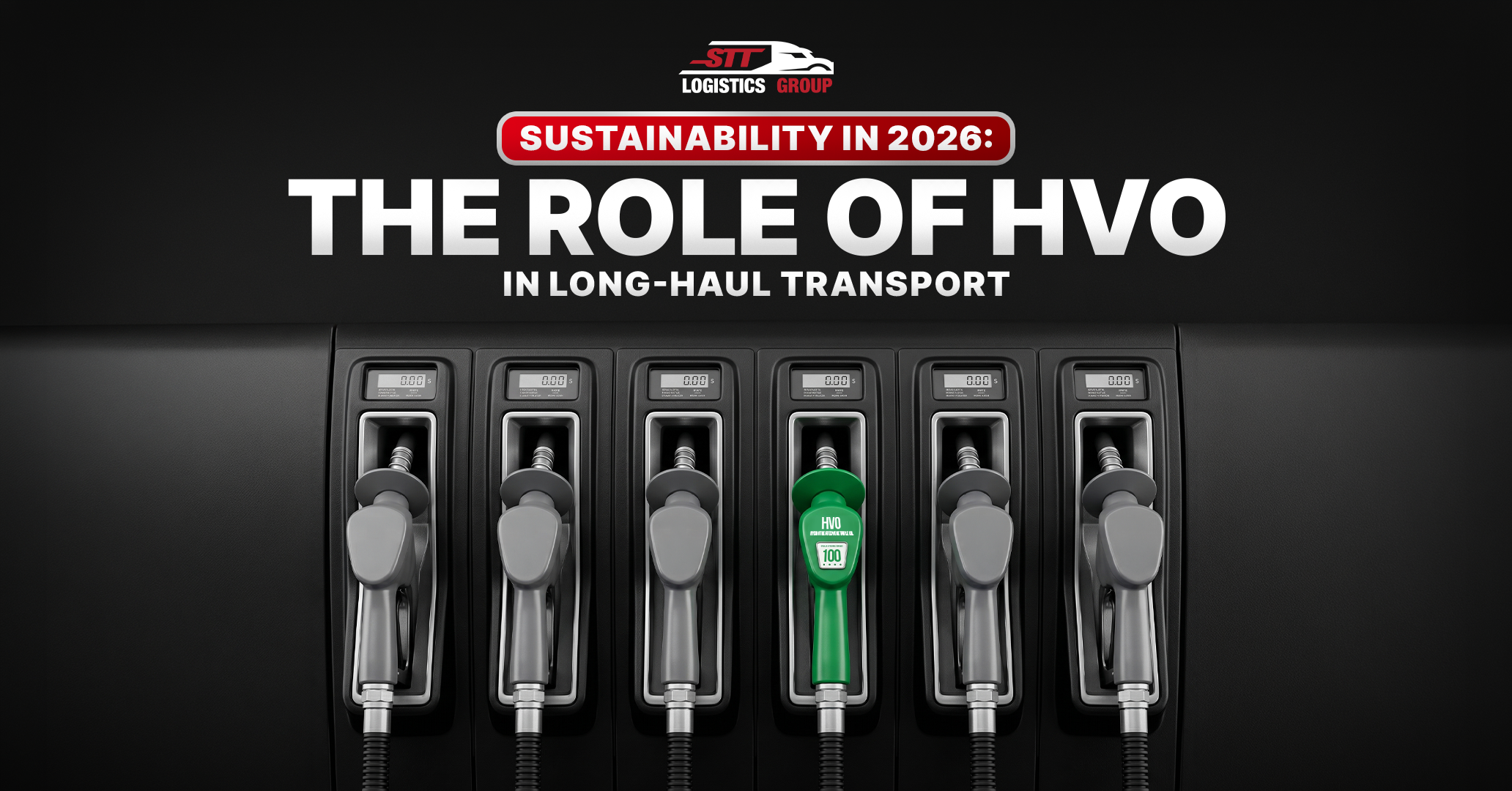

As we move through 2026, the logistics industry faces a pivotal turning point. The global demand for sustainability in 2026 has pushed companies to look beyond traditional fossil fuels. While electric trucks are gaining traction, the immediate solution for heavy-duty, cross-country logistics lies in Hydrotreated Vegetable Oil (HVO).
Why HVO is the Key to Sustainability in 2026
HVO, often referred to as “renewable diesel,” is a paraffinic bio-based liquid fuel. Unlike traditional biodiesel, it is a “drop-in” fuel, meaning it requires no engine modifications. Consequently, sustainability in 2026 is being fast-tracked by fleets that cannot yet afford a total transition to electric or hydrogen infrastructure.
Sustainable practices are no longer optional. Logistics providers are now expected to reduce their carbon footprint by clients and regulators alike. By switching to HVO, a truck’s lifecycle $CO_2$ emissions can be slashed significantly without sacrificing horsepower or range.
Real-World Impact: The Data Behind the Shift
The transition toward sustainability in 2026 is backed by impressive results. According to a recent study published in the Research Archive of Rising Scholars, HVO fuel has demonstrated an average emission reduction of 83% in real-life logistics operations, such as those used in Formula One’s European cargo transport. This reduction proves that high-performance, long-haul logistics can coexist with aggressive environmental goals.
Key Benefits of HVO for Long-Haul Trucking
To achieve sustainability in 2026, logistics companies are prioritizing the following HVO advantages:
- Seamless Integration: No expensive engine retrofits are needed for modern diesel engines.
- Performance in Extremes: HVO has a high cetane number and performs better in cold weather than standard biodiesel.
- Cleaner Air: In addition to carbon savings, HVO reduces particulate matter by up to 30-85% according to industry reports.
Did you know? HVO is chemically identical to fossil diesel, but it is produced from 100% renewable waste materials like used cooking oil and animal fats.
STT Logistics Group: Leading the Green Revolution
At STT Logistics Group, we recognize that the path to sustainability in 2026 involves making smart, scalable choices today. We are committed to optimizing supply chains and supporting the shift toward cleaner energy sources. Whether you are shipping oversized machinery or managing a full fleet, our coordination center ensures your cargo moves efficiently and responsibly.
The logistics landscape is changing rapidly, and we are here to help you navigate it. By choosing partners who value sustainability in 2026, you aren’t just moving freight—you are moving the world toward a cleaner future.
Ready to Go Green?
Are you looking for a logistics partner that balances efficiency with environmental responsibility? STT Logistics Group is ready to handle your most complex shipping needs.
- Get Your Free Quote: Contact Us Today to start your next shipment.
- Stay Updated: Follow us on our brand new page @sttlogisticsgroup for the latest industry insights and green logistics updates!