

Moving a drilling rig over land is one of the most complex engineering challenges in the oil and gas sector. When operators transition from one wellpad to another, delays cost thousands of dollars per hour. Therefore, mastering land rig rig move protocols is essential for maintaining operational safety, minimizing downtime, and protecting high-value heavy machinery.
At STT Logistics Group, specialized heavy-haul logistics are executed with precision to ensure your oilfield equipment arrives safely and on schedule.
Phase 1: Pre-Move Planning and Site Inspections
Before any heavy machinery is touched, thorough planning must take place. Logistics teams evaluate route conditions, bridge weight capacities, and overhead obstructions. In addition, engineers prepare site layouts at the destination to streamline the unloading process.
Detailed route surveys are conducted prior to departure because unexpected road hazards can derail strict timelines. Consequently, proper permitting is secured early to avoid costly regulatory delays.
Phase 2: Systematic Rig Dismantling (Rig Down)
Dismantling a drilling rig requires a meticulous sequence to ensure structural integrity and crew safety throughout the process. Heavy components—such as the mast, substructure, mud pumps, and power generation units—are systematically disassembled.
- Power Off and Bleed Lines: Electrical systems are disconnected, and hydraulic or pneumatic lines are safely bled.
- Mast Lowering: The rig mast is lowered using hydraulic cylinders or drawworks with continuous tension monitoring.
- Substructure Breakdown: The substructure is unbolted and divided into transportable modules.
Furthermore, precision labeling is applied to every piece of equipment during rig down. As a result, the subsequent reassembly at the new wellsite is completed much faster.
Phase 3: Heavy Transport and Heavy-Haul Execution
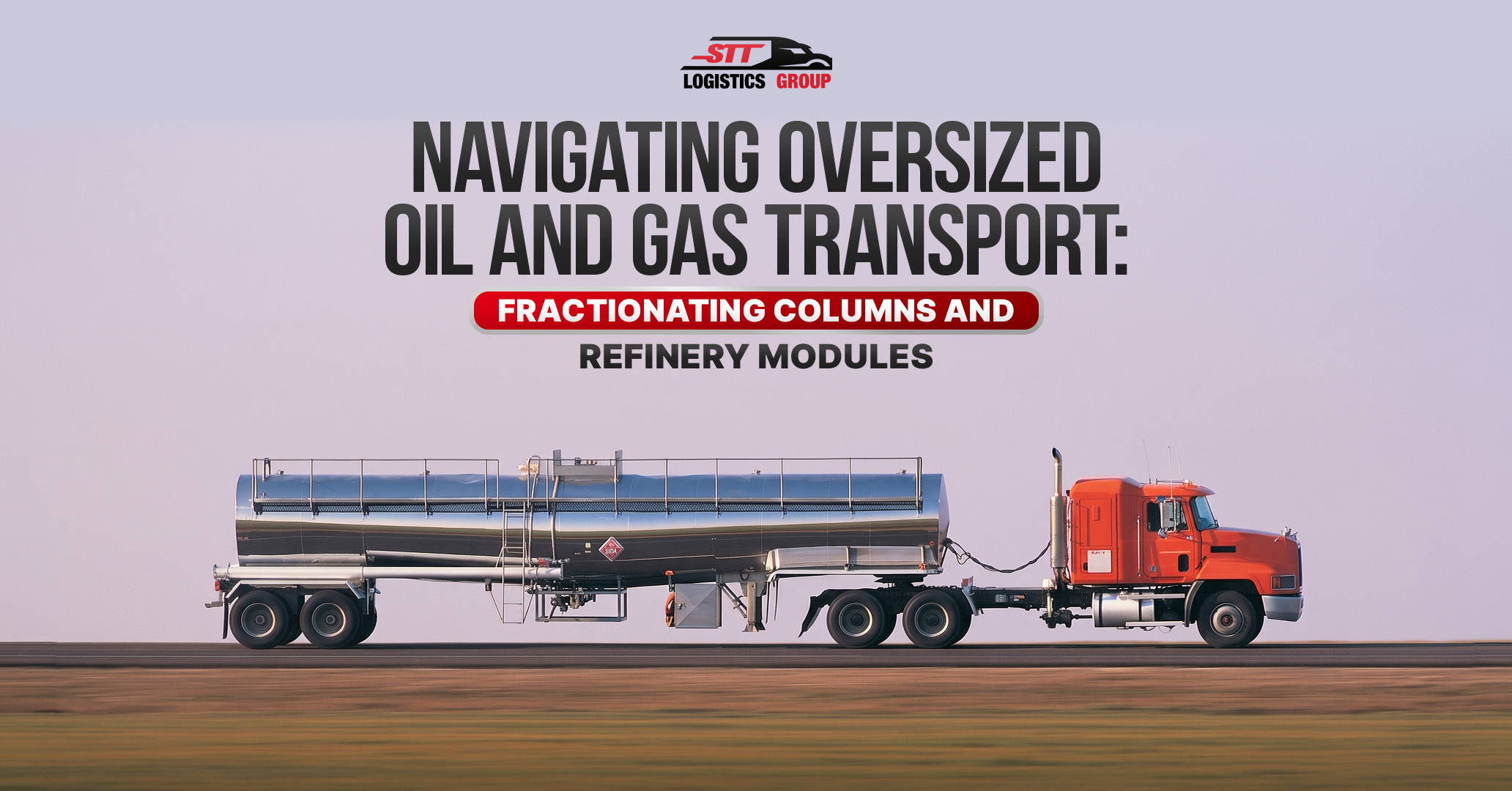
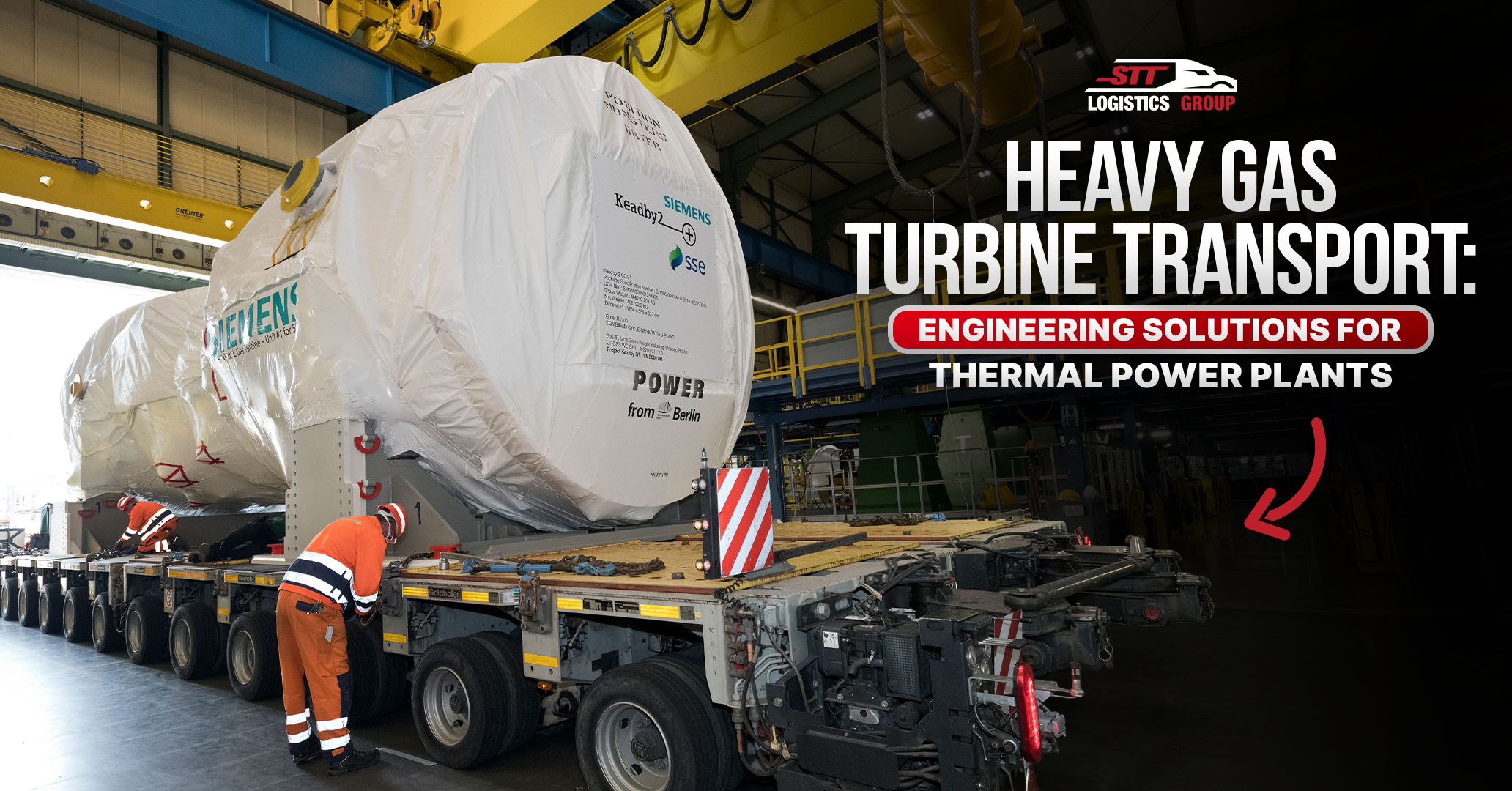
Once components are dismantled, specialized heavy-transport vehicles take center stage. Oversized loads require multi-axle trailers, lowboys, and specialized rig-up trucks (gin pole trucks) to distribute weight effectively.
Efficient logistics directly impact the bottom line in heavy energy operations. According to industry analysis by Precedence Research, the global oilfield services market was valued at over $140 billion, driven heavily by demand for specialized transport, maintenance, and operational efficiency in onshore drilling.
During transit, real-time GPS tracking is utilized to monitor convoy speeds and route progress. Transitioning between public highways and rugged lease roads is managed smoothly by experienced heavy-haul drivers who understand the unique dynamics of oilfield freight.
Phase 4: Rig Assembly and Wellsite Delivery (Rig Up)
Upon arrival at the target location, the process is reversed. Components are offloaded in strict reverse order of their arrival. Heavy cranes position the substructure, the mud systems are reconnected, and the mast is raised back into place.
Finally, comprehensive safety checks are conducted by certified technicians before power is restored. When structured land rig rig move protocols are followed from start to finish, operational risks are mitigated, and drilling operations resume seamlessly.
Streamline Your Heavy Equipment Logistics with STT Logistics Group
Do not let complex rig moves slow down your production schedules. Partner with heavy-haul experts who prioritize safety, speed, and precision.
Ready to move your next rig? Contact us today for a FREE quote and let our specialized team handle your heavy component transport seamlessly.
Don’t forget to follow our new official page @sttlogisticsgroup for industry insights, project updates, and heavy transport solutions!