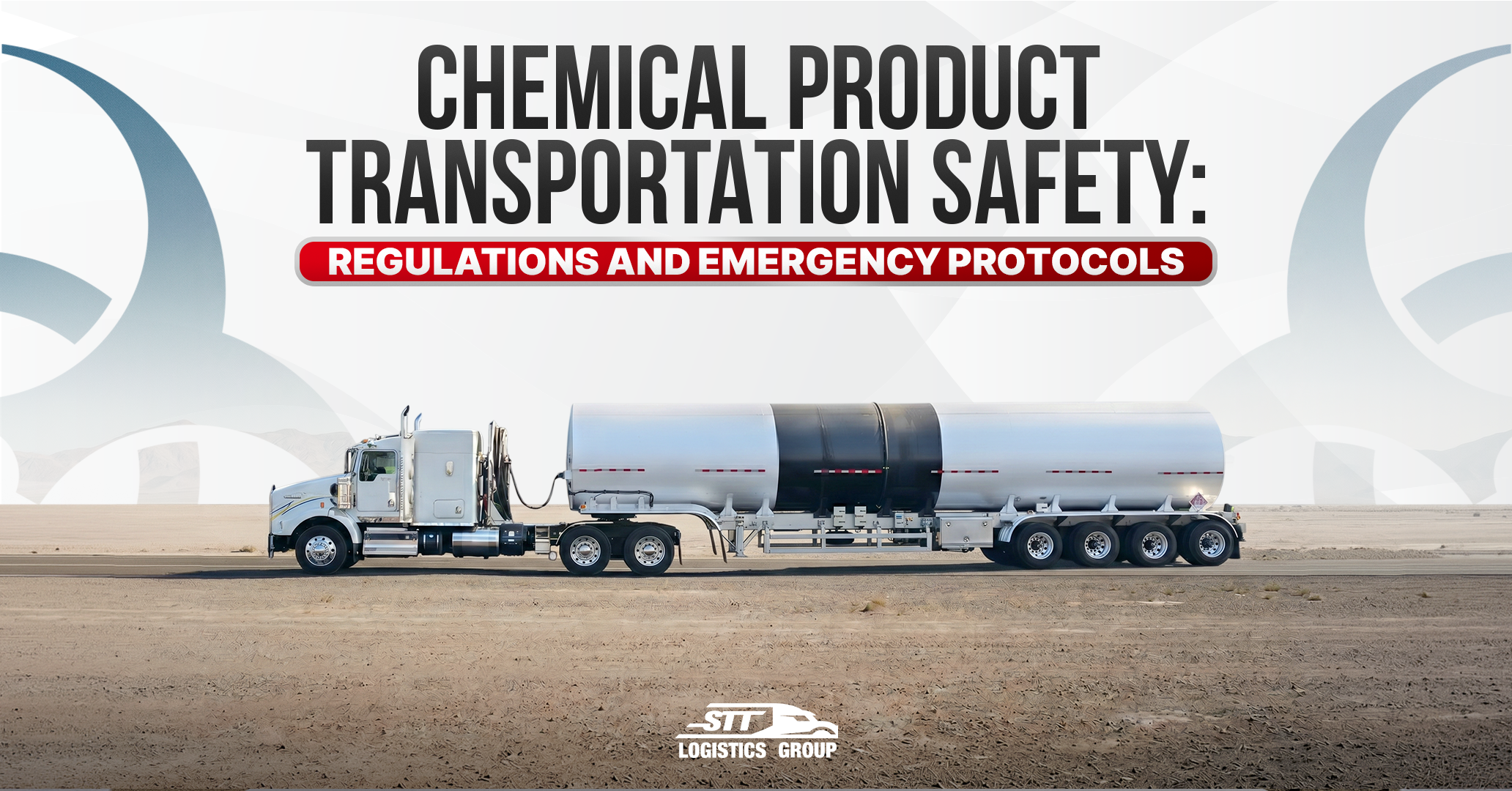

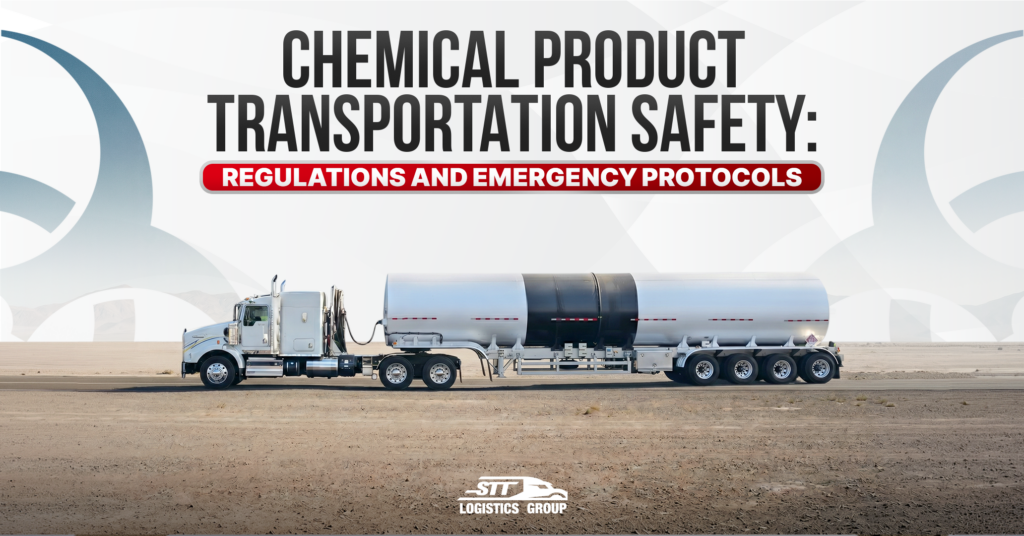
Shipping hazardous materials is not a standard logistics task; it is a high-stakes operation that requires precision, compliance, and deep expertise. Whether you are moving industrial solvents or specialized fertilizers, understanding chemical product transportation safety is the cornerstone of protecting your business, the environment, and public safety.
The Regulatory Landscape
In the world of logistics, safety starts with strict adherence to legal frameworks. Globally, the transportation of dangerous goods is governed by the UN Model Regulations, which provide a harmonized system for classifying and labeling chemicals.
In the United States, the Department of Transportation (DOT) enforces Title 49 of the Code of Federal Regulations (49 CFR). These rules are strictly followed by reputable carriers to ensure that every shipment meets rigorous standards. According to a recent report by the Bureau of Transportation Statistics, hazardous materials shipments account for over $1.1 trillion in value annually within the U.S. economy (Source: BTS.gov). This massive volume highlights why maintaining chemical product transportation safety is a critical priority for the entire supply chain.
Essential Emergency Protocols
Even with the best preparations, logistics providers must be ready for the unexpected. A robust safety plan is divided into active prevention and reactive protocols:
- Classification and Labeling: Every chemical is categorized into one of nine hazard classes. Proper placards must be displayed on the vehicle so that emergency responders can identify the risks immediately.
- Containment Systems: High-quality packaging is used to prevent leaks. These containers are inspected regularly to maintain structural integrity.
- The Emergency Response Plan (ERP): If an incident occurs, a predetermined protocol is triggered. Drivers are trained to isolate the area, notify authorities, and consult the Emergency Response Guidebook (ERG).
Why Expertise Matters
While active measures like driver training are implemented by the carrier, passive safety features—such as specialized tank construction—are equally vital. Chemical product transportation safety is achieved when these two elements work in harmony.
Furthermore, documentation such as the Safety Data Sheet (SDS) must be accessible at all times. If the paperwork is incomplete, the entire shipment can be delayed or penalized, leading to significant financial losses. Consequently, partnering with a logistics expert ensures that your cargo is handled with the necessary technical care.
Secure Your Shipment Today
At STT Logistics Group, we don’t just move freight; we provide peace of mind through rigorous safety standards and industry-leading expertise.
Ready to streamline your hazardous cargo logistics? Contact us now for your FREE QUOTE!
Don’t forget to stay updated on the latest industry trends by following us on our new page: @sttlogisticsgroup