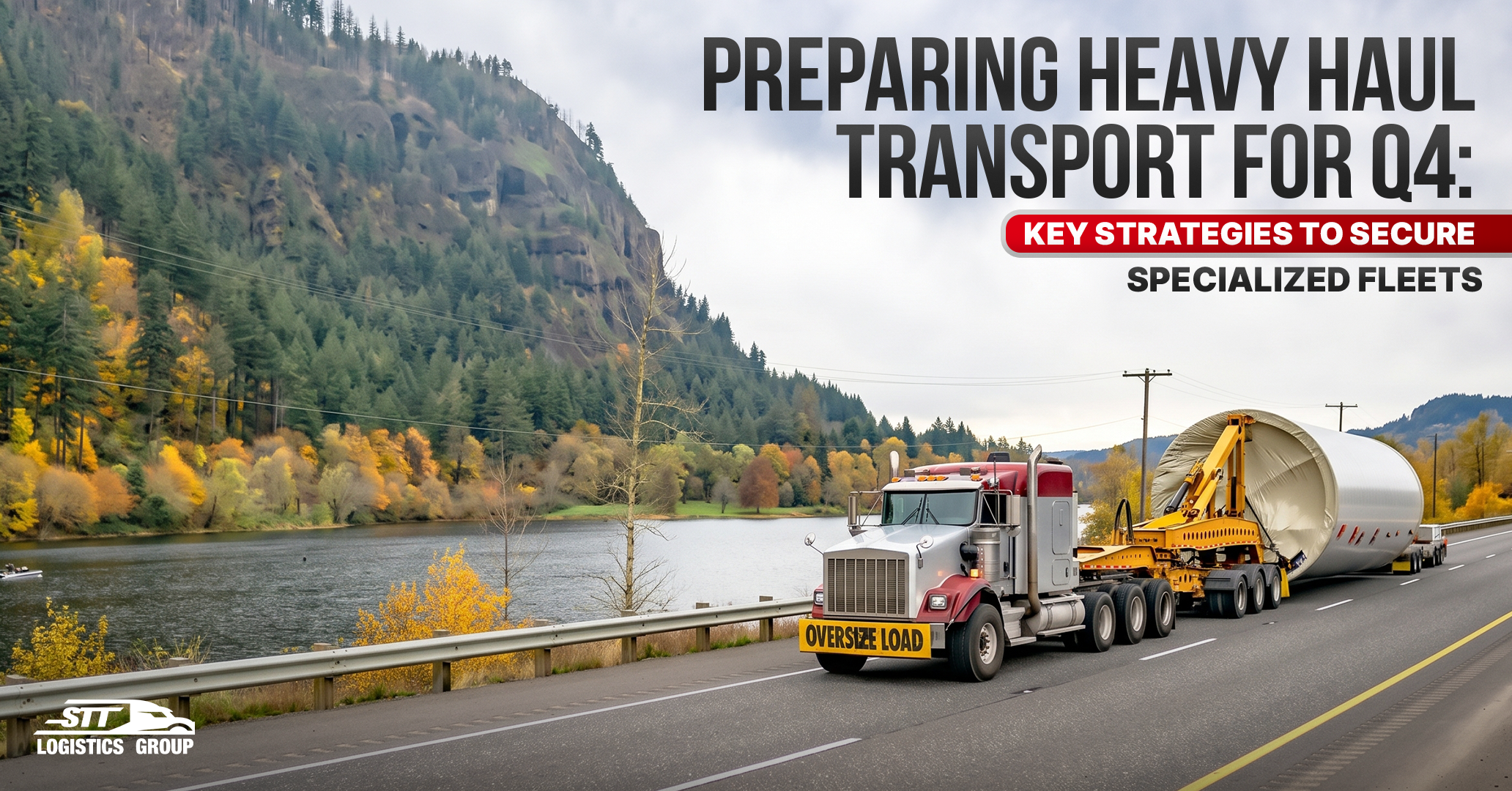
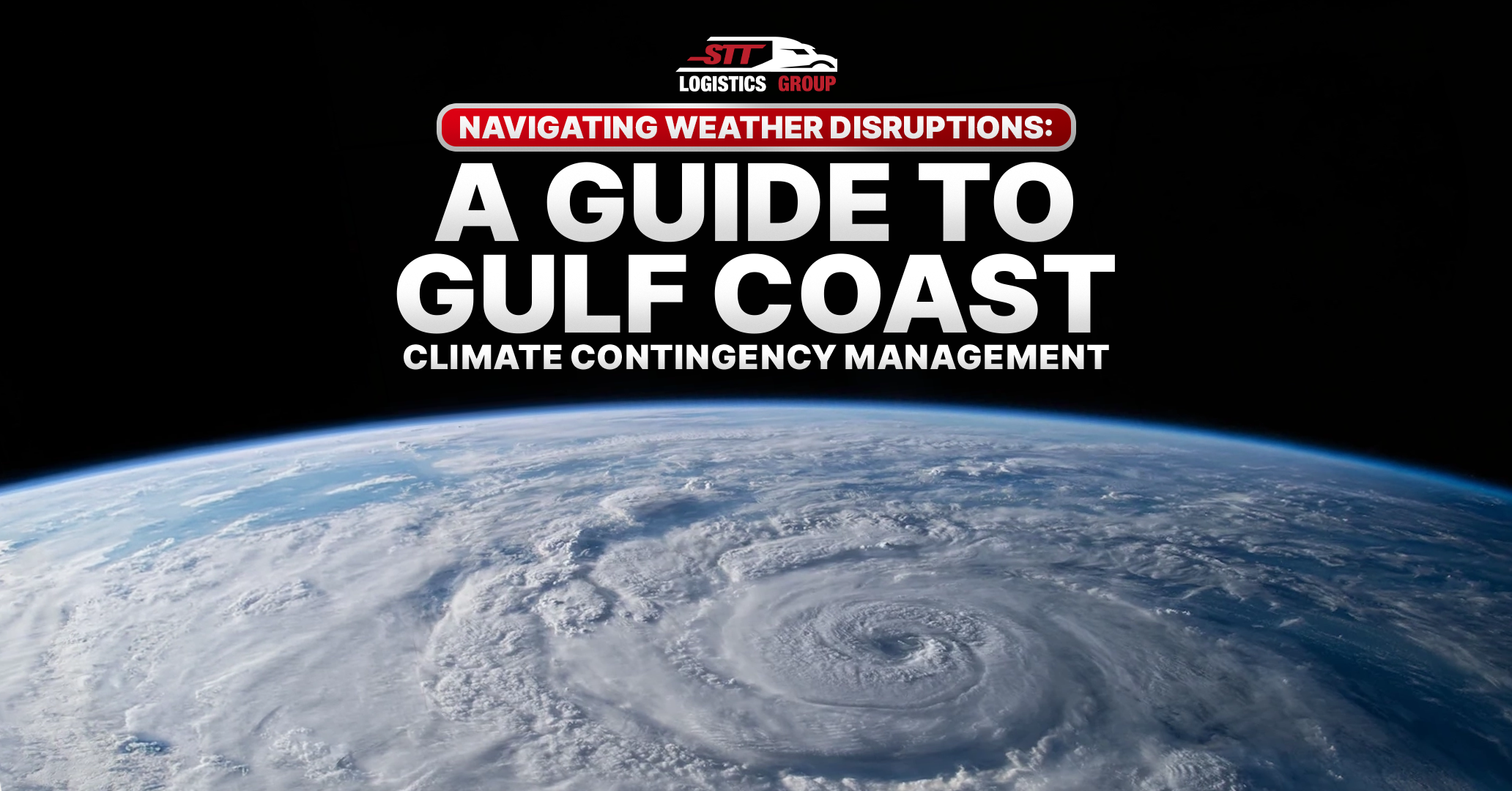

August is traditionally recognized as the ramp-up month for severe Atlantic weather. Heavy rainstorms, tropical depressions, and sudden hurricanes frequently threaten key shipping corridors throughout the U.S. Gulf Coast. When unpredictable weather conditions strike coastal routes, traditional supply chain schedules can collapse overnight. Consequently, executing effective Gulf Coast climate contingency management becomes essential for cargo owners and logistics managers.
The True Cost of Severe Weather on Gulf Shipping
Coastal freight operations face significant vulnerabilities every summer. According to a landmark supply chain resilience study by Pinkerton, supply chain risk is up to 75% higher in coastal regions than in inland areas. Furthermore, catastrophic storms frequently trigger port shutdowns, fuel price spikes, and severe chassis shortages across key logistics hubs.
For example, when major hurricanes sweep through the region, freight loads can drop by 10% almost instantly while spot rates spike due to reduced capacity. Because unpredictable weather creates cascading delays into the American interior, proactive logistics planning must be treated as a business imperative rather than an after-thought.
Key Pillars of Gulf Coast Climate Contingency Management
To safeguard cargo against extreme weather along the Gulf Coast, robust operational protocols are systematically deployed by experienced logistics providers.
1. Dynamic Dynamic Route Optimization & Monitoring
Standard transit routes are often rendered impassable by torrential rainfall and flash flooding. Therefore, real-time GPS tracking and weather telemetry are utilized to monitor active haul corridors continuously. When a storm trajectory shifts, cargo is immediately rerouted through safer inland highways before drivers enter high-risk storm cells.
2. Pre-Positioned Inventory and Staging
Proactive staging prevents goods from becoming stranded at impacted port terminals. Consequently, high-priority shipments are moved to secure inland warehouses prior to storm landfalls. By securing capacity early, transit delays are substantially minimized.
3. Flexible Carrier Networks & Multimodal Backups
Over-the-road trucking lines often experience severe bottlenecks during evacuation mandates. Therefore, flexible carrier networks are leveraged to pivot between flatbeds, dry vans, and intermodal rail options depending on regional road closures.
How STT Logistics Group Protects Your Freight
At STT Logistics Group, we recognize that supply chain resilience cannot be left to chance. Comprehensive Gulf Coast climate contingency management strategies are tailored to protect your high-value freight from unpredictable disruptions.
Our specialized teams actively monitor atmospheric conditions, manage detour routes, and secure vetted equipment when market capacity tightens. Furthermore, complete operational visibility is provided to our clients at every stage of shipment movement.
Key Takeaway: Unplanned weather delays cost shippers millions annually. Partnering with a dedicated logistics specialist ensures your supply chain stays agile, compliant, and operational—no matter the weather forecast.
Secure Your Supply Chain Today
Don’t let seasonal storms derail your operational deadlines. Contact STT Logistics Group today to speak with our freight specialists and receive a free quote tailored to your freight profile.
In addition, stay informed on freight trends, severe weather alerts, and supply chain strategies by following our new official social media page: @sttlogisticsgroup.