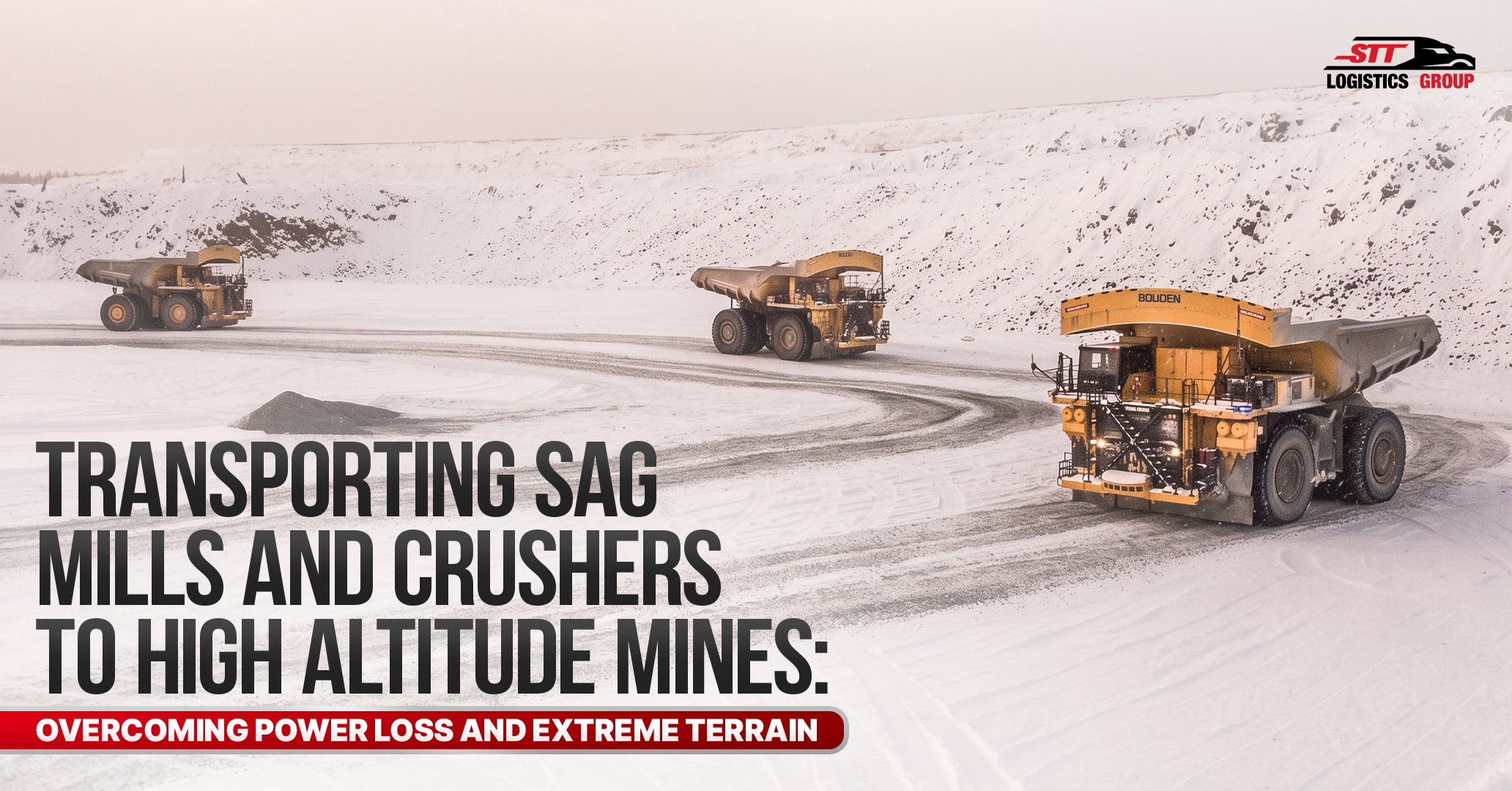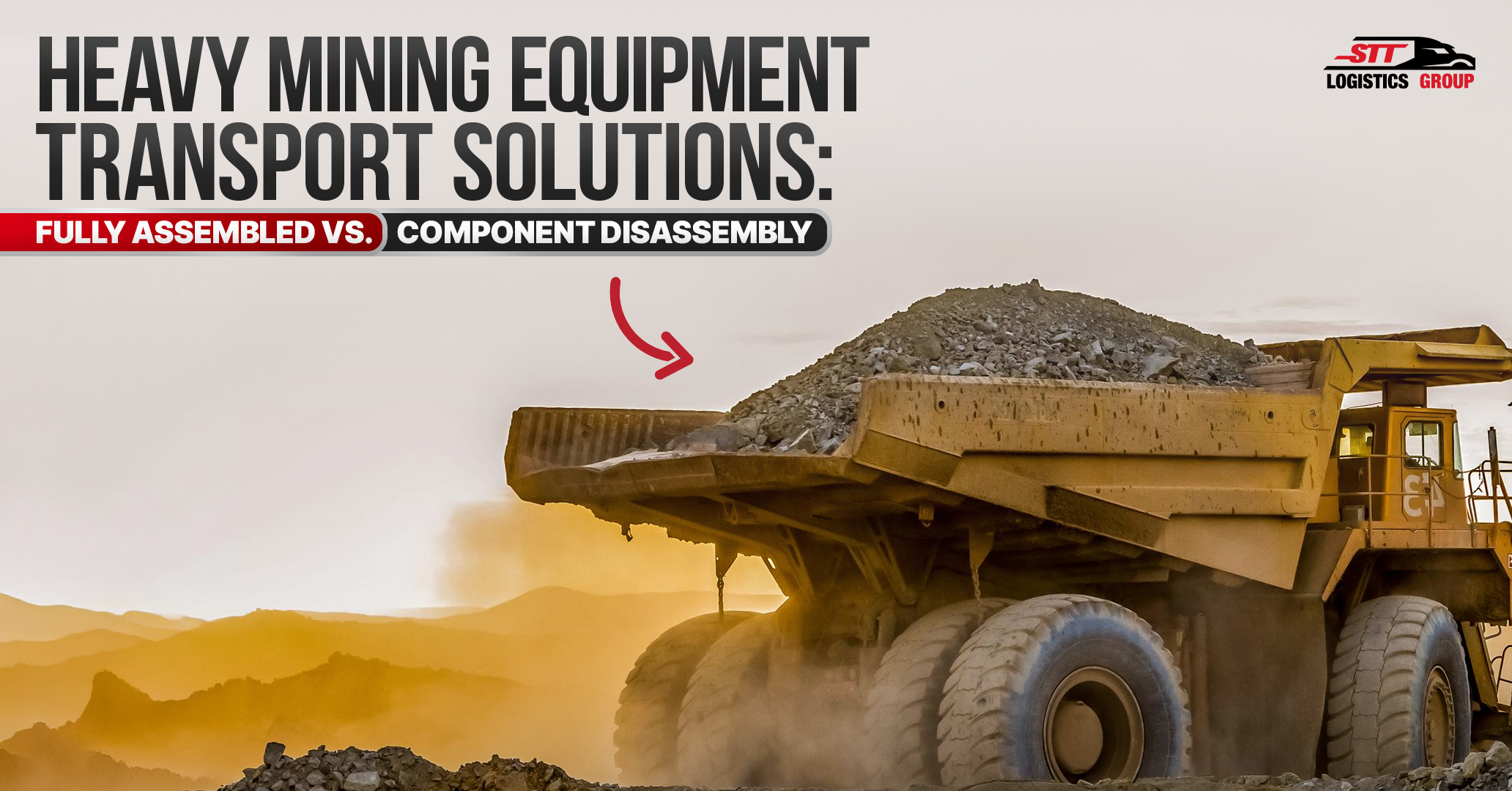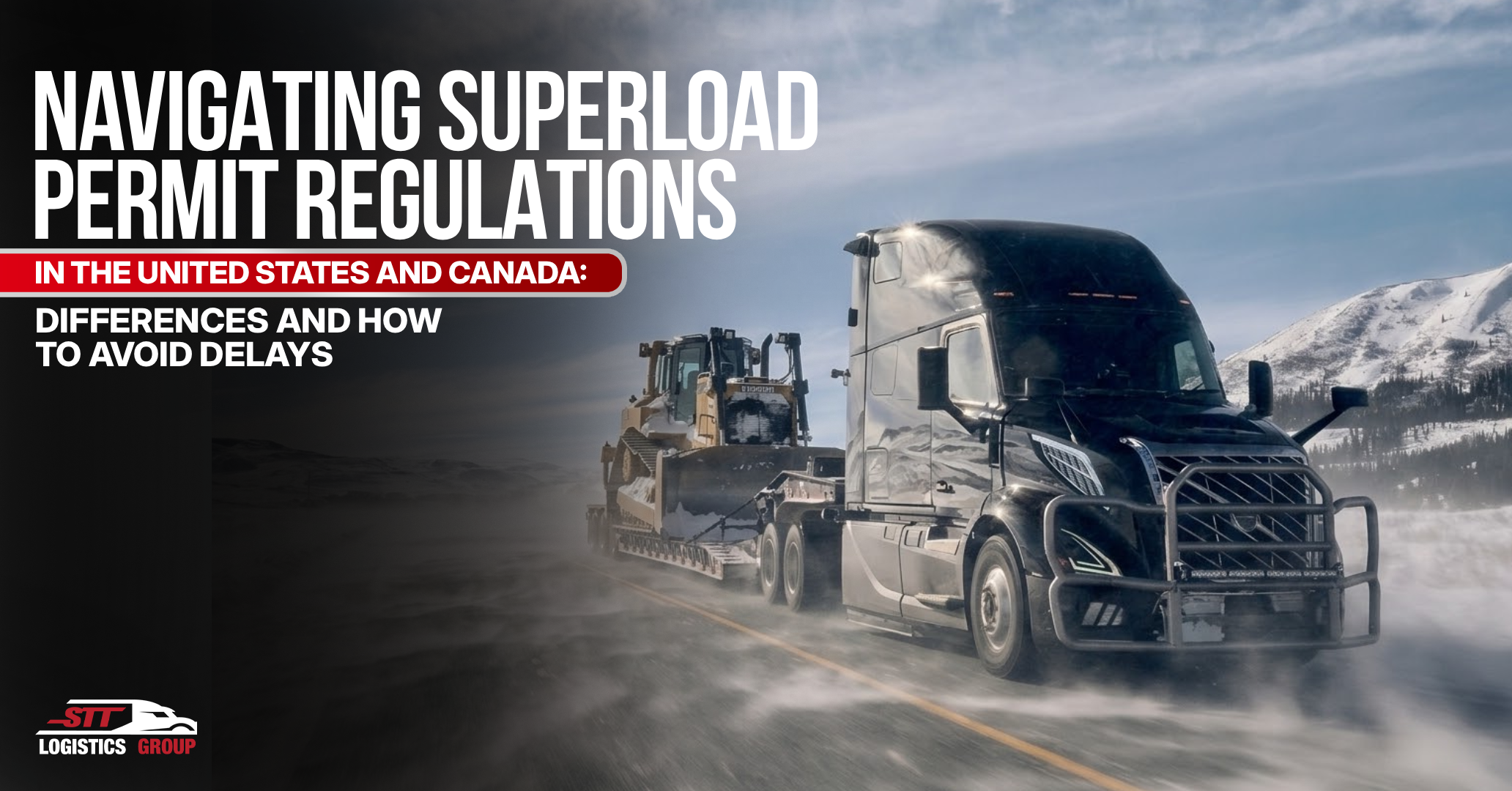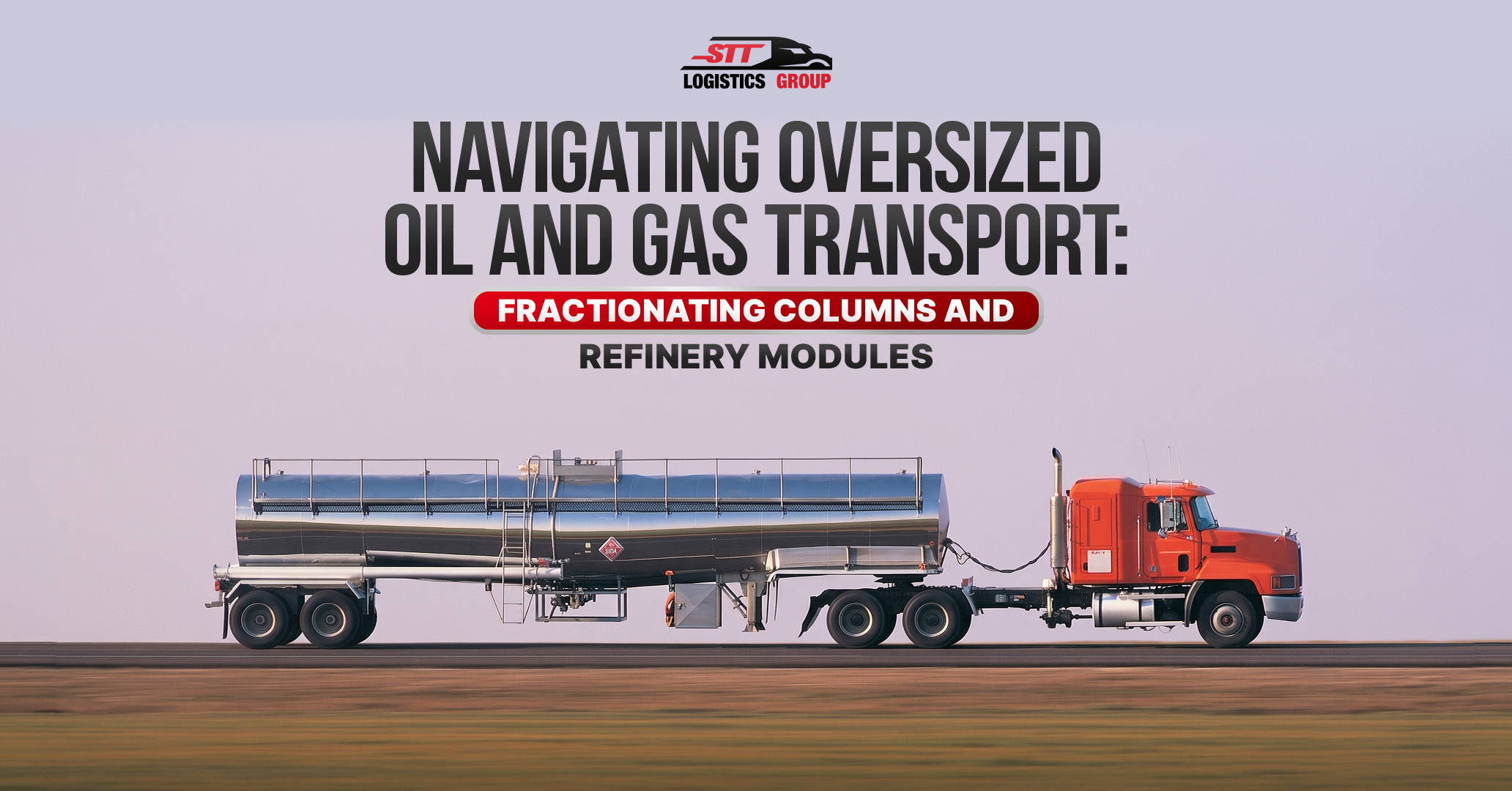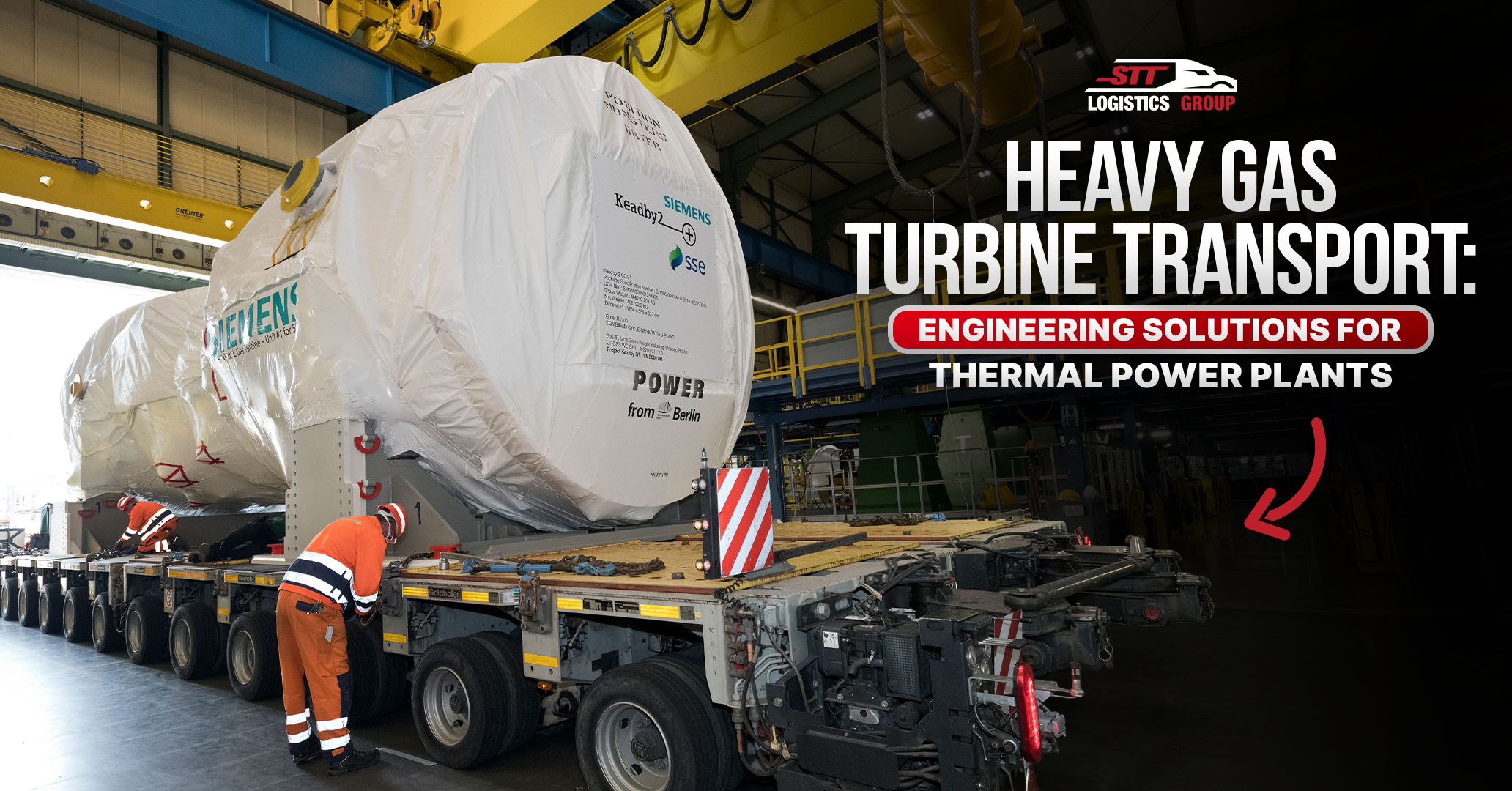


With the arrival of February,the logistics industry faces one of its most deceptive challenges: the early thaw. While rising temperatures may seem like a relief after a harsh winter, they often transform secondary roads and unpaved access points into unstable mud traps. For 100-ton convoys carrying project-critical machinery, these conditions are more than just an inconvenience—they are a high-risk liability. To navigate these “last mile” hurdles, specialized heavy haul route engineering must be prioritized to ensure that cargo arrives safely without sinking into the landscape.
The Science of Soil Bearing Capacity
When the ground begins to thaw, moisture becomes trapped between the melting surface and the still-frozen subsoil. Consequently, the soil’s bearing capacity—its ability to support the weight of a heavy vehicle—drastically decreases. During this period, standard gravel or dirt roads that were once solid can suddenly behave like fluid under pressure.
Admittedly, even the most experienced drivers cannot gauge soil stability by sight alone. Therefore, technical evaluations are performed by our logistics team to determine if a path can sustain the massive Point Pressure exerted by oversized trailers. Without rigorous heavy haul route engineering, a multi-million dollar piece of equipment can become immobilized in minutes, leading to astronomical recovery costs and project shutdowns.
Why the Spring Thaw is a “Red Zone” for Logistics
The risks associated with seasonal changes are documented by transportation authorities across North America. According to the Minnesota Department of Transportation (MnDOT), road pavement and soil strength can drop by as much as 60% during the spring thaw. This massive reduction in structural integrity is why many states and provinces implement “Spring Load Restrictions” (SLR) on secondary routes.
In addition, while these restrictions are strictly enforced by local authorities, STT Logistics Group goes a step further. We utilize advanced geotechnical data to map “hidden” risks. While a road might legally be open, our heavy haul route engineering protocols may flag it as unsafe based on the specific PSI (pounds per square inch) of your cargo’s footprint.
How STT Engineering Prevents “The Sink”
To maintain our industry-leading safety standards, a balanced approach between physical inspection and digital modeling is maintained. On one hand, digital simulations are used to calculate weight distribution across multi-axle trailers. On the other hand, our field scouts often conduct physical ground-penetrating assessments for the most critical delivery points.
Furthermore, the following steps are integrated into our planning:
- Ground Pressure Optimization: We utilize specialized trailers with higher axle counts to spread the load further.
- Alternative Matting Solutions: If the terrain is deemed unstable, temporary structural matting is deployed to create a solid platform.
- Dynamic Rerouting: If the thaw progresses faster than predicted, the convoy is immediately rerouted to higher-capacity pavement through our heavy haul route engineering software.
Ultimately, your machinery represents a massive investment that cannot be left to chance. By meticulously analyzing soil conditions and structural limits, STT ensures that your project keeps moving, regardless of the weather.
Secure Your Move Today
Don’t let unstable ground stall your progress. Whether you are dealing with mountain passes or rural construction sites, our team is ready to engineer your success.
📩 Contact us today for your FREE QUOTE and let the experts handle the heavy lifting!
📞 Direct Line: 786 709 9664
Join our community!
Stay updated on the latest logistics technology and project highlights by following our brand-new page: @sttlogisticsgroup 🚀