
In the modern supply chain landscape, choosing the right transportation mode is not just a logistical decision; it is a financial one. As global markets fluctuate, businesses are forced to re-evaluate their shipping strategies to maintain healthy margins. Specifically, understanding LTL vs FTL cost-efficiency has become paramount for shippers looking to mitigate the impact of rising operational costs.
Understanding the Basics: LTL and FTL
Before diving into the financial nuances, we must define the two heavyweights of inland freight:
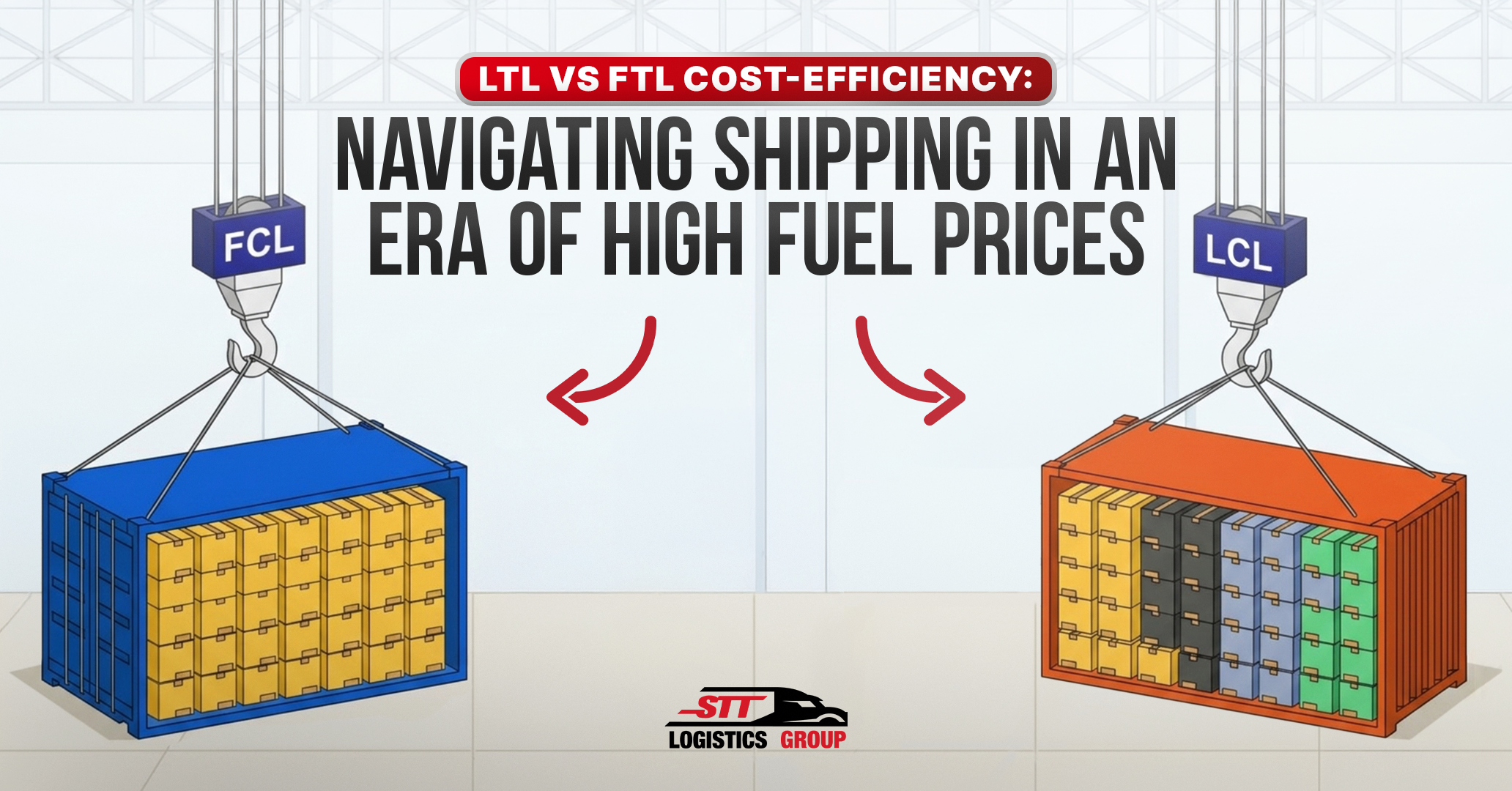
- Less Than Truckload (LTL): This method is used for shipments that do not require a full 48- or 53-foot trailer. Multiple shippers share space on a single truck, paying only for the portion they use.
- Full Truckload (FTL): A single shipment occupies the entire trailer. This method is typically reserved for large volumes or time-sensitive freight that requires a direct route.
The Impact of Current Fuel Prices
Fuel remains one of the most volatile expenses in logistics. Currently, the industry is seeing significant pressure; for instance, according to the U.S. Energy Information Administration (EIA), diesel prices often experience sharp regional spikes that directly translate into “fuel surcharges” on your freight bill.
When fuel prices rise, FTL carriers must pass those costs directly to the single shipper. Conversely, in an LTL model, the fuel surcharge is distributed among multiple clients. Therefore, LTL vs FTL cost-efficiency often swings in favor of LTL for smaller, densest shipments during periods of energy inflation.
Active vs. Passive Efficiency: A Balanced Approach
To optimize your budget, a balanced perspective is required. Proactive shippers analyze their data weekly to decide which mode fits their current volume (Active Voice). On the other hand, freight spend is often reduced when companies consolidate smaller orders into a single LTL shipment rather than rushing half-empty FTL trailers (Passive Voice).
While FTL offers faster transit times and less handling, LTL provides a flexible safety net. Strategic decisions are made by logistics managers to avoid the “deadhead” costs associated with underutilized equipment (Passive Voice). Simultaneously, STT Logistics Group leverages advanced routing software to ensure every cubic foot of space is maximized (Active Voice).
Key Factors for Comparison
| Feature | LTL (Less Than Truckload) | FTL (Full Truckload) |
| Cost Basis | Pay per pallet/space | Pay for the whole truck |
| Fuel Impact | Shared among shippers | Borne by one shipper |
| Handling | Multiple touchpoints | Minimal handling |
| Best For | 1–6 pallets | 12+ pallets or fragile goods |
Transitioning to a Smarter Strategy
Moreover, businesses must consider that “cheaper” does not always mean “more profitable.” If an LTL shipment is delayed and causes a factory shutdown, the saved freight cost is quickly eclipsed by production losses. However, if your timeline is flexible, the LTL vs FTL cost-efficiency ratio leans heavily toward LTL, allowing you to bypass the premium price of a dedicated truck.
In addition to cost, sustainability is becoming a deciding factor. Because LTL maximizes trailer utilization, it effectively reduces the carbon footprint per ton-mile. Consequently, you are not only saving money but also meeting corporate social responsibility goals.
Ready to Optimize Your Freight?
Don’t let fluctuating fuel prices eat into your profits. At STT Logistics Group, we specialize in finding the perfect balance between speed and savings. Whether you need the agility of LTL or the capacity of FTL, our experts are here to guide you.
Contact us today to receive your [FREE QUOTE] and start saving!
Follow us on our new page for more industry insights: @sttlogisticsgroup